
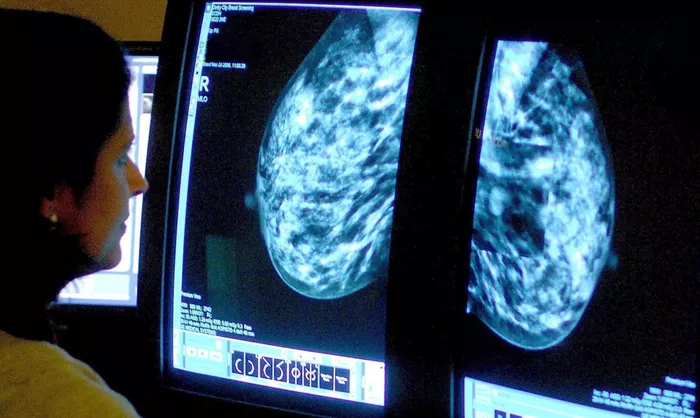
Breast cancer remains the leading cancer diagnosed in Jamaica, with more than 1,200 new cases and hundreds of deaths each year, according to the Ministry of Health and Wellness. In this context, reducing radiation-related cancer risk among health-care workers (HCWs) is a critical public-health objective aligned with national cancer-control goals. As Jamaica expands access to diagnostic imaging, interventional procedures, and radiotherapeutics, robust radiation protection and diligent staff monitoring are essential components of a comprehensive strategy to safeguard workers.
Occupational Radiation: A Dual Burden of Carcinogenic and Non-Carcinogenic Risk
For many HCWs, exposure to ionizing radiation is an inherent element of daily practice. International research suggests that chronic, low-dose occupational radiation—accumulated over years across imaging, interventional, and radiotherapy modalities—may elevate the risk of breast cancer in particular, as well as other long-term health problems. This necessitates heightened attention to dose management in settings expanding their radiological services.
Historical and contemporary studies have linked cumulative radiation dose with cancer risk. Early observations in US radiography cohorts identified a relationship between long-term exposure and breast cancer incidence, especially among women in radiography roles. More recent multinational cohorts, including INWORKS, have reported associations between prolonged exposure and overall cancer mortality, while other large studies have corroborated increased cancer incidence and mortality related to sustained radiation exposure. These findings underscore the particular vulnerability of breast tissue to ionizing radiation, with heightened sensitivity in younger individuals.
The interplay of genetic and family-history factors also shapes susceptibility. Emerging evidence indicates that women with a first-degree relative affected by breast cancer may experience greater sensitivity to radiation-related breast carcinogenesis. While the exact mechanisms require further study, these data reinforce the need for tailored risk assessment and vigilant protection for workers who may carry elevated baseline risk.
Beyond cancer, chronic radiation exposure can affect multiple organ systems. Systematic reviews and large-scale investigations have demonstrated biomarkers of DNA damage associated with genotoxic stress in HCWs exposed to ionizing radiation. Epidemiologic data link long-term exposure to an excess relative risk for a range of adverse outcomes, including cardiovascular disease, neurovascular conditions, cataracts, and neurodegenerative disorders. Taken together, the literature supports a comprehensive view: protracted low-dose radiation exposure carries both carcinogenic and non-carcinogenic health implications for HCWs throughout their careers.
Jamaica’s Radiation-Protection Framework
Jamaica has established a regulatory framework to protect patients and professionals alike. The Nuclear Safety and Radiation Protection Act (NRSPA, enacted 2015) and its accompanying Regulations (2019) are administered by the Hazardous Substances Regulatory Authority (HSRA). The HSRA’s mandate covers all facilities using ionizing radiation across sectors, setting the stage for standardized safety practices, monitoring, and oversight.
Regulatory progress in Jamaica includes a shift toward formal authorizations for facilities using ionizing radiation. The HSRA reports that just over half of such facilities are now formally authorized, reflecting ongoing efforts to align with international standards. Adherence to globally recognized safety norms is a prerequisite for meaningful international partnerships, access to aid and equipment, and participation in global supply chains.
Practical Radiation-Protection Strategies for HCWs
To reduce occupational dose and protect long-term health, several practical measures should be prioritized and implemented across radiology, interventional, and radiotherapy services:
Apply ALARA/PL (As Low as Reasonably Achievable/Practical) principles: Optimize every radiation-exposure procedure to keep doses as low as possible without compromising diagnostic or therapeutic quality.
Conduct shielding and exposure assessments: Evaluate potential exposure areas before procedures, and install appropriate shielding materials and architectural controls to minimize scatter and leakage radiation.
Enforce protective equipment use and monitoring: Ensure reliable use of lead aprons, thyroid shields, leaded glasses where appropriate, and personal dosimetry with regular review of cumulative doses.
Implement staff- and procedure-specific dose optimization: Tailor protocols for fluoroscopy time, frame rates, and imaging angles to minimize dose while preserving clinical outcomes.
Promote education and culture of safety: Provide ongoing training on radiation principles, shield usage, and dose-tracking practices; foster an organization-wide commitment to protection.
Strengthen surveillance and health monitoring: Maintain regular health surveillance for HCWs exposed to ionizing radiation, with particular attention to breast health and cardiovascular risk factors, and establish procedures for early detection and intervention.
Encourage risk-aware staffing practices: Consider individual risk factors, such as family history or young age, when feasible, to tailor monitoring intensity and protective strategies.
Conclusion
As Jamaica expands its capabilities in diagnostic imaging, interventional procedures, and radiotherapeutics, protecting HCWs from radiation-related health risks is essential for sustaining a high-quality health system. A robust regulatory framework, combined with proactive dose optimization, shielding, monitoring, and education, will help minimize both carcinogenic and non-carcinogenic risks associated with protracted radiation exposure. The ultimate goal is to ensure that healthcare workers can deliver essential care while maintaining long-term health and safety.
Related topics
