
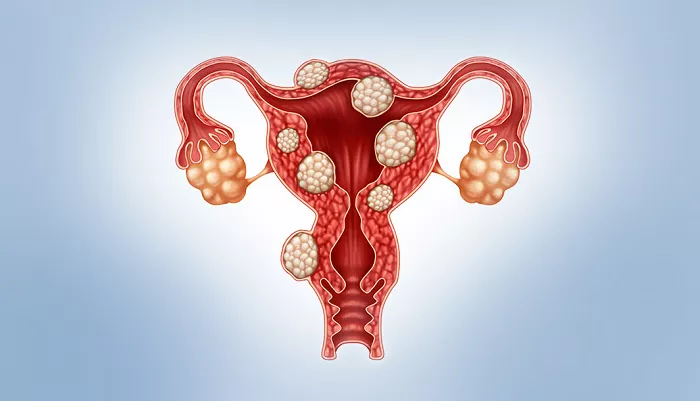
Uterine fibroids represent a common gynecological condition affecting numerous women during their reproductive years, with management approaches varying significantly based on symptom severity and individual circumstances. While many fibroids remain asymptomatic, requiring only periodic monitoring, others necessitate active intervention through medication or procedural treatments.
The decision to treat depends on multiple factors, including fibroid size and location, symptom impact on quality of life, reproductive plans, and patient preferences. Regular pelvic examinations, typically recommended annually, facilitate ongoing assessment of fibroid status and early detection of any concerning changes.
Evaluating Conservative Management and Symptom Relief Approaches
Asymptomatic or minimally symptomatic fibroids often warrant conservative management, beginning with simple comfort measures. Application of heat packs to the lower abdomen can alleviate cramping and discomfort, while over-the-counter anti-inflammatory medications like ibuprofen help manage pain episodes.
Monitoring fibroid growth through regular ultrasound examinations provides crucial information about disease progression. Lifestyle modifications, including maintaining a healthy weight and managing stress, may help mitigate symptoms, though evidence supporting specific dietary interventions remains limited. Many women find symptom tracking helpful for identifying patterns and triggers that can guide treatment discussions with healthcare providers.
Examining Pharmacological Interventions and Hormonal Therapies
Various medication options address different aspects of fibroid-related symptoms. Hormonal therapies, including certain oral contraceptives, can help regulate heavy bleeding, while gonadotropin-releasing hormone agonists induce temporary medical menopause to shrink fibroids. These agents typically serve as short-term solutions due to potential side effects like bone density loss with prolonged use.
Non-hormonal alternatives, such as antifibrinolytic medications, reduce bleeding by promoting blood clot formation without affecting hormonal balance. The levonorgestrel-releasing intrauterine device represents another effective option for controlling heavy menstrual bleeding associated with fibroids, though it doesn’t reduce fibroid size directly.
Considering Minimally Invasive Procedural Options
For women seeking fertility preservation or wishing to avoid hysterectomy, several minimally invasive procedures offer effective symptom relief. Uterine artery embolization blocks blood flow to fibroids, causing them to shrink over several months, with most women experiencing significant symptom improvement.
This procedure requires brief hospitalization and a recovery period but preserves the uterus. Endometrial ablation destroys the uterine lining, reducing heavy bleeding, though it’s generally suitable only for small submucosal fibroids and precludes future pregnancy. MRI-guided focused ultrasound therapy represents the newest non-invasive option, using targeted energy to destroy fibroid tissue without incisions.
Assessing Surgical Interventions and Their Implications
Surgical options range from fibroid removal to complete uterus excision. Myomectomy procedures excise fibroids while preserving uterine integrity, making them preferable for women desiring future pregnancy. Approaches include hysteroscopic, laparoscopic, and abdominal variations, with selection depending on fibroid characteristics.
Hysterectomy remains the definitive solution for severe symptoms when fertility preservation isn’t desired, eliminating both current fibroids and recurrence possibility. Surgical decisions should incorporate thorough discussion of benefits, risks, and long-term implications, including potential emotional aspects of uterus removal.
Navigating Treatment Decisions Based on Individual Factors
Treatment selection should reflect personalized considerations, including symptom severity, reproductive plans, and personal preferences. Asymptomatic fibroids may require only watchful waiting, while severe symptoms might justify aggressive intervention.
Shared decision-making between patients and providers ensures alignment with individual goals and values. Emerging treatments continue to expand options, offering new possibilities for managing this common condition while minimizing impact on quality of life.
Related topics:
