
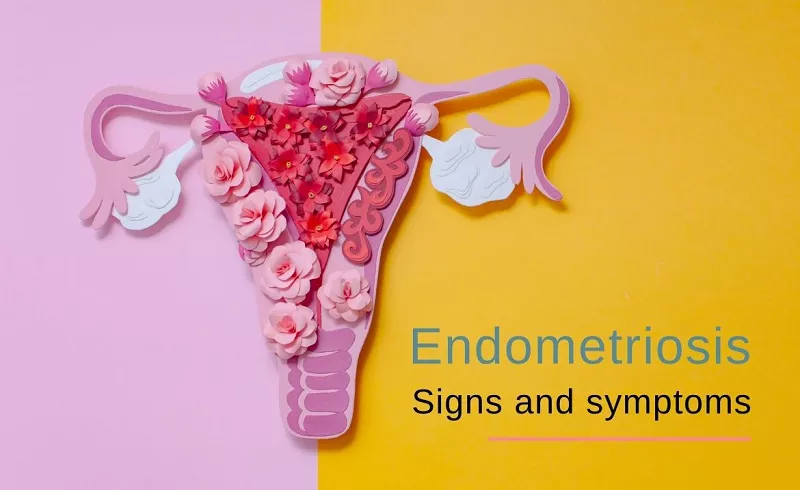
Endometriosis represents a complex gynecological condition where tissue similar to the uterine lining grows outside the uterus, causing significant pain and potential fertility challenges. This condition affects an estimated 10% of reproductive-aged women worldwide, with symptoms often beginning in adolescence and worsening over time.
The abnormal tissue growth can occur on various pelvic organs including the ovaries, fallopian tubes, bladder, and intestines, leading to inflammation, scarring, and adhesions that contribute to the characteristic pain patterns. Unlike normal menstrual cramps, endometriosis pain frequently disrupts work, social activities, and overall quality of life, prompting many women to describe it as debilitating or “killer cramps” that require comprehensive medical management.
Recognizing the Multifaceted Nature of Endometriosis Pain
The pain associated with endometriosis manifests in diverse ways depending on the location and extent of abnormal tissue growth. Pelvic and abdominal pain typically begins before menstruation and may persist for several days, often described as sharp, stabbing sensations that resist conventional pain medication.
Many patients report feeling as though their internal organs are being pulled downward, accompanied by throbbing or gnawing discomfort. Back pain occurs due to the proximity of reproductive organs to the spinal column, while leg pain results from endometrial implants affecting nerves connecting to the groin and lower extremities. Painful intercourse affects approximately 60% of women with endometriosis, creating intimacy challenges that extend beyond physical discomfort to impact emotional wellbeing and relationships.
Identifying Additional Symptoms Beyond Menstrual Pain
While pelvic pain remains the hallmark symptom, endometriosis presents with numerous other indicators that collectively suggest the condition. Abnormal menstrual patterns include excessively heavy or prolonged bleeding, intermenstrual spotting, and blood appearing in urine or stool during periods.
Gastrointestinal symptoms such as nausea, diarrhea, constipation, and bloating frequently accompany menstrual cycles, often mistaken for irritable bowel syndrome. Fatigue remains a common but overlooked symptom, resulting from chronic pain, inflammation, and potential iron-deficiency anemia due to heavy bleeding. Some women also experience exacerbated allergy symptoms around their periods, suggesting connections between endometriosis and immune system functioning that researchers continue to investigate.
Understanding the Connection Between Endometriosis and Infertility
Endometriosis significantly impacts fertility through multiple mechanisms that can complicate conception. Scar tissue and adhesions may distort pelvic anatomy, obstructing the fallopian tubes and preventing egg-sperm meeting. Inflammation creates a hostile environment for both eggs and sperm, while hormonal imbalances can impair ovulation and endometrial receptivity.
The condition may also affect egg quality and implantation processes, reducing pregnancy chances even when fertilization occurs. Surgical intervention to remove endometrial growths can improve fertility outcomes for some women, while others may require assisted reproductive technologies like in vitro fertilization. Early diagnosis and treatment potentially preserve fertility by minimizing disease progression and tissue damage over time.
Evaluating Diagnostic Challenges and Treatment Approaches
Diagnosing endometriosis often proves challenging due to symptom variability and overlap with other conditions. The gold standard for diagnosis remains laparoscopic visualization with tissue biopsy, though ultrasound, MRI, and careful symptom tracking provide valuable diagnostic clues. Treatment strategies focus on pain management, slowing disease progression, and preserving fertility options.
Hormonal therapies including birth control pills, progestins, and GnRH agonists help suppress endometrial growth, while pain medications address symptom relief. Surgical options range from conservative laparoscopic excision to more extensive procedures for severe cases, with treatment plans tailored to individual symptoms, age, and reproductive goals.
Implementing Comprehensive Management Strategies
Effective endometriosis management requires a multidisciplinary approach addressing physical symptoms, emotional health, and quality of life concerns. Pain management combines medication with complementary approaches like physical therapy, acupuncture, and dietary modifications targeting inflammation.
Psychological support helps patients cope with chronic pain’s emotional toll, while fertility specialists assist with family planning goals. Patient education about the condition empowers women to recognize symptom patterns and advocate for appropriate care. Ongoing research continues to improve treatment options, offering hope for better management of this complex condition that affects millions of women worldwide.
Related topics
