
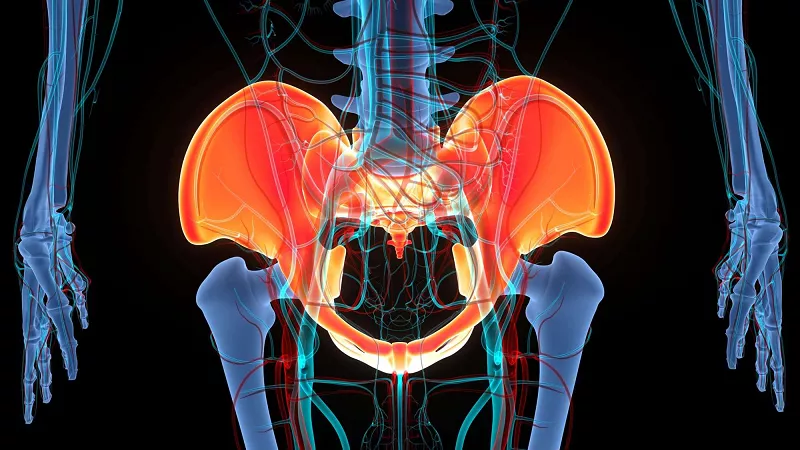
Chronic pelvic pain represents a complex medical condition affecting individuals for six months or longer, with multiple potential causes that often present overlapping symptoms. The persistent nature of this pain frequently involves both physical and psychological components, requiring comprehensive evaluation to identify underlying contributors.
While the experience varies significantly among individuals, recognizing symptom patterns can help guide diagnostic investigations and treatment approaches. The following sections detail common conditions associated with chronic pelvic pain and their characteristic presentations.
Endometriosis and Adenomyosis: Uterine-Related Pain Conditions
Endometriosis involves the growth of uterine-like tissue outside the uterus, commonly affecting ovaries, bladder, and rectal areas. Characteristic symptoms include cyclical pain worsening before or during menstruation, pain during intercourse, painful bowel movements, rectal bleeding during periods, and infertility concerns.
Adenomyosis presents similarly but involves uterine tissue growing within the muscular uterine wall. Many women experience heavy menstrual flow, prolonged periods, spotting between cycles, and bladder or rectal pressure sensations. Both conditions can significantly impact quality of life and often require specialized gynecological evaluation for proper diagnosis and management.
Urinary System Disorders: Interstitial Cystitis and Urinary Tract Infections
Interstitial cystitis involves bladder inflammation without infection, typically affecting women in their 30s and 40s. Symptoms include frequent urination, urgent voiding needs, discomfort during urination, and pain during sexual activity.
Urinary tract infections caused by bacterial invasion present with pelvic pressure, burning during urination, cloudy or bloody urine, and strong-smelling urine. While UTIs typically respond to antibiotics, recurrent infections may contribute to chronic pain patterns. Proper diagnosis requires urine culture testing and sometimes cystoscopic examination to rule out other bladder conditions.
Pelvic Inflammatory Conditions and Congestion Syndromes
Pelvic inflammatory disease often results from sexually transmitted infections ascending through the reproductive tract, causing inflammation and potential scarring. Symptoms include abnormal vaginal discharge, menstrual irregularities, pain during intercourse and urination, and fever.
Pelvic congestion syndrome resembles varicose veins in pelvic veins, with blood pooling causing enlarged vessels. Pain typically worsens before menstruation, improves when lying down, and may radiate to legs and lower back. Both conditions can create chronic pain patterns requiring specialized intervention approaches.
Gastrointestinal and Musculoskeletal Contributors
Irritable bowel syndrome frequently manifests with pelvic pain accompanied by diarrhea, constipation, bloating, and relief after bowel movements. Levator syndrome involves spasms in pelvic floor muscles, causing brief episodes of pain worsened by sitting.
Pelvic support issues from weakened ligaments may cause organ prolapse, urinary leakage, and sensation of vaginal bulging. These diverse conditions highlight the importance of multidisciplinary evaluation including gastroenterology and physical therapy assessments when appropriate.
Psychological Factors and Gynecological Cancers
Psychological components like depression, anxiety, and trauma history can manifest as physical pelvic pain without identifiable structural causes. Gynecological cancers including cervical, ovarian, vaginal, and endometrial cancers may present with persistent pelvic pain alongside abnormal bleeding, weight loss, and palpable masses.
While less common, these serious conditions require prompt evaluation when warning signs appear. A comprehensive approach addressing both physical and emotional aspects provides the best foundation for effective chronic pelvic pain management.
Related topics:
