
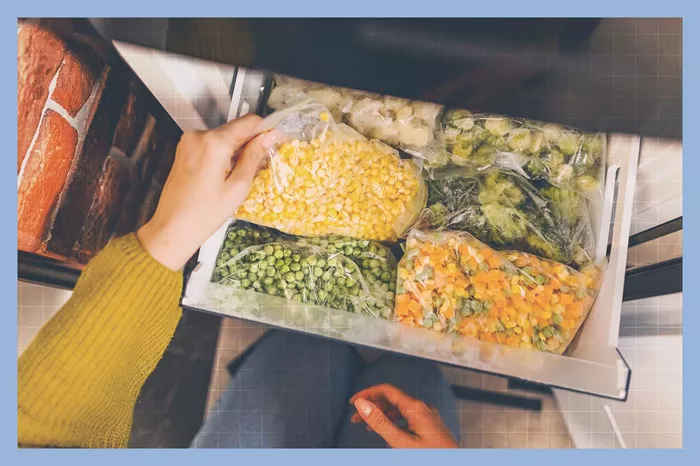
Nearly half of U.S. adults have high blood pressure, a condition that significantly increases the risk of heart disease and stroke, two leading causes of death. Fortunately, adopting lifestyle changes—especially dietary ones—can lower blood pressure and promote heart health. Incorporating more vegetables into your diet is an effective, accessible step, and frozen vegetables offer a nutritious, convenient, and budget-friendly way to do this.
Frozen vegetables are just as nutrient-rich as fresh varieties. Freezing locks in vitamins, minerals, and antioxidants, often preserving nutrients better than fresh produce that sits on shelves. Plus, frozen veggies reduce food waste and save time in the kitchen.
Here are four frozen vegetables dietitians recommend for supporting healthy blood pressure, each contributing key nutrients that help regulate cardiovascular function.
1. Frozen Brussels Sprouts: A Heart-Healthy Powerhouse
Brussels sprouts are dense in fiber, iron, potassium, and vitamin K, all vital for heart and vascular health. Potassium helps counterbalance sodium’s effect by relaxing blood vessels, reducing blood pressure. Fiber improves cholesterol and vascular function, while vitamin K supports arterial health and calcium balance.
To get crispy, flavorful sprouts, heat a baking sheet in the oven first and roast them tossed with neutral oil and seasonings until golden. Pair with lean proteins like salmon or chicken for a balanced and blood-pressure-friendly meal.
2. Frozen Spinach: Rich in Potassium and Nitrates for Vascular Health
Spinach stands out for its abundance of potassium and magnesium, minerals essential to blood vessel relaxation and blood pressure control. Spinach also contains dietary nitrates, which the body converts to nitric oxide—a molecule that widens blood vessels and boosts circulation.
Because frozen spinach is pre-blanched, it cooks quickly and blends well into smoothies, soups, and omelets, making it easy to add heart-healthy nutrients to your diet.
3. Frozen Broccoli: Antioxidant and Fiber Support for Your Heart
Broccoli provides vitamin C, fiber, and antioxidants, which contribute to lowering LDL cholesterol and reducing inflammation—a key driver of hypertension. Antioxidants in broccoli help maintain flexible arteries, improving blood flow and decreasing strain on the heart.
Use frozen broccoli in pasta, casseroles, soups, or roast it at 425°F for a crispy side dish. You can also steam it and toss with olive oil and lemon for a quick, flavorful addition.
4. Frozen Cauliflower: Versatile, Fiber-Rich, and Heart-Healthy
Packed with fiber and vitamin C, cauliflower supports cholesterol management, vascular health, and satiety, which helps maintain a healthy weight and prevent high blood pressure. Its mild flavor makes it a versatile ingredient, commonly found in riced form, mashed dishes, and pizza crusts.
Try roasting cauliflower for a nutty taste or adding riced frozen cauliflower to stir-fries, soups, and grain bowls for an easy nutritional boost.
Tips for Choosing and Cooking Frozen Vegetables
Read ingredient lists carefully: select only vegetables without added sauces, salt, or butter.
Avoid pre-seasoned or cheese-coated vegetables to limit sodium and saturated fat intake.
Avoid boiling frozen veggies to preserve water-soluble vitamins; instead, steam or roast for best nutrition.
Mix different frozen vegetables to create colorful, nutrient-rich soups.
Add spinach or riced cauliflower to smoothies for a simple way to increase potassium, magnesium, and fiber intake.
Including these frozen vegetables as part of an anti-inflammatory diet can be a practical and delicious way to support your blood pressure and overall heart health. With nutrient-packed convenience, frozen veggies make it easier than ever to eat well every day.
Related topics
