
For many first responders, such as police officers and firefighters, relentless exposure to trauma takes a severe toll on mental health, often resulting in treatment-resistant depression and post-traumatic stress disorder (PTSD).
Traditional therapies frequently fall short, leaving this population with limited options. A promising new solution is emerging in the form of ketamine-assisted psychotherapy (KAP), a novel approach that combines low-dose ketamine with guided therapy to rapidly alleviate symptoms.
Sgt. Paige Shell, a police officer in rural North Carolina, wrestled with nearly two decades of cumulative trauma manifesting as profound depression and suicidal thoughts. After various failed attempts with talk therapy, she turned to ketamine-assisted psychotherapy. This treatment induced a mild dissociative state allowing her to revisit and process painful memories from a more detached perspective, ultimately helping her improve sleep and cope better with stress.
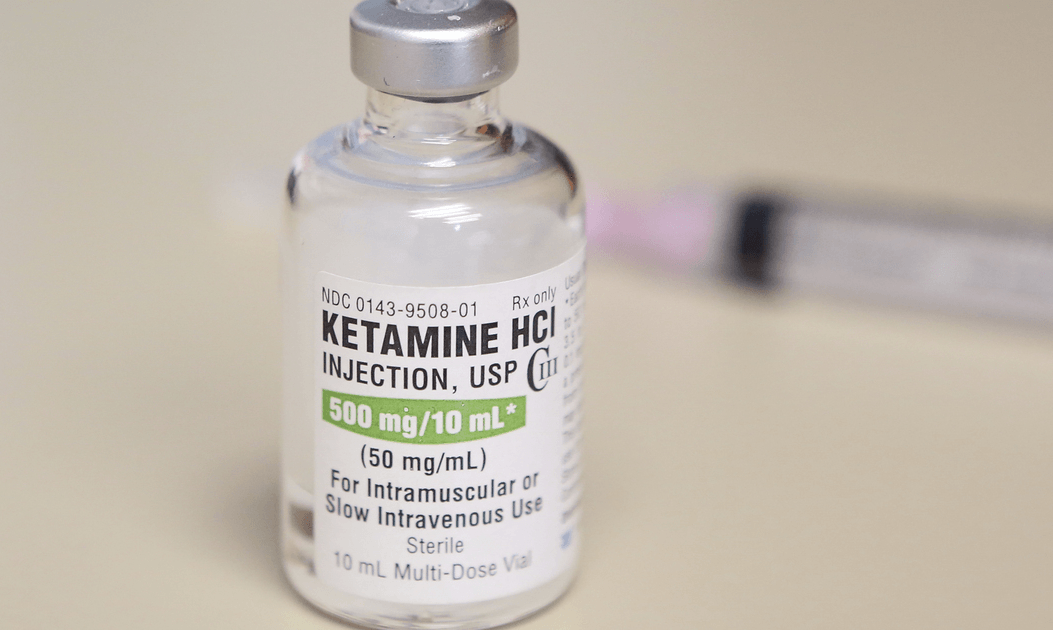
Ketamine, approved by the FDA as an anesthetic since 1970, has shown rapid antidepressant effects at low doses through multiple clinical studies, including populations with high trauma exposure similar to first responders.
Esketamine, a derivative delivered as a nasal spray, gained FDA approval in 2019 specifically for treatment-resistant depression. However, ketamine used off-label for psychiatric conditions remains largely unregulated, resulting in inconsistent dosing, administration, and safety protocols across more than 1,000 clinics nationwide.
Experts emphasize that ketamine sessions require careful clinical supervision, as the drug can trigger side effects such as nausea, blood pressure changes, and psychological distress if mismanaged.
Properly administered in combination with psychotherapy, ketamine can “strip away people’s armor,” enabling breakthroughs in processing trauma that traditional therapy may not achieve alone.
Despite its promise, ketamine-assisted treatment faces challenges, including stigma among law enforcement around mental health care, high costs often not covered by insurance, and regulatory gaps. Nonetheless, specialized programs focused on first responders are growing, offering hope to those burdened by mental health struggles stemming from their demanding roles.
As research advances, ketamine is increasingly viewed as a potentially lifesaving option to improve depression and PTSD outcomes for first responders, delivering faster relief than conventional treatments and paving the way toward resilience and recovery.
Related topics
Trump Insists “Great Shape” After Cognitive Test Before Exam
Experts Endorse Ketamine for Depression Treatment Amidst Psychedelic Hype
FDA Grants Approval for Ketamine-Based KETARx in Surgical Pain Care
