
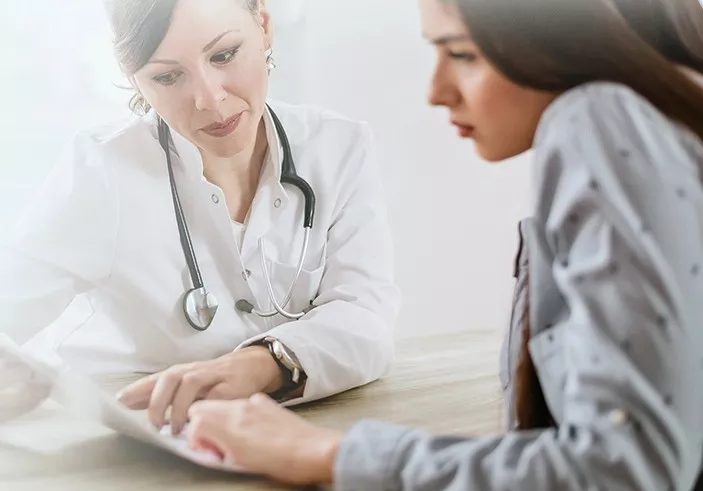
Polycystic Ovary Syndrome (PCOS) is often seen as a condition affecting women struggling to conceive. However, growing evidence and clinical observations suggest that PCOS can also appear after childbirth — a phase many women don’t associate with the disorder.
To understand this better, we spoke with Dr. Suma Varsha, IVF Specialist at Ferty9 Fertility Centre, Vijayawada, who clarified that postpartum PCOS is real and often overlooked.
Beyond Fertility: What PCOS Really Is
PCOS is a hormonal imbalance that affects ovarian function, leading to irregular periods, excess androgens (male hormones), and ovarian cysts. While it’s usually diagnosed before pregnancy, hormonal and metabolic shifts after childbirth can trigger PCOS symptoms even in women who previously had none.
“Some new mothers notice persistent acne, unexplained weight gain, or irregular periods months after delivery,” Dr. Varsha explained. “While these may be temporary postpartum changes, if they persist, PCOS could be the underlying cause.”
Why PCOS Can Develop After Childbirth
Following delivery, a woman’s body experiences sharp drops in oestrogen and progesterone, while insulin sensitivity and metabolic balance fluctuate. For women genetically predisposed or already insulin-resistant, this hormonal turbulence can unmask PCOS.
Common postpartum risk factors include:
Weight gain: Increased body fat can raise insulin and androgen levels.
Sleep deprivation and stress: Both can disrupt cortisol and reproductive hormones.
Pre-existing mild PCOS: Some women may have had undiagnosed PCOS, which becomes evident after childbirth.
Postpartum PCOS Symptoms to Watch For
If your menstrual cycle doesn’t normalize several months after delivery, consult your doctor. According to Dr. Varsha, symptoms include:
- Irregular or absent periods
- Unexplained weight gain
- Acne or oily skin
- Hair thinning or facial hair growth
- Persistent fatigue or mood swings
“These are signs that your hormones haven’t stabilized,” she said. “Early evaluation helps prevent long-term complications.”
Diagnosis and PCOS Management After Pregnancy
Diagnosis typically involves blood tests, pelvic ultrasound, and a review of symptoms. Physicians may check for raised androgen levels, anovulation, or ovarian cysts.
Dr. Varsha emphasized that PCOS is manageable with a combination of lifestyle and medical interventions:
Diet: Focus on high-fiber, low-glycemic foods (vegetables, lentils, oats).
Exercise: Begin with light postpartum routines like yoga or walking.
Sleep & Stress: Aim for 7–8 hours of rest, use relaxation or mindfulness techniques.
In certain cases, hormonal therapy or metformin may be prescribed to restore ovulation and metabolic function.
Real-Time Health Data: PCOS Trends (2025 Snapshot)
Prevalence: An estimated 1 in 8 women (12%) globally experience PCOS symptoms after childbirth.
Average postpartum onset: Symptoms typically appear 3–9 months after delivery.
Insulin resistance link: 68% of postpartum PCOS cases show measurable insulin resistance within a year.
Weight impact: Women with >10% postpartum weight retention have a 2.3× higher risk of PCOS onset.
Health Insights: Preventing PCOS After Pregnancy
Track your menstrual health in the six months following delivery.
Monitor fasting glucose and lipid levels — early detection of insulin resistance prevents long-term complications.
Stay hydrated and avoid refined sugars, which worsen hormonal imbalances.
Consult your gynaecologist if cycles remain irregular beyond six months postpartum.
Conclusion
Yes — women can develop PCOS after giving birth. Hormonal changes, weight fluctuations, and stress can unmask or trigger the condition. Early diagnosis, lifestyle balance, and medical support make it fully manageable.
As Dr. Varsha concludes, “Postpartum PCOS doesn’t have to define your health. With proper care and awareness, women can regain hormonal balance and long-term wellness.”
FAQ
1. Is pregnancy a cure for PCOS?
No. While pregnancy can temporarily balance hormones, PCOS may return later in life.
2. When can PCOS symptoms appear postpartum?
Typically within 3–9 months after childbirth as hormone levels normalize.
3. Does breastfeeding reduce PCOS risk?
Breastfeeding helps regulate insulin and hormone levels but doesn’t completely prevent PCOS.
