
What is PCOS?
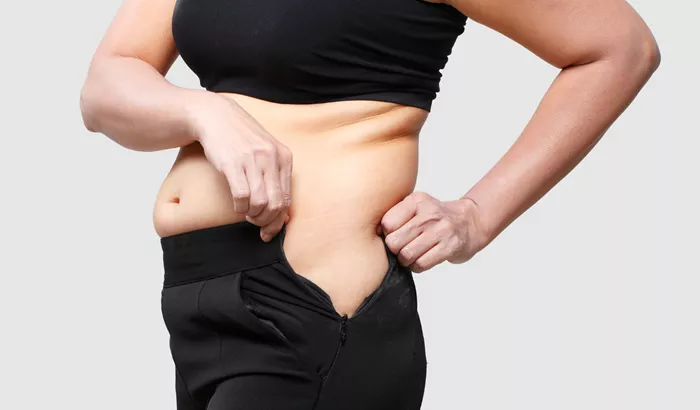
Polycystic ovary syndrome (PCOS) is a hormonal condition that affects how the ovaries function. It can impact a wide range of bodies and is not limited to cisgender women. PCOS is often linked to weight gain, and living with obesity can worsen symptoms. According to the NHS, losing just 5% of body weight can significantly improve PCOS symptoms.
Why Does PCOS Cause Weight Gain?
Many people with PCOS (around 65-70%) have insulin resistance, which means the body’s cells do not respond properly to insulin. This can lead to higher insulin levels, promoting weight gain and creating a cycle that is difficult to break.
PCOS can also increase androgen levels, such as testosterone, which may lead to an accumulation of visceral fat. This type of fat surrounds organs and increases health risks. Additionally, hormonal imbalances, inflammation, sleep issues, and the mental health impact of PCOS can all contribute to weight gain.
How to Lose Weight with PCOS
Although weight loss may be more challenging with PCOS, several strategies can support long-term success:
- Balanced Diet: Focus on a low-GI, nutrient-rich diet that includes whole grains, beans, nuts, seeds, fruits, and vegetables. Mediterranean-style eating with plenty of fiber and lean protein is recommended.
- Physical Activity: Regular exercise, including strength training, can help with weight loss, improve metabolic health, and prevent muscle loss.
- Medical Support: For those with obesity, weight loss medications prescribed through NHS programs like Oviva can support lifestyle changes.
Is Weight Loss Harder with PCOS?
PCOS can lower basal metabolic rate (BMR) by 14-40%, making it harder to burn calories at rest. Weight loss is still achievable, but goals should be realistic, and approaches may vary per individual. Combining diet, exercise, and medical support often produces the best results.
Addressing Weight Stigma and Mental Health
People with PCOS may face weight stigma and feelings of guilt or shame. It’s important to focus on overall health rather than just weight. Small, consistent lifestyle changes, along with mental health support, are essential for long-term success.
How Long Does Weight Loss Take with PCOS?
Weight loss may be slower for those with PCOS, but steady progress is possible. NHS guidelines suggest aiming for 0.5–1 kg (1–2 lbs) per week. Patience and consistency are key for achieving lasting results.
How Oviva Supports PCOS Management
Oviva is an NHS-approved weight management program that provides access to personalized support, including nutrition guidance, lifestyle coaching, mental health support, and prescription weight loss medications.
Through the Oviva app, users can track meals, exercise, and mood while receiving guidance from a team of doctors, dietitians, nurses, and mental health professionals. This comprehensive approach helps people manage weight effectively and improve PCOS symptoms over the long term.
