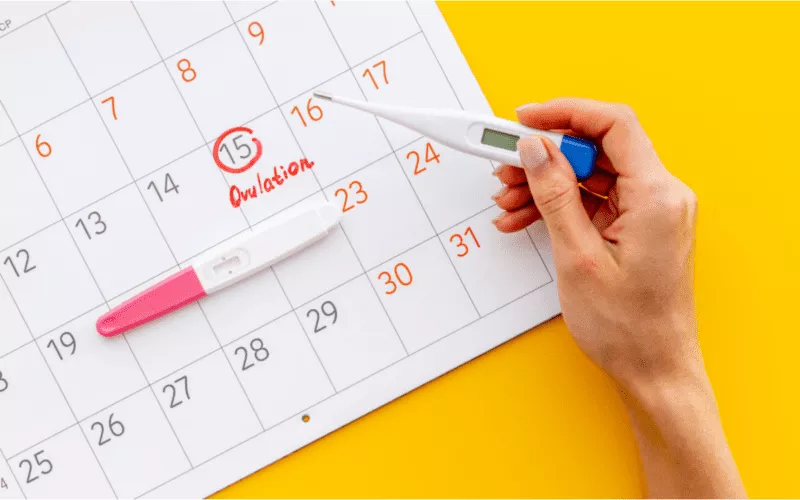
Ovulation tests are valuable tools for women trying to conceive. These home test kits help identify the most fertile days in your menstrual cycle by detecting hormonal changes that indicate when your body is preparing to release an egg.
How Ovulation Tests Work
These tests measure luteinizing hormone (LH) levels in your urine. About 24-36 hours before ovulation, women experience a sudden increase in LH, known as the LH surge. This hormonal surge triggers the release of an egg from the ovary. By detecting this LH increase, ovulation tests can predict when you are most likely to conceive.
Types of Tests Available
There are two main types of ovulation tests available at most pharmacies. Test strips require dipping the strip into a urine sample. Midstream tests are held directly in the urine stream and often include digital readers that display clear results. Both types are effective, though digital tests may be easier to interpret.
When to Test
The timing of testing depends on your cycle length. Women with regular 28-day cycles should begin testing around day 10 or 11 of their cycle. The best time to test is typically in the afternoon, and it’s important to test at the same time each day. Avoid drinking large amounts of fluid before testing to ensure accurate results.
Reading Results
A positive result indicates the LH surge has been detected and ovulation will likely occur within 24-36 hours. On strip tests, the test line will appear as dark as or darker than the control line. Digital tests usually display a positive symbol such as a smiley face. A negative result shows no LH surge has occurred.
Benefits and Considerations
These tests offer several advantages including high accuracy in detecting LH surges, convenience of home use, and availability without prescription. However, they have some limitations. They cannot confirm that ovulation actually occurred, may be less reliable for women with irregular cycles, and can be costly with prolonged use.
Common Questions
Many women wonder if these tests can detect pregnancy. While possible due to chemical similarities between LH and pregnancy hormones, ovulation tests should not be used for pregnancy detection. For accurate pregnancy results, use a test specifically designed for pregnancy detection.
Conclusion
Ovulation tests are effective for predicting fertility windows. For best results, follow package instructions carefully and consult your healthcare provider if you have concerns about your results or cycle regularity.
Related topics:
- Breastfeeding for Six Months Linked to Higher IQ and Academic Gains
- Gaza’s Health System on the Brink: Children Face Rising Disease Amid Hospital Shortages
- Testosterone Booster: Fat Loss May Trump TRT in Raising Levels