
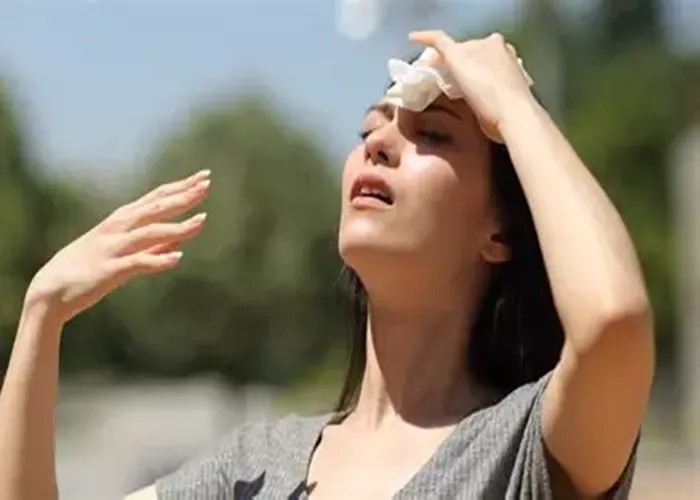
As summer heats up, saunas across China have rolled out “summer sweat detoxification and beauty” programs, drawing throngs of consumers. However, hospitals nationwide are seeing a surge in patients seeking treatment for excessive sweating, including cases of dehydration from hours-long consecutive sauna sessions. Medical experts caution: while moderate sweating in summer benefits health, blindly pursuing “profuse sweating” can be harmful.
“Mild Perspiration” Promotes Health, Excess Causes Harm
A week ago, Ms. Wang, who spent over 8 hours in a sauna for three consecutive days, developed dizziness and palpitations. Tests revealed her blood sodium levels were significantly below normal. Similarly, Harbin resident Mr. Ma fainted after prolonged sauna use; upon hospital admission, his blood pressure had dropped to 80/50 mmHg, diagnosed as “severe dehydration with electrolyte imbalance.”
“Proper sweating in summer is indeed beneficial, but excess yields the opposite effect,” said Liu Ping, associate chief physician at the Integrative Medicine Nursing Clinic of Heilongjiang Provincial Hospital. Sweating moisturizes the skin, keeps pores unclogged, helps expel bodily waste, and promotes blood circulation. Research also shows sweat contains antimicrobial peptides that effectively combat viruses, bacteria, and fungi.
Moderate sweating can stabilize blood pressure. “Exercise-induced sweating dilates capillaries, accelerates blood flow, and enhances vascular elasticity, thereby lowering blood pressure,” Liu explained.
Traditional Chinese medicine (TCM) emphasizes “mild perspiration” for healing, achievable through herbal decoctions, moxibustion, or massage—methods that rarely induce profuse sweating. Conversely, excessive sweating rapidly depletes bodily fluids; without timely replenishment, it can lead to dehydration, causing dry mouth, dark urine, fatigue, palpitations, and increased thrombosis risk.
Liu further explained: 99% of sweat is water, with the remaining 1% containing electrolytes like sodium, potassium, and chlorine. Excessive sweating causes dehydration, increasing blood viscosity and slowing circulation—similar to a river with reduced flow depositing silt, blood impurities may accumulate in vessels, raising thrombosis risk. Meanwhile, electrolyte loss disrupts nerve and muscle function, potentially causing nausea, weakness, muscle cramps, and numbness.
Liu noted that failing to replenish electrolytes within 6 hours of excessive sweating may trigger hyponatremia, with symptoms including headache, vomiting, confusion, and in severe cases, cerebral edema.
Four Abnormal Sweating Patterns to Watch For
Beyond excessive sweating, certain abnormal sweating patterns signal health alerts:
Night sweats: Perspiration during sleep that stops upon waking, often accompanied by insomnia, dry throat, and irritability. Western medicine attributes this to heightened nighttime sympathetic nerve activity, stress, or underlying conditions; TCM links it to yin deficiency.
Asymmetric sweating: Sweating on one half of the body (e.g., upper body but not lower, or left but not right). This may stem from autonomic nervous system dysfunction.
Cold sweats: Characterized by chills, lethargy, pale complexion, and cold, clammy skin—common after fright, panic, or shock. Recurrent cold sweats may accompany cold intolerance, dizziness, hunger, or palpitations, potentially indicating hypoglycemia, autonomic disorders, endocrine issues, or cardiovascular problems.
Hyperhidrosis: Excessive sweating at rest or in normal environments, beyond physiological needs. It may signal hyperhidrosis, hyperthyroidism, or menopause.
Liu Ping advised: These abnormal sweating patterns often serve as warning signs. Anyone experiencing them should seek prompt medical evaluation.
As sauna popularity rises, health professionals urge moderation, emphasizing that sweating’s benefits lie in balance—not quantity. Maintaining adequate hydration and electrolyte intake during summer heat remains crucial to preventing heat-related illnesses.
Related topics:
Toddler Virilised by Father’s Testosterone Gel: Safety Warnings Issued
Gen Z Men Drive Trillion-Dollar Shift in Male Health Industry
Living With Low Testosterone? Weight Loss Drugs Offer New Hope
