
A striking medical case that originally appeared years ago has made headlines again, underscoring a seldom-considered risk of hormone therapy: secondary exposure from testosterone gel.
In Sweden, a baby girl developed virilisation—unusually large genitalia resembling male anatomy—after being placed on her father’s bare chest, who had recently applied testosterone gel. Initial swelling of the clitoris and partial fusion of the labia were later shown to reverse once the contact stopped.
This scenario serves as a potent reminder: while testosterone therapy is effective when administered correctly, it can become harmful to others if basic precautions are ignored.
Why Infants Are Especially Vulnerable
Testosterone is a highly potent hormone responsible for male development. During the first year of life, infants undergo “mini‑puberty,” a naturally occurring surge in hormones, including rising testosterone in males. Since neonatal physiology is delicate, even minor external hormonal exposure can produce exaggerated developmental effects. In girls—whose bodies have very low testosterone levels—exposure may trigger clitoromegaly or abnormal growth of pubic hair and genitals.
A systematic safety review collected 21 reports of unintended testosterone exposure in children aged 6 months to 7 years; eight were classified as serious. Symptoms ranged from premature puberty to virilisation, occasionally requiring surgery or hormonal suppression treatments.
In the Swedish case, clinical signs appeared in a 14-month-old girl whose father had not washed his hands thoroughly—a factor likely contributing to transference despite covering the application site.
Case Highlights & Reversal of Effects
In the well‑known Swedish infant case reported by Sahlgrenska University Hospital, the child was brought in at 10 months old after visible genital enlargement. Blood tests confirmed elevated testosterone levels. After the father ceased the skin‑to‑skin contact, visible symptoms began to diminish over time, suggesting reversible effects when exposure ends early.
Medics have identified at least six similar incidents involving children and even adults—such as a young boy developing breasts through inadvertent exposure to estrogen cream—highlighting hormone therapies’ cross‑exposure risks even beyond testosterone.
How Testosterone Transfer Happens
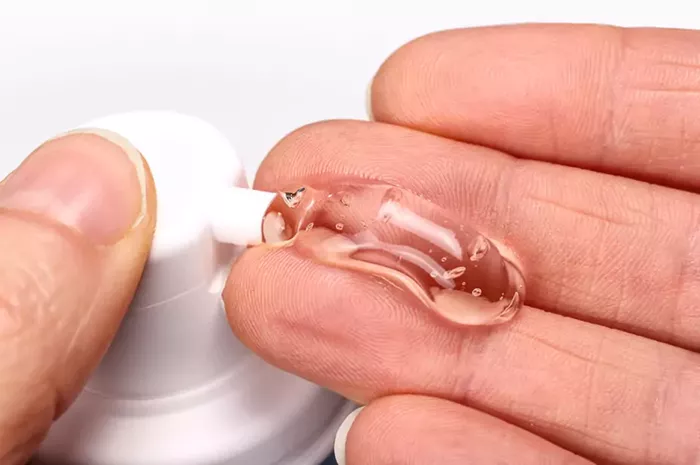
Testosterone gel is typically applied once daily to clean, dry skin—most often the shoulders, upper arms, abdomen, or thighs. Though it dries within minutes, hormone residue may linger on the skin for hours. Close contact before full absorption or washing can result in inadvertent absorption by another person. This is especially concerning with babies and children whose skin is thinner and more permeable.
Transfer to others, including women and children, has been documented through direct skin contact, contact with contaminated objects like towels or surface areas, and even via shared bedding or sweaty contact during sleep without clothing barriers.
Official Guidelines & Safety Precautions
UK regulators (MHRA) have issued clear safety advice: after applying testosterone gel, users must wash their hands immediately, cover the application area with clothing (such as a t‑shirt) once dry, and wash the application site before any physical contact with another person—especially children.
Evidence shows that wearing a shirt as a barrier or showering before skin contact can significantly reduce hormone transfer.
Despite growing prescription rates of testosterone therapy—particularly gel formulations on the NHS and private clinics—reported cases remain rare, suggesting that correct application and hygiene mitigate most risk. Nonetheless, clinicians stress the importance of informed patient education to avoid inadvertent harm.
Broader Patterns & Cases
Multiple case reports have illustrated how testosterone exposure in infants and toddlers can present as precocious puberty or virilisation. One report described a 16‑month‑old boy whose grandfather regularly used testosterone gel; the boy’s enlarged penis and advanced development resolved when the source was identified and removed
Another high‑profile case involved a child whose father’s gel exposure resulted in extreme growth and pubertal signs, including overgrowth by more than 6 standard deviations for height; within a month of stopping the father’s treatment, hormone levels dropped and clinical signs abated.
Prenatal exposure has also been reported: a female twin in utero was virilised due to inadvertent maternal exposure from her father’s testosterone gel, highlighting the potential for hormone transfer even before birth.
Practical Advice for Parents and Patients
If you are using testosterone gel and share a household with infants, young children, or pregnant partners:
- Apply the gel when you won’t have skin‑to‑skin contact for several hours.
- Always wash your hands thoroughly after applying gel.
- Cover the application site with clean clothing as soon as it dries.
- Before close contact, wash the application area again—especially if a few hours have passed.
Consider alternative delivery methods like patches, injections, or tablets (where permitted)—which carry lower risks of transfer.
Early recognition of symptoms in exposed individuals is critical. If abnormal genital development, premature puberty, or virilisation signs emerge, seek medical advice promptly. Timely intervention can include hormonal assays, growth monitoring, anti‑androgen treatment, or surgery if necessary. Many early effects resolve naturally once exposure stops.
Related topics:
