
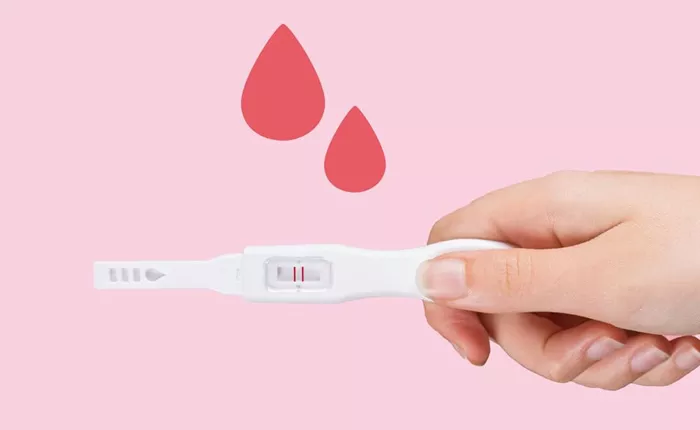
Many women wonder if it is possible to have a period while being pregnant. This question often comes up when someone experiences bleeding during early pregnancy. It can be confusing, especially for those who are trying to get pregnant or those who don’t realize they might already be pregnant. Understanding the difference between menstrual bleeding and other types of bleeding is important for your health and peace of mind.
In this article, we will explore what bleeding during pregnancy can mean, whether it’s normal or not, and how to tell if it’s something to worry about. We will use clear, everyday language to explain the facts and guide you through what to do if you experience bleeding while pregnant. Whether you are currently pregnant or planning to be, this article will help you feel more informed and confident about your body and what it’s telling you.
What Is a Menstrual Period?
A menstrual period is the monthly shedding of the lining of the uterus. It happens when a woman is not pregnant. Each month, the body prepares for pregnancy by thickening the uterine lining. If no pregnancy happens, the lining breaks down and leaves the body through the vagina. This is called menstruation.
The period is part of a natural cycle that includes hormone changes, egg release (ovulation), and the possibility of pregnancy. Once pregnancy occurs, this cycle is interrupted. That’s why, in most cases, women stop having periods once they become pregnant.
Can You Have a True Period During Pregnancy?
The short answer is no. A true period cannot happen if you are pregnant. Once an egg is fertilized and implants in the uterus, the hormones that control your cycle shift. These hormones, especially progesterone, work to support the pregnancy and prevent the lining of the uterus from shedding.
If the lining stays intact to support the growing baby, it cannot break down like it does in a period. So while you might see some bleeding, it is not a real menstrual period.
Why Do Some Women Bleed During Pregnancy?
Bleeding during pregnancy can happen for different reasons. It can occur in early pregnancy, and sometimes later. Here are some common causes:
1. Implantation Bleeding
This is light spotting that may happen when the fertilized egg attaches to the lining of the uterus. It usually occurs around the time you would expect your period, which is why some women confuse it with a period.
2. Hormonal Bleeding
Some women experience bleeding when their body would normally have a period, especially during the first few months of pregnancy. This is usually lighter and shorter than a normal period.
3. Cervical Changes
Pregnancy causes more blood to flow to the cervix. This can make it more sensitive. Bleeding might occur after sex, a pelvic exam, or even a Pap smear. This bleeding is usually light and not a cause for concern.
4. Miscarriage or Ectopic Pregnancy
Sometimes, bleeding during pregnancy is a sign of something more serious, like a miscarriage or an ectopic pregnancy. These conditions require medical care. If the bleeding is heavy, painful, or comes with cramping, you should see a doctor right away.
How to Tell the Difference Between a Period and Pregnancy Bleeding
If you’re pregnant, you might still see some bleeding. But this bleeding is usually different from your usual period. Here are some signs that may help you tell the difference:
- Amount: Periods are usually heavier. Pregnancy bleeding is often light or spotting.
- Color: Period blood is usually red and steady. Pregnancy spotting may be pink, brown, or very light red.
- Timing: Implantation bleeding happens earlier than a regular period and lasts for a shorter time.
- Cramping: Mild cramps can happen during implantation, but they are usually lighter than menstrual cramps.
When to Call a Doctor
It is always better to be safe and contact your doctor if you bleed during pregnancy. Even if the bleeding is light, it’s a good idea to get checked. Your doctor can do tests, such as an ultrasound or blood work, to make sure everything is okay.
Here are some warning signs to watch for:
- Heavy bleeding, like a period or more
- Strong cramping or sharp pain
- Bleeding with tissue or clots
- Dizziness or feeling faint
- Bleeding that lasts more than a few days
Common Myths About Periods During Pregnancy
Myth 1: You Can’t Be Pregnant if You’re Bleeding
Some women think that if they’re bleeding, they must not be pregnant. But this is not always true. As we’ve seen, some light bleeding can happen in early pregnancy.
Myth 2: Bleeding Means You Will Lose the Baby
Bleeding can be scary, but it doesn’t always mean miscarriage. Many women bleed and still have healthy pregnancies. Still, it’s important to talk to your doctor.
Myth 3: Some Women Get Periods Every Month During Pregnancy
This is a popular story, but it’s not medically accurate. What some women call “periods” during pregnancy is usually something else, like spotting or hormonal bleeding.
What to Do if You Think You’re Pregnant but You’re Bleeding
If you suspect you might be pregnant but notice bleeding, here’s what you can do:
- Take a home pregnancy test if your period is late
- Write down any symptoms or changes in your body
- Track how much and how long the bleeding lasts
- Call your doctor for advice
Don’t panic. Many women go through early pregnancy bleeding and still carry healthy babies. But it’s always good to listen to your body and get professional help when needed.
Other Reasons for Bleeding During Pregnancy
Aside from implantation and cervical changes, here are some other possible reasons for bleeding while pregnant:
- Infections: Such as yeast infections or sexually transmitted infections (STIs).
- Placenta issues: Like placenta previa or placental abruption later in pregnancy.
- Polyps: Benign growths on the cervix can sometimes bleed.
Most of these issues are treatable, especially if found early. That’s why regular prenatal care is so important.
Conclusion
While it is not medically possible to have a true menstrual period during pregnancy, some women do experience light bleeding or spotting. This can happen for many reasons, including implantation, hormonal changes, or cervical sensitivity. Sometimes, it can also be a sign of something more serious, such as a miscarriage or ectopic pregnancy. If you experience bleeding while pregnant or think you might be pregnant, the safest thing to do is speak with your doctor. With proper care and awareness, many women go on to have healthy pregnancies, even after early bleeding. Always listen to your body and don’t ignore any signs that feel unusual to you. Your health and your baby’s health are worth the attention.
FAQs
Can bleeding during pregnancy be normal?
Yes, light bleeding or spotting is common, especially in the first trimester. But you should always check with a doctor to make sure it’s not a sign of a bigger issue.
Is it possible to mistake bleeding for a period and not know you’re pregnant?
Yes, some women do not realize they are pregnant because they mistake implantation bleeding or hormonal spotting for a light period.
Can you still get a positive pregnancy test if you’re bleeding?
Yes, if you are pregnant, your body will produce the hormone hCG. A test can detect it even if you are spotting or bleeding lightly.
