
A new study suggests that eating certain everyday foods—like apples, cocoa, and tea—may help reduce blood pressure and improve heart health. The secret? A group of natural plant compounds called flavan-3-ols.
Simple Foods, Big Impact
Flavan-3-ols are found in many common foods, including green and black tea, cocoa, grapes, apples, and berries. These compounds give plants their color and help protect them from harm. In our diets, they add the bitter taste to dark chocolate or strong tea.
Researchers have been studying these compounds for years. A major study in 2022, the COSMOS trial, found that people who took cocoa flavanols had a 27% lower risk of dying from heart disease compared to those who took a placebo.
A Closer Look at Blood Pressure and Blood Vessels
A team of researchers, including Professor Christian Heiss from the University of Surrey, reviewed 145 clinical trials involving over 5,200 people. These studies measured how flavan-3-ol-rich foods affect blood pressure and the function of blood vessels.
The average daily dose studied was 586 milligrams of flavan-3-ols—about the amount in two to three cups of tea, a few squares of dark chocolate, or two tablespoons of cocoa powder.
The Results Were Promising
Participants who regularly consumed flavan-3-ols saw their systolic blood pressure (the top number) drop by an average of 2.8 mmHg and their diastolic pressure (the bottom number) fall by 2.0 mmHg.
People who already had high blood pressure saw even better results. Their systolic readings fell by up to 6–7 mmHg, and diastolic by 4 mmHg—similar to the results from some prescription drugs.
The compounds also improved blood vessel function. Flow-mediated dilation (FMD), a measure of how well blood vessels expand, improved by 1.7% on average. Even people with normal blood pressure showed this benefit, suggesting flavan-3-ols may help prevent heart problems before they start.
Few Side Effects, Many Benefits
Most people in the studies tolerated the flavan-3-ol-rich foods well. Reported side effects were rare and usually mild, such as minor stomach issues.
Importantly, improvements were seen even in people who didn’t have high blood pressure. This means flavan-3-ols could help protect heart health in the general population, not just those at risk.
Food Over Supplements
While some trials used supplements or isolated flavan-3-ols, these didn’t work as well as whole foods. Experts believe the other nutrients in natural foods help the body absorb and use flavan-3-ols more effectively.
So far, getting these compounds from food seems both safer and more effective than taking high-dose supplements. Especially for people on medications, the risks of mixing supplements are still unclear.
How to Add Flavan-3-Ols to Your Diet
You don’t need to change your diet completely. Just a few daily choices could help you reach the 500–600 mg target:
- Drink 2–3 cups of green or black tea
- Eat 1–2 servings of dark chocolate (about 56g)
- Add 2–3 tablespoons of cocoa powder
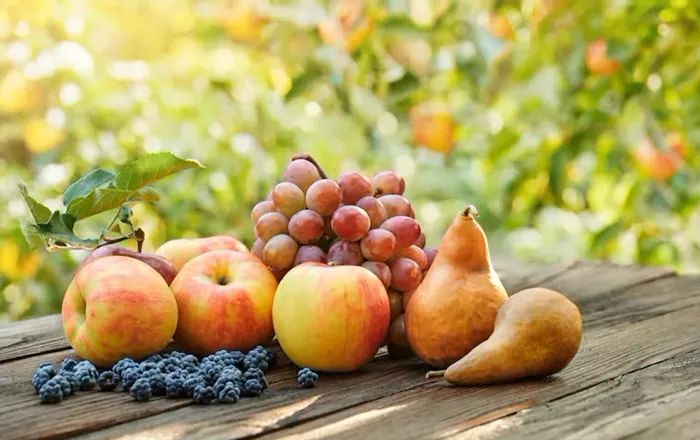
- Enjoy 2–3 apples
- Snack on grapes, pears, or berries
Simple swaps—like replacing sugary snacks with fruit and dark chocolate, or drinking an extra cup of tea—can add up over time. For people keeping track of their blood pressure at home, these small changes might show real results.
Still More to Learn
While the research is encouraging, more studies are needed—especially for people with diabetes, where results were less clear. Experts also want to better understand how flavan-3-ols interact with medications and if combining them with other healthy habits brings even more benefits.
Still, the current evidence supports including flavan-3-ol-rich foods in a heart-healthy diet. For doctors and patients looking for simple, affordable ways to protect the heart, these findings offer a useful tool.
A Delicious Way to Protect Your Heart
Flavan-3-ols aren’t a cure-all. They can’t replace medicine for everyone. But they do offer a tasty and safe way to support heart health—without turning to costly supplements or trendy “superfoods.”
Many of us already eat these foods. The key is to use them more purposefully, making them a regular part of a healthy lifestyle.
READ MORE
