
Breast implants are a common cosmetic and reconstructive procedure. Many women choose implants to enhance their appearance or restore breast shape after surgery. While breast implants are designed to be long-lasting, they are not considered lifetime devices. Knowing how often breast implants should be replaced is important for maintaining both health and appearance. This article explains everything you need to know about the lifespan of breast implants, signs they need replacement, and tips for caring for them.
Understanding Breast Implants
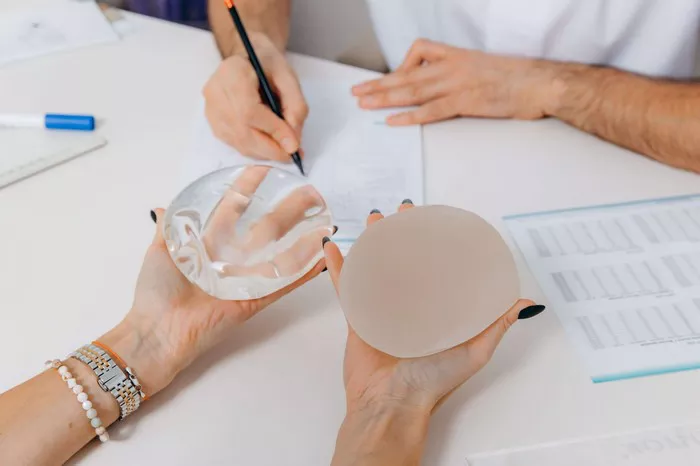
Breast implants are medical devices placed under the breast tissue or chest muscles. They are used for breast augmentation or reconstruction. Implants usually come in two main types: saline and silicone. Each type has a shell and filler. Saline implants are filled with sterile saltwater, while silicone implants are filled with silicone gel. Both types have benefits and potential risks. Choosing the right implant depends on personal goals, body type, and the surgeon’s recommendations.
Types of Breast Implants
Saline Implants
Saline implants are filled with sterile saltwater. If the implant leaks, the body absorbs the saline safely. They are generally less expensive and require smaller incisions. However, they can feel less natural and may have a higher risk of visible rippling.
Silicone Implants
Silicone implants are filled with a gel that feels more like natural breast tissue. They are often preferred for a more natural look and feel. Silicone implants may require regular monitoring, such as MRI scans, to detect silent ruptures, which may not show obvious symptoms.
Other Implant Types
There are also structured implants and gummy bear implants. Structured implants combine features of saline and silicone. Gummy bear implants are highly cohesive silicone gel, which keeps their shape even if the shell breaks.
Lifespan of Breast Implants
Breast implants are not permanent. The lifespan of an implant can vary depending on the type, placement, and individual factors. On average, breast implants last between 10 to 20 years. Some may last longer, while others may require replacement sooner.
Why Implants Do Not Last Forever
Several factors can affect the lifespan of breast implants. The body changes over time, including weight fluctuations, pregnancy, aging, and changes in breast tissue. Implants may develop complications such as rupture, capsular contracture, or implant malposition. These complications can make replacement necessary.
FDA Recommendations
The U.S. Food and Drug Administration (FDA) does not recommend routine replacement of implants unless problems occur. However, they note that the longer implants remain in the body, the higher the chance of complications. Patients should have regular check-ups and imaging tests to monitor the implants.

Signs You May Need to Replace Your Breast Implants
Not all implants need replacement at a fixed interval. Some implants last many years without issues. However, certain signs indicate it may be time to replace them:
Rupture or Leakage
A rupture is when the implant shell breaks. In saline implants, a rupture is usually obvious because the breast will deflate. Silicone ruptures may be silent and only detected with imaging, such as an MRI or ultrasound.
Capsular Contracture
Capsular contracture occurs when scar tissue around the implant tightens. This can cause pain, hardness, and changes in breast shape. Severe cases often require implant replacement.
Changes in Breast Shape
Over time, implants can shift, sag, or cause asymmetry. Natural changes in breast tissue, pregnancy, or weight loss may affect the appearance. Many women choose replacement to restore symmetry and shape.
Implant Malposition or Rotation
Sometimes implants move from their original position or rotate. This is more common with shaped implants. Malposition can affect the appearance and may require replacement or repositioning surgery.
Infection or Skin Problems
Although rare, infections or skin complications can occur around the implant. If conservative treatments fail, removing or replacing the implant may be necessary.
Factors That Affect Implant Longevity
Several factors influence how long breast implants last:
Type of Implant
Silicone implants tend to last longer and feel more natural. Saline implants may be more prone to rupture over time.
Placement of Implant
Implants can be placed above or below the chest muscle. Submuscular placement may reduce certain risks and improve longevity.
Size and Shape
Larger implants may put more pressure on breast tissue, which could increase the risk of complications. Similarly, shaped implants may be more prone to rotation.
Patient Factors
Age, lifestyle, weight changes, pregnancies, and overall health can all impact implant longevity. Smoking and certain medications may also affect healing and implant durability.
When to Consider Replacement
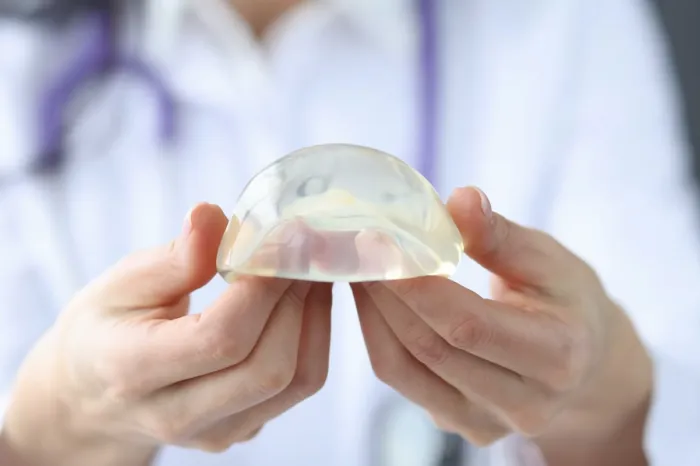
Implants do not need to be replaced simply because of age. Replacement should be considered if there are symptoms, visible changes, or if the patient desires a different size or type. Regular follow-ups with a board-certified plastic surgeon are essential for monitoring.
Preventive Replacement
Some patients choose to replace implants every 10 to 15 years to prevent future problems, even if there are no symptoms. This is a personal decision and should be discussed with a surgeon.
Replacement Surgery
Breast implant replacement is similar to the initial surgery. It involves removing the old implant and replacing it with a new one. Sometimes, the surrounding tissue needs adjustment to achieve the best appearance.
Recovery After Implant Replacement
Recovery from replacement surgery is generally similar to the first surgery. Most patients experience swelling, bruising, and discomfort for several weeks. Full recovery can take a few months, during which physical activity should be limited. Surgeons will provide detailed post-operative care instructions to ensure safety and optimal results.
Caring for Your Implants
Proper care and monitoring can help extend the life of breast implants:
- Schedule regular check-ups with your plastic surgeon.
- Perform self-exams to detect changes in breast shape or feel.
- Follow post-operative instructions carefully after surgery.
- Maintain a healthy lifestyle, including stable weight and avoiding smoking.
- For silicone implants, follow recommended imaging schedules to detect silent ruptures.
FAQs About Breast Implant Replacement
Do breast implants need to be replaced every 10 years?
No. Breast implants do not need routine replacement at a set interval. Many implants last longer than 10 years. Replacement is only necessary if there are problems or personal preferences change.
How can I tell if my implant has ruptured?
Saline implant ruptures are usually noticeable because the breast deflates. Silicone ruptures may not show obvious symptoms and require imaging, such as an MRI or ultrasound, for detection.
Can I change the size of my implants when replacing them?
Yes. Many women choose to change the size or type of implants during replacement surgery to achieve different results.
Is replacement surgery more complicated than the first surgery?
Replacement surgery is similar to the initial procedure. However, scar tissue or changes in breast shape may make it slightly more complex. A qualified surgeon can manage these challenges safely.
How long does recovery take after replacement?
Recovery is similar to the first implant surgery. Most patients return to normal activities in a few weeks, but full healing can take several months.
Are there risks to keeping old implants?
Yes. Older implants may have a higher risk of rupture, capsular contracture, or other complications. Regular monitoring is important to detect problems early.

Conclusion
Breast implants are long-lasting but not permanent. On average, they last 10 to 20 years. Replacement is needed if there are complications, visible changes, or personal preferences change. Regular monitoring and healthy habits can help extend their lifespan. Consulting with a board-certified plastic surgeon is essential for making informed decisions about when to replace breast implants.
