
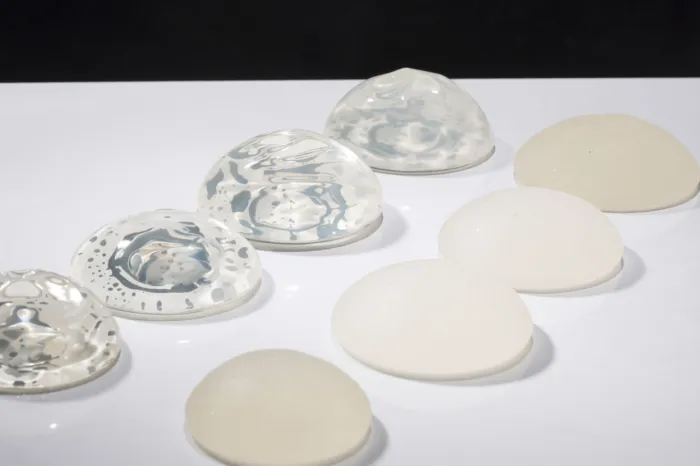
Many women who have breast implants ask the same important question: Can I breastfeed with implants? This is a very common concern. Some women already have implants and later decide to have a baby. Others are thinking about breast augmentation but worry about their ability to breastfeed in the future.
The good news is that most women with breast implants can breastfeed successfully. However, there are several factors that can influence milk production and breastfeeding success. These factors include the type of surgery, the incision location, implant placement, and individual body differences.
In this article, I will explain everything in simple and clear language. You will learn how breast implants may affect breastfeeding, what risks exist, and how to improve your chances of successful nursing. By the end, you will have a complete understanding of this important topic.
How Breastfeeding Works
The Structure of the Breast
To understand how implants affect breastfeeding, you first need to understand how the breast works.
The breast is made of:
- Milk-producing glands (lobules)
- Milk ducts that carry milk to the nipple
- Nerves that stimulate milk release
- Fat tissue that gives the breast its size and shape
When a baby suckles at the nipple, nerves send signals to the brain. The brain then releases hormones called prolactin and oxytocin. Prolactin helps produce milk. Oxytocin helps release milk.
If the glands, ducts, and nerves are healthy and connected, milk production can occur normally.
The Role of Hormones
During pregnancy, your body prepares for breastfeeding. Hormone levels increase. The milk glands grow. After birth, milk production begins within a few days.
Breast implants do not change your hormones. Hormones are controlled by your brain and ovaries. This means implants alone do not stop milk production.
What Are Breast Implants?
Types of Implants
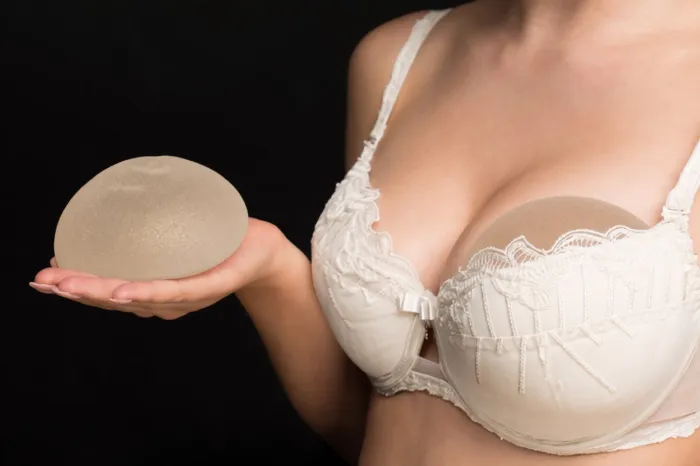
There are two main types of breast implants:
- Saline implants (filled with sterile salt water)
- Silicone gel implants (filled with silicone gel)
Both types are placed either under the breast tissue or under the chest muscle.
Implant Placement
Implants can be placed in two main positions:
- Subglandular placement: The implant is placed under the breast tissue but above the chest muscle.
- Submuscular placement: The implant is placed under the chest muscle.
Submuscular placement is less likely to interfere with milk glands. This is because the implant sits deeper and does not press directly on milk-producing tissue.
Incision Locations
The incision can be made in different places:
- Under the breast fold (inframammary incision)
- Around the areola (periareolar incision)
- In the armpit (transaxillary incision)
The incision location matters because cutting around the areola may affect nerves and milk ducts.
Can You Breastfeed with Implants?
The Short Answer
Yes, most women with breast implants can breastfeed.
However, some women may experience reduced milk supply. Others may not notice any difference at all.
What Research Shows
Studies show that many women with implants are able to breastfeed successfully. Some may need to supplement with formula if milk supply is low. But complete inability to breastfeed is uncommon.
The ability to breastfeed depends more on surgical technique than on the implant itself.
How Implants Might Affect Breastfeeding
Damage to Milk Ducts
If milk ducts are cut during surgery, milk flow may decrease. This is more common with incisions made around the areola.
However, the body can sometimes repair small duct damage over time.
Nerve Sensitivity Changes
Nerves around the nipple are very important for breastfeeding. If these nerves are damaged, the brain may not receive strong signals to produce milk.
Some women experience temporary numbness after surgery. In many cases, sensation returns within months.
Pressure on Glandular Tissue
If the implant is placed above the muscle, it may press on milk-producing glands. This pressure could reduce milk production in some women.
Implants placed under the muscle are less likely to cause this problem.
Is Breast Milk Safe with Implants?
Concerns About Silicone
Many mothers worry that silicone from implants might enter breast milk.
Research has not shown harmful levels of silicone in breast milk from women with implants. In fact, silicone levels in breast milk are similar to levels found in cow’s milk and infant formula.
Both the American Academy of Pediatrics and other medical organizations consider breastfeeding safe for women with implants.
Implant Rupture and Breastfeeding
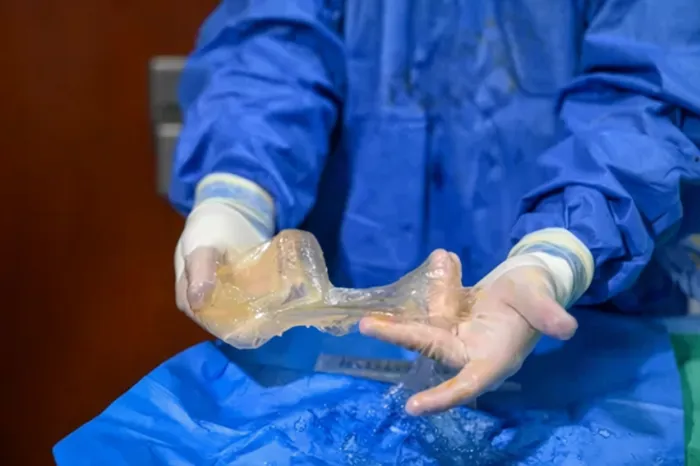
If a saline implant ruptures, the salt water is harmless and absorbed by the body.
If a silicone implant ruptures, the gel usually stays within the capsule around the implant. Even in this situation, breastfeeding is often still considered safe, but evaluation by a doctor is important.
Factors That Improve Breastfeeding Success
Choosing the Right Surgeon
If you are planning breast augmentation and want children in the future, tell your surgeon.
An experienced surgeon can:
- Avoid cutting major ducts
- Protect nerves
- Recommend under-the-muscle placement
- Suggest an incision under the breast fold
These steps help preserve breastfeeding ability.
Breastfeeding Support After Birth
Working with a lactation consultant can make a big difference. They can:
- Check baby’s latch
- Monitor milk supply
- Suggest pumping techniques
- Help with supplementation if needed
Early support increases success.
Frequent Feeding
Milk production works on supply and demand. The more often milk is removed, the more your body produces.
Frequent breastfeeding or pumping can improve milk supply.
Common Challenges
Low Milk Supply
This is the most common issue for women with implants. Some women produce full supply. Others produce partial supply.
Even partial breastfeeding has benefits for your baby.
Engorgement
Women with implants may feel more breast tightness when milk comes in. This can cause discomfort.
Warm compresses and gentle massage can help.
Changes in Breast Appearance
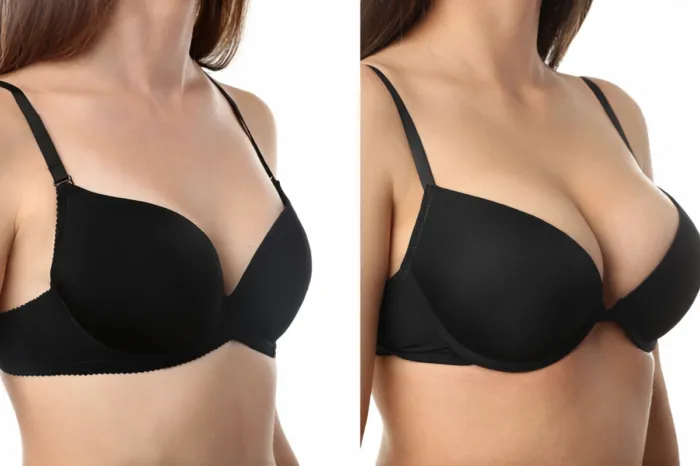
Pregnancy and breastfeeding can change breast shape. This happens with or without implants.
Skin stretching and volume changes are normal.
Breastfeeding After Breast Lift with Implants
If you had a breast lift (mastopexy) along with implants, the risk of breastfeeding difficulty may be higher. This is because more tissue is moved during surgery.
However, many women still breastfeed successfully after combined procedures.
When to Talk to Your Doctor
You should speak with your doctor if:
- Your baby is not gaining weight
- You have severe nipple pain
- You suspect implant rupture
- You experience unusual swelling or infection
Early medical guidance can prevent complications.
Emotional Considerations
Some mothers feel guilty if they cannot fully breastfeed. It is important to remember that every body is different.
Having implants does not mean you made a wrong decision. Your health, confidence, and happiness matter too.
If breastfeeding does not go as planned, formula feeding is also a healthy option. A fed baby is what matters most.
Planning Breast Augmentation Before Pregnancy
If you have not yet had surgery but plan to in the future, consider waiting until after having children. Pregnancy can change breast size and shape.
However, if you choose to proceed before pregnancy, selecting the right technique can preserve breastfeeding ability.
Frequently Asked Questions (FAQs)
1. Can I breastfeed normally with implants?
Yes, many women can breastfeed normally. Some may experience reduced milk supply, but complete inability is uncommon.
2. Are silicone implants dangerous for my baby?
Current research shows no evidence that silicone implants harm breastfed babies.
3. Does implant placement matter?
Yes. Implants placed under the muscle are less likely to interfere with milk production.
4. Is incision location important?
Yes. Incisions around the areola may increase the risk of nerve or duct damage compared to incisions under the breast fold.
5. Can I breastfeed if I had a breast lift and implants?
Many women can, but the risk of reduced milk supply may be slightly higher.
6. Will breastfeeding ruin my implants?
Breastfeeding does not ruin implants. However, pregnancy and breastfeeding can change breast shape naturally.
7. What if I cannot produce enough milk?
You can supplement with formula. Partial breastfeeding still provides benefits.
8. Should I remove my implants before pregnancy?
There is usually no need to remove implants before pregnancy unless there is a medical issue.
Conclusion
So, can you breastfeed with implants? In most cases, yes. Breast implants do not automatically prevent breastfeeding. Success depends on surgical technique, implant placement, and individual healing.
If you are considering breast augmentation and plan to have children, discuss this clearly with your surgeon. If you already have implants and are pregnant, seek early support from a lactation specialist.
With proper guidance and realistic expectations, many women with breast implants successfully breastfeed their babies. Your body is capable of amazing things. With the right support, you can make the best choice for both you and your child.
