

Breast implants are a popular cosmetic procedure used to enhance breast size, restore volume after pregnancy, or reconstruct the breast after surgery. Many people choose implants to improve their appearance and confidence. While breast implants can provide satisfying results, it is very important to understand that they also come with disadvantages and long-term responsibilities.
This article explains the disadvantages of breast implants in clear and simple language. The goal is to help readers make informed decisions based on facts, not just expectations.
Understanding Breast Implants
Before discussing the disadvantages, it is helpful to understand what breast implants are.
Types of Breast Implants
- Saline Implants: Filled with sterile salt water after placement.
- Silicone Implants: Filled with silicone gel that feels more like natural tissue.
- Structured Implants: A mix of saline and internal structure for shape support.
- Fat Transfer Augmentation: Uses your own fat instead of artificial implants.
Each type has different benefits and risks, but all implants share certain disadvantages.
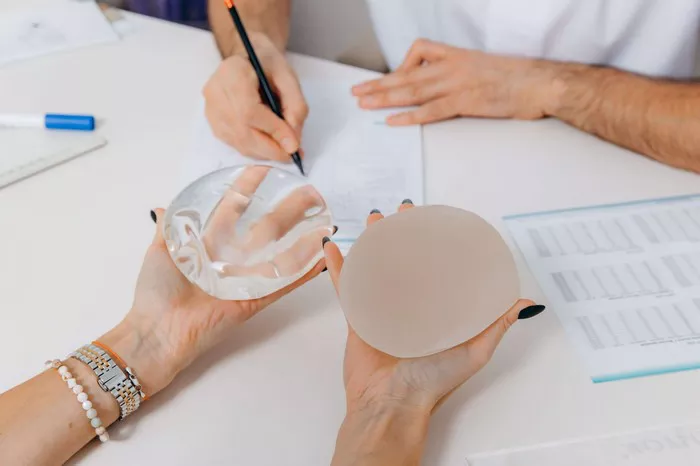
Breast Implants Are Not Lifetime Devices
One of the most misunderstood facts is that breast implants do not last forever.
Limited Lifespan
Most implants last between 10 to 20 years. Some fail earlier. Others last longer. There is no guarantee.
Need for Replacement Surgery
Many patients need additional surgeries due to aging, rupture, or cosmetic changes. This means implants are a long-term commitment, not a one-time procedure.
Risk of Surgical Complications
Like any surgery, breast augmentation carries medical risks.
Common Surgical Risks
- Bleeding
- Infection
- Delayed healing
- Reaction to anesthesia
- Scarring
These complications can occur even when surgery is performed perfectly.
Infection Can Be Serious
If infection develops, implants may need to be removed. This can be emotionally and physically stressful.
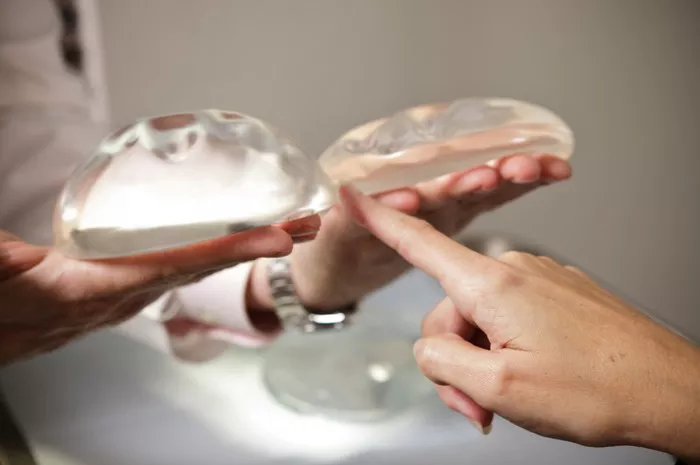
Capsular Contracture
This is one of the most common long-term problems.
What Is Capsular Contracture?
Your body naturally forms a layer of scar tissue around the implant. Sometimes this tissue becomes hard and tight. This condition is called capsular contracture.
Effects of Capsular Contracture
- Breast feels hard
- Breast looks distorted
- Pain or discomfort
- Need for corrective surgery
Severe cases require implant removal or replacement.
Implant Rupture or Leakage
Implants can break over time.
Saline Implant Rupture
When saline implants rupture, they deflate quickly. The body absorbs the salt water safely, but surgery is required to replace the implant.
Silicone Implant Rupture
Silicone ruptures are harder to detect. This is called a “silent rupture.” MRI scans are often needed to identify the problem.
Many patients do not realize that monitoring implants requires ongoing medical imaging.
Breast Implant Illness (BII)
Some patients report a group of symptoms called Breast Implant Illness.
Reported Symptoms
- Fatigue
- Joint pain
- Hair loss
- Brain fog
- Skin problems
- Autoimmune-like symptoms
Medical research is still ongoing. Not all doctors agree on the cause. However, some patients feel better after implant removal.
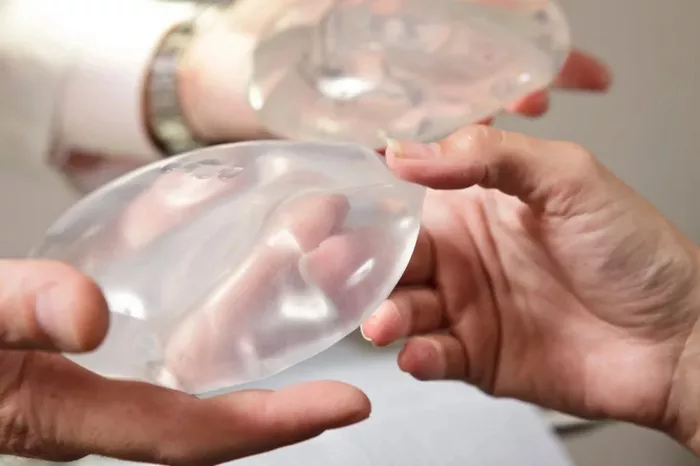
Interference With Breast Cancer Screening
Breast implants can make cancer detection more difficult.
Mammograms Become More Complex
Implants can block part of the breast tissue during imaging. Special techniques are required. Even then, some tissue may not be visible.
Need for Additional Imaging
Patients with implants may need:
- Extra mammogram views
- Ultrasound
- MRI scans
This increases cost, time, and anxiety.
Risk of a Rare Cancer (BIA-ALCL)
A rare cancer called Breast Implant-Associated Anaplastic Large Cell Lymphoma (BIA-ALCL) has been linked to certain textured implants.
Although Rare, It Is Serious
This condition affects the immune system and usually requires implant removal and medical treatment.
The risk is low, but patients should be aware of it.
Changes in Breast Appearance Over Time
Implants do not stop natural aging.
Body Changes Affect Results
- Weight gain or loss
- Pregnancy
- Hormonal changes
- Skin stretching
- Gravity
These factors can lead to sagging, asymmetry, or unnatural appearance.
Loss of Natural Breast Sensation
Some patients experience changes in nipple or breast sensation.
Sensation Changes May Include
- Numbness
- Hypersensitivity
- Permanent loss of feeling
These changes can affect quality of life and intimacy.
Visible Rippling or Unnatural Feel
Implants may not always look or feel natural.
Rippling Happens When
- Skin is thin
- Implant is placed above muscle
- Saline implants are used
This can be visible when bending or wearing certain clothing.
Emotional and Psychological Considerations
Many people believe implants will solve body image concerns. However, surgery does not always fix self-esteem issues.
Possible Emotional Challenges
- Unrealistic expectations
- Disappointment with results
- Anxiety about complications
- Stress from repeated surgeries
It is important to have realistic goals before surgery.
Financial Costs Over Time
The initial surgery is only part of the total cost.
Long-Term Expenses Include
- Replacement surgeries
- Medical imaging (MRI, ultrasound)
- Treatment of complications
- Time off work
- Revision procedures
Breast implants often become a lifelong financial commitment.
Recovery Can Be Longer Than Expected
Healing takes time and varies by individual.
Recovery May Include
- Several weeks of restricted activity
- Swelling and discomfort
- Sleeping limitations
- Avoiding exercise
Some patients need months to feel fully normal again.
Impact on Physical Activities
Large implants can affect posture and comfort.
Possible Physical Effects
- Neck or back pain
- Difficulty during exercise
- Pressure on chest muscles
- Changes in balance
These effects are more common with oversized implants.
Breastfeeding May Be Affected
Some women can breastfeed normally after implants, but others cannot.
Possible Challenges
- Reduced milk production
- Nerve damage affecting let-down reflex
- Discomfort during feeding
This depends on surgical technique and individual anatomy.
Need for Ongoing Medical Monitoring
Implant patients require regular follow-up care.
Monitoring Recommendations
- Routine clinical exams
- MRI scans every few years (for silicone implants)
- Evaluation for rupture or contracture
This lifelong monitoring is often underestimated.
Alternatives to Breast Implants
Some people choose alternatives that avoid foreign materials.
Non-Implant Options
- Fat transfer breast augmentation
- External prosthetics
- Supportive garments
- Body contouring instead of enlargement
Each option has its own pros and cons but may involve fewer long-term risks.
Making an Informed Decision
Breast implants are not inherently good or bad. They are a medical choice with benefits and disadvantages. The key is understanding that implants require maintenance, monitoring, and sometimes additional surgeries.
Patients should consult qualified, board-certified surgeons and discuss expectations, risks, and alternatives before deciding.
Conclusion
Breast implants can enhance appearance, but they also come with real medical, emotional, and financial responsibilities. They are not permanent, they are not risk-free, and they require lifelong awareness.
Understanding the disadvantages allows individuals to make decisions based on knowledge rather than marketing or social pressure. The best outcomes occur when patients are fully informed and choose what aligns with their long-term health and personal goals.
Frequently Asked Questions (FAQs)
1. How long do breast implants really last?
Most implants last 10 to 20 years, but some fail earlier. Replacement surgery is very common.
2. Are breast implants safe?
They are generally safe when performed by qualified surgeons, but they are not risk-free. Complications can occur even years later.
3. Do implants need maintenance?
Yes. Regular checkups and imaging tests are recommended to monitor for rupture or other problems.
4. Can implants cause illness?
Some patients report symptoms known as Breast Implant Illness. Research is ongoing, and experiences vary.
5. Will implants affect mammograms?
Yes. Special imaging techniques are needed, and screening may be more complex.
6. Can implants rupture without symptoms?
Yes. Silicone implant ruptures are often “silent” and detected only through MRI scans.
