
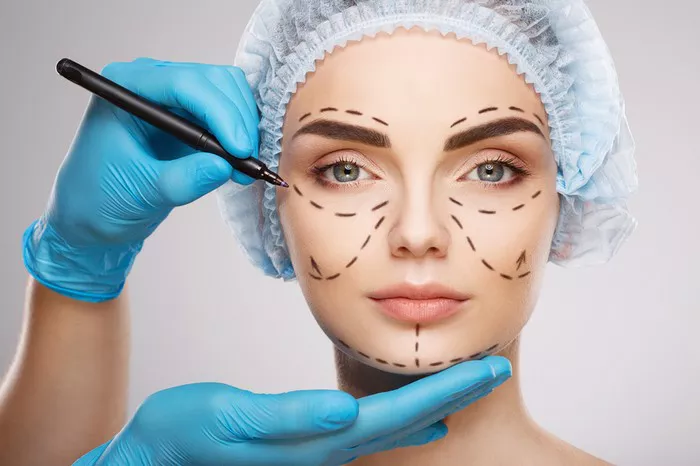
Facial plastic surgery is continuing its rapid expansion across the United States, with new data showing that patients are increasingly opting for earlier, more conservative treatments designed to preserve their appearance rather than dramatically alter it.
According to the latest annual survey from the American Academy of Facial Plastic and Reconstructive Surgery (AAFPRS), facial aesthetic procedures are projected to rise by 19 percent nationwide, reaching an estimated 1.6 million treatments.
Experts say the growth reflects a shift in mindset rather than a pursuit of more noticeable results.
“The biggest takeaway is that aesthetics has become far more intentional,” said Dr. Anthony Brissett, a Houston-based facial plastic surgeon and president of AAFPRS. “Patients are not asking for dramatic changes. They’re seeking natural-looking, strategic treatments that preserve their features over time and allow them to age confidently while maintaining their identity.”
Younger Patients Turn to Preventative Care
The survey found a notable rise in younger individuals seeking cosmetic care, with 57 percent of surgeons reporting an increase in patients under age 30 requesting procedures or injectables.
Rather than waiting for visible signs of aging, many are beginning treatments earlier as a preventative measure. This signals what surgeons describe as a long-term, strategy-driven approach to facial aesthetics.
Patients aged 34 and younger continue to represent the majority of rhinoplasty cases, while those between 35 and 55 remain the primary demographic seeking neurotoxins and other nonsurgical options.
Nonsurgical Procedures Dominate the Market
Minimally invasive treatments now account for roughly 80 percent of all procedures performed by AAFPRS members, making them the clear driver of industry growth. Neurotoxins and dermal fillers remain the most requested services.
Motivations have also evolved. According to the survey, patients are now less concerned about cost or recovery time and more focused on avoiding results that appear unnatural.
“After years of exaggerated trends on social media, there’s clear fatigue around overfilled or obvious results,” Brissett said. “Subtlety, balance and restraint have become the new aesthetic standard.”
Weight-Loss Drugs Reshape Aesthetic Needs
The widespread use of GLP-1 medications for weight loss is also influencing demand for facial treatments. The survey reported that 67 percent of surgeons are seeing increased consultation requests tied to rapid weight loss—up sharply from the previous year.
As patients lose facial fat more quickly, many are seeking procedures to restore volume and support skin structure. AAFPRS members reported a second consecutive year of 50 percent growth in fat-grafting procedures, and one in four surgeons believe GLP-1 use will further expand demand for nonsurgical care.
Menopause Becomes Part of the Aesthetic Conversation
Hormonal changes associated with menopause and perimenopause are increasingly driving midlife consultations. Forty-five percent of surgeons said more women now cite these factors when seeking treatment, compared with 28 percent a year earlier.
At the same time, 66 percent reported a rise in eyelid procedures aimed at reducing a tired appearance, and half said patients are pursuing cosmetic treatments to remain competitive in the workplace.
“We are moving toward more personalized, natural and longevity-focused care,” Brissett said. “Technology is enhancing access and communication, but expertise and specialized training remain essential.”
Men Are Seeking Procedures at Similar Rates
The gender gap in cosmetic treatment continues to narrow. One in four surgeons reported that procedures such as otoplasty, nonsurgical hair restoration, chin augmentation, facial implants, rhinoplasty, PRP injections, fat-dissolving treatments, and noninvasive fat reduction are now performed at roughly equal rates among men and women.
Hair transplantation, long dominated by male patients, is also seeing a shift. The share of surgeons reporting hair transplants as primarily male has dropped from 50 percent in 2019 to 33 percent, while practices seeing more female than male hair transplant patients have increased from 11 percent to 17 percent. Surgeons also reported performing about twice as many hair restoration treatments in 2025 as in 2024.
A Move Toward Long-Term, Natural Results
Overall, the survey suggests the future of facial plastic surgery will be defined less by trends and more by individualized care plans focused on subtle enhancements and long-term outcomes.
Industry leaders say patients are increasingly prioritizing treatments that age well over time—reflecting a broader cultural shift toward maintenance, prevention and authenticity in aesthetic medicine.
