
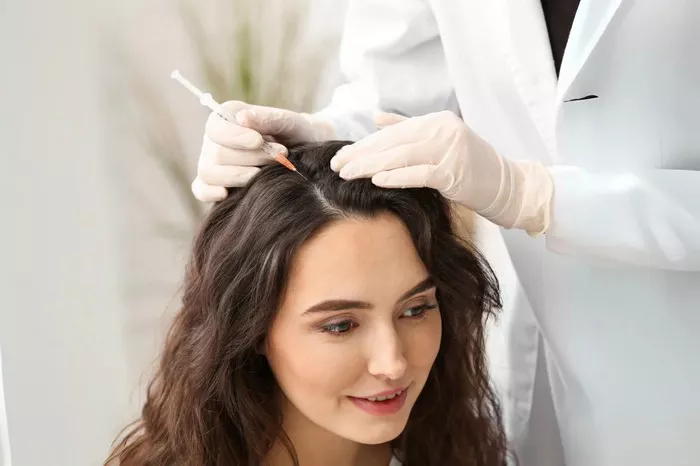
Miami is increasingly positioning itself as a domestic alternative to overseas medical tourism for hair transplant procedures, as advancements in surgical techniques and a growing concentration of aesthetic specialists draw patients from across the United States and abroad.
Historically, individuals seeking hair restoration often traveled to countries such as Turkey or Colombia, where procedures were widely marketed and comparatively inexpensive. However, physicians and industry observers say improvements in technology, safety standards, and clinical expertise in the U.S. are reshaping patient decisions, with South Florida becoming a notable hub.
One of the practices contributing to this shift is Foundation Aesthetic Hair Restoration in Coral Gables, led by Dr. Jeffrey Epstein, a specialist with more than three decades of experience in hair transplantation and reconstructive procedures. Epstein and his team focus on manual transplantation techniques, which they say allow for greater precision and more natural-looking outcomes compared with automated systems.
As cosmetic procedures become more mainstream, Miami has expanded beyond its reputation as a tourism and nightlife center to develop a strong presence in elective medical services. The region now attracts a range of surgeons and aesthetic practitioners, supported by established healthcare infrastructure and a steady influx of out-of-state patients seeking both cosmetic and corrective treatments.
Hair restoration remains in high demand globally, driven by evolving beauty standards and increased awareness of available treatments. Specialists note that a significant portion of modern practice involves revising or repairing earlier procedures performed elsewhere, including cases where patients experienced complications or unsatisfactory results.
At Foundation Aesthetic Hair Restoration, corrective surgeries account for a notable share of consultations, reflecting a broader trend in which patients seek experienced surgeons to address issues stemming from prior transplants. Techniques such as redistributing viable grafts and harvesting donor hair from alternative areas, including the beard, are used to improve density and create more consistent growth patterns.
Medical professionals emphasize that today’s procedures are typically performed on an outpatient basis, requiring minimal downtime and allowing patients to return home shortly after treatment. This convenience, combined with advances in surgical methods, has helped make U.S.-based care more competitive with international options.
Industry analysts say the continued growth of the hair restoration sector—fueled by innovation, patient demand, and heightened attention to safety—could further strengthen Miami’s status as a center for aesthetic medicine. As more patients prioritize accredited facilities and experienced surgeons, domestic destinations like South Florida are expected to play an increasingly prominent role in the global hair transplant market.
