
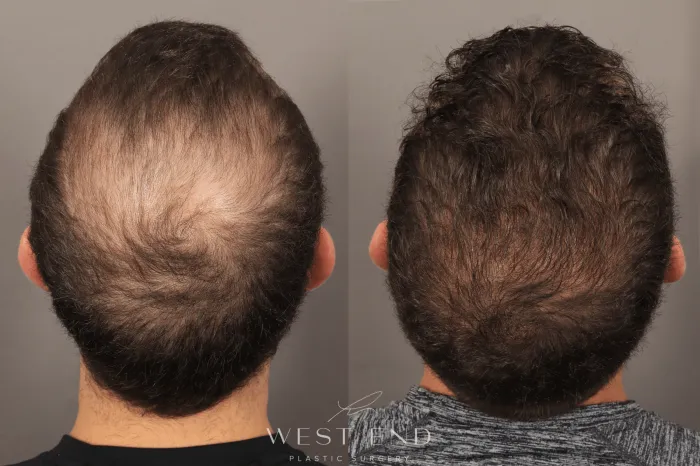
As medical tourism for hair restoration accelerates, U.S. physicians are cautioning prospective patients to weigh safety and long-term outcomes against lower upfront costs advertised abroad.
An estimated 150,000 Americans traveled overseas for hair transplant procedures in 2024, drawn largely by package deals that can cost a fraction of comparable treatments in the United States. But some specialists say the surge has been accompanied by a growing number of patients returning home with complications, unsatisfactory results, or permanent damage to donor hair.
Dr. Brett Bolton, a Fort Lauderdale–based hair restoration surgeon, reports seeing an increase in corrective cases linked to procedures performed outside the country.
“Price is what draws people overseas,” Bolton said. “Standards are what bring them back.”
Cost تفاrences Drive Demand
Turkey has emerged as one of the most heavily marketed global hubs for hair transplantation, with industry estimates suggesting roughly 500,000 procedures are performed there each year—surpassing the total number carried out in the United States. Clinics frequently promote all-inclusive medical tourism packages ranging from $2,000 to $4,000, compared with typical domestic costs of $10,000 to $15,000.
While acknowledging that not all international providers operate the same way, Bolton said patients should understand that regulatory frameworks, clinical oversight, and surgical practices can differ significantly from U.S. standards.
“In the United States, these procedures are held to medical standards where physician oversight, sterility, and anesthesia protocols are not optional,” he said. “When those safeguards are reduced, patients may be accepting a different level of care.”
Questions Over Who Performs the Procedure
One major distinction, according to Bolton, is the degree to which surgery is performed directly by licensed physicians. In some high-volume overseas clinics, he said, technicians may carry out substantial portions of the procedure, sometimes working on multiple patients simultaneously.
Hair transplantation requires careful design of the hairline, precise graft placement, and strategic management of the donor area—the region where follicles are harvested. These decisions, Bolton argues, demand medical judgment and individualized planning rather than an assembly-line approach.
“I’m responsible for every decision made during surgery,” he said. “Those are not tasks you simply delegate.”
Finite Donor Hair Raises Long-Term Concerns
Unlike many cosmetic treatments, hair transplantation relies on a limited supply of donor follicles that cannot be replenished. Overharvesting during an aggressive single session can permanently restrict future restoration options.
“The donor area is finite,” Bolton said. “Once it’s exhausted, there’s no reserve supply.”
He added that some patients who seek large-volume procedures abroad later discover they lack sufficient donor hair for additional treatments as their natural hair loss progresses.
Follow-Up Care and Accountability
U.S. medical practices typically require comprehensive preoperative evaluations, informed consent, and long-term follow-up to manage hair loss, which often continues for decades. Bolton said continuity of care can be limited in medical tourism settings, where patients return home shortly after surgery.
“Hair loss is progressive,” he explained. “Treatment should consider what a patient will need ten or twenty years from now, not just the immediate result.”
Bolton also highlighted challenges patients may face if complications arise overseas, including difficulty identifying providers, navigating foreign regulatory systems, or pursuing recourse.
Social Media’s Influence
The growth of hair transplant tourism has been fueled in part by social media marketing, influencer endorsements, and dramatic before-and-after imagery that can make procedures appear quick and risk-free.
“People see the transformation photos and assume outcomes are comparable everywhere,” Bolton said. “What they may not see is what happens a year or two later if grafts fail or the hairline looks unnatural.”
Corrective procedures, he noted, can be complex and significantly more expensive than the original surgery—and in some cases may not fully reverse the damage.
Balancing Cost and Clinical Standards
Experts emphasize that international medical care is not inherently unsafe, but advise patients to carefully research provider credentials, surgical involvement, safety protocols, and long-term treatment planning before committing to any procedure abroad.
As global demand for cosmetic treatments continues to rise, physicians say informed decision-making—rather than price alone—should guide where patients choose to undergo care.
