
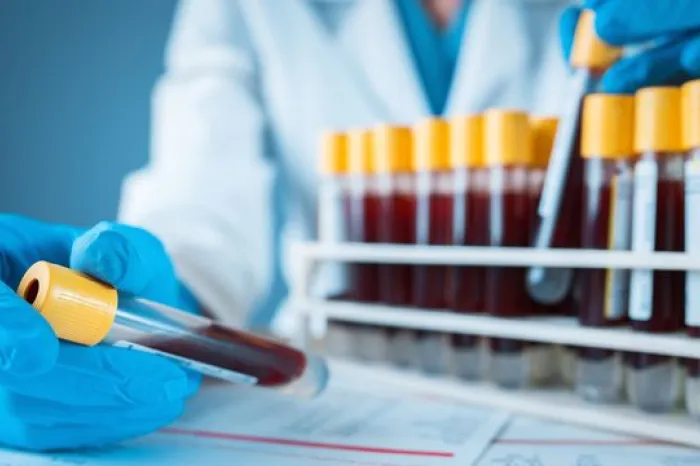
Australian researchers have made significant progress in breast cancer diagnostics by using DNA barcoding to track cancer cells from both solid and liquid biopsies. This technology employs lentiviruses to label individual cancer cells with unique DNA tags, giving scientists the ability to monitor and identify cancer cells more accurately within tumors and blood samples.
The research, carried out at several prominent institutions including the Olivia Newton-John Cancer Research Institute, WEHI, and the Peter MacCallum Cancer Centre, found that tumors can shed different amounts of DNA into the bloodstream, even when their cellular makeup is similar. This variation was revealed using an optimized DNA barcoding method. In a breakthrough, the team detected DNA barcodes from primary tumors in blood and plasma samples, marking a world-first achievement.
One notable finding is that DNA shedding varies not only with tumor size and necrosis but also across different preclinical models. For some tumors, even those described as highly metastatic, researchers observed low recovery rates of DNA barcodes in liquid biopsies. This suggests that the amount of DNA in the bloodstream depends on the tumor model in question and could potentially cause false-negative results in liquid biopsy testing.
Further examination showed that barcode diversity was higher at the center of primary tumors compared to their edges. This difference may influence how solid biopsy samples are interpreted in the clinic. According to Dr. Antonin Serrano, who was key to the study, DNA barcoding enabled a detailed investigation of the whole tumor and its biopsies, which helped quantitatively measure the diversity of cancer cells present.
The researchers conclude that while both solid and liquid biopsies generally represent tumor composition, outcomes may differ between individual tumors. By combining the two diagnostic strategies, clinicians could gain a more complete picture of the disease. This finding could improve non-invasive monitoring of breast cancer progression and guide better clinical use of liquid biopsies.
