
Recent accounts from several countries have brought global attention to the risks and potentially devastating complications associated with rhinoplasty, commonly known as nose reshaping surgery. Reports of patients facing serious health crises after seeking cosmetic procedures abroad have sparked widespread concern and raised questions about safety standards in the cosmetic surgery industry.
One case involved a woman who traveled to Ecuador for a combination of rhinoplasty and neck lift. According to her statements, the clinic did not follow standard medical safety procedures, including the absence of an anesthesiologist and monitored anesthesia care. She described waking up from surgery alone and restrained to her bed, without medical staff monitoring her airway or vital signs. The use of oral pills rather than intravenous anesthesia and staff giving her aspirin post-operation resulted in severe bleeding, requiring emergency care and multiple blood transfusions after returning to the United States. The long-term effects included difficulty breathing, facial asymmetry, and emotional trauma. The incident, widely publicized and referred to as happening in a so-called “house of horrors,” has spurred public demands for criminal investigations and regulatory action.
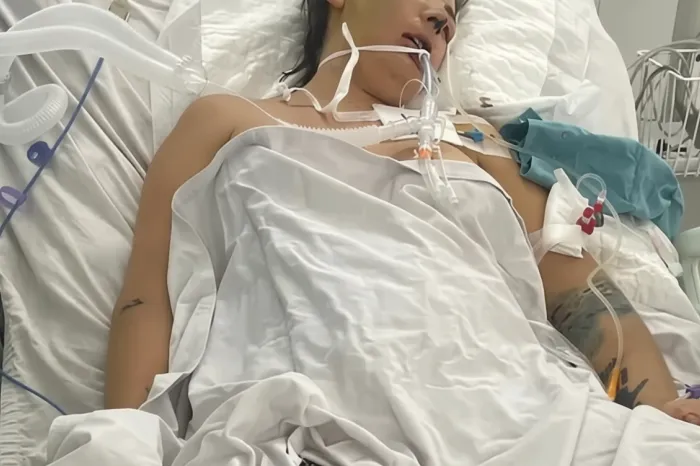
In another alarming situation, Chloe Mowday, a mother from Australia, was left in critical condition after undergoing rhinoplasty and eyelid surgery at a clinic in Da Nang, Vietnam. Shortly after being discharged, she was found unresponsive at her hotel and suffered major organ failure, requiring emergency hospitalization and life support. Despite advances in her condition, she remains in intensive care, facing a long recovery with ongoing medical complications and risk of infection. Her family has had to launch a fundraising campaign for her treatment and possible transport back home. The incident has led to calls for clearer safety regulations and better patient information about the dangers of seeking cosmetic surgery in overseas clinics.
These cases reveal a disturbing trend of patients traveling internationally in search of affordable cosmetic surgery options but encountering clinics with inconsistent safety protocols, unverified medical credentials, and insufficient aftercare. Medical experts have highlighted the necessity of regulated anesthesia practices, thorough preoperative screening, and adequate postoperative monitoring to ensure patient safety and positive outcomes. They recommend patients thoroughly research clinic credentials, review practitioner licenses, and document all procedures, including reporting adverse events to local authorities.
The surge in reports of botched cosmetic procedures has ignited a movement among medical boards and advocacy groups to push for more transparency and regulation in the cosmetic surgery industry. Experts urge patients to verify clinic reputations and warn against choosing providers solely based on cost, emphasizing that lower prices can sometimes reflect compromised safety standards and higher complication risks. Media coverage and patient testimonies continue to fuel discussions on strengthening oversight and protecting vulnerable individuals seeking cosmetic enhancements abroad.
