
Many women notice new facial hair appearing as they reach menopause, often accompanied by thinning hair on the scalp. Health experts say this is a common and normal experience linked to the hormonal changes that occur during this stage of life.
Doctors explain that menopause brings a decrease in estrogen levels, while the relative amount of testosterone rises. This shift can trigger the growth of coarse, dark facial hairs on areas like the chin, upper lip, and sides of the face. At the same time, women may notice a reduction in hair growth on their heads.
For those seeking to remove unwanted facial hair, there are several methods available. Common at-home options include waxing, tweezing, threading, and hair removal creams. Dermaplaning, a technique that shaves facial hairs using a small, safe blade, is also popular and can be performed by a professional or at home using special tools. Experts recommend being gentle with the skin and following proper directions to avoid irritation or injury.
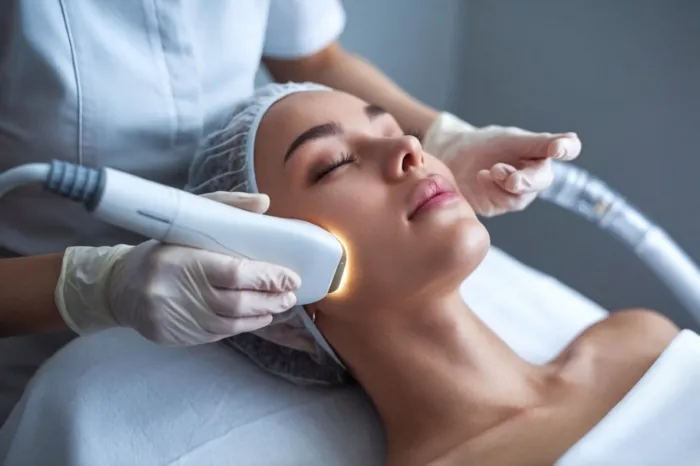
Another solution is laser hair removal, which may be suitable for darker hairs that have not turned white. This method should be discussed with a healthcare provider to ensure safety and effectiveness. Some prescription medications can also help reduce facial hair growth. These include topical creams like eflornithine and pills such as spironolactone, commonly used to treat other conditions but sometimes prescribed to slow unwanted hair.
While menopausal facial hair is not dangerous, women are encouraged to consult a doctor if they suddenly notice a rapid increase or thickening of facial hair. This could signal other health issues such as hormonal imbalances or certain medical conditions that need further investigation. Healthcare professionals stress that getting the right diagnosis is important before choosing a treatment plan for excessive facial hair.
