
Breast cancer continues to affect individuals worldwide, presenting both unique personal experiences and significant medical challenges. The journey of singer Jessie J, who publicly disclosed her early-stage breast cancer diagnosis in 2025, highlighted the importance of early detection and the emotional impact of facing the disease. Jessie J chose to share her diagnosis openly on social media, expressing how the support she received from fans helped her through difficult times. She underwent surgery and documented her recovery, showing both the struggles and moments of gratitude during her treatment. Her openness inspired others and raised awareness about breast cancer, emphasizing the need for emotional support alongside medical care.
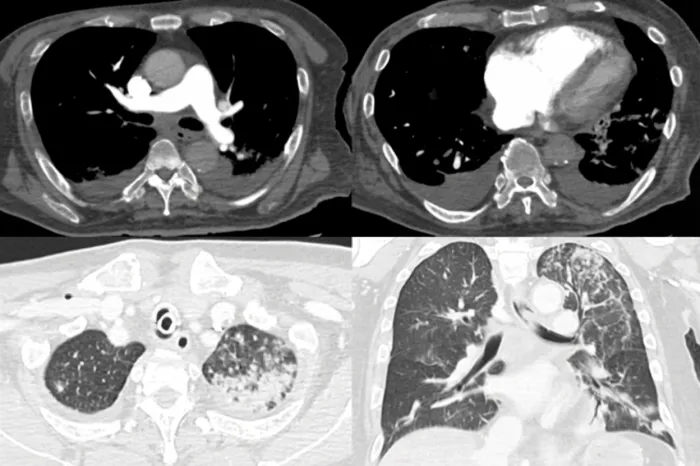
While most attention often focuses on breast cancer in women, rare cases in men also pose serious challenges. A recent report described pulmonary tumor thrombotic microangiopathy (PTTM), a rare and often fatal complication, occurring in a male patient with breast cancer. This patient, after surgery and chemotherapy, suffered from unexplained respiratory decline, right heart failure, and ultimately died shortly after hospital admission. The postmortem examination revealed classic features of PTTM, underlining the importance of considering this diagnosis in breast cancer patients—regardless of gender—when rapid respiratory deterioration and pulmonary hypertension occur. Early suspicion may help guide appropriate treatments, though PTTM remains difficult to identify before death.
Clinically, diagnosing rare conditions like PTTM is challenging due to nonspecific symptoms and imaging findings. In the case report, common signs included elevated tumor markers, worsening breathing, and changes seen on computed tomography scans, but no clear evidence of traditional blood clots in the lungs. Despite intensive medical care, the patient’s condition deteriorated quickly, and only autopsy confirmed the cause. The rarity of male breast cancer often leads to under-recognition of such complications. However, medical literature suggests that increasing awareness can help clinicians act quickly when faced with similar symptoms.
In addition to individual cases and complications, breast cancer research has produced breakthroughs that transformed patient outcomes, especially for HER2-positive metastatic disease. The CLEOPATRA trial, launched over a decade ago, tested the effect of combining two targeted medicines—trastuzumab and pertuzumab—alongside chemotherapy. Results showed a dramatic improvement in both progression-free and overall survival for patients with HER2-positive metastatic breast cancer. The trial established a new standard for first-line treatment, allowing many to live much longer than before and shaping the way doctors manage the disease. The CLEOPATRA trial also influenced treatment expectations and strategies, encouraging combinations of therapies for greater effectiveness.
Safety and tolerability were important features of the CLEOPATRA regimen, with manageable side effects and no significant rise in heart-related risks. Its legacy persists as the foundation of current treatment for HER2-positive metastatic breast cancer. New therapies continue to emerge, but the trial’s impact remains central to how the disease is treated today. Breast cancer research and personal stories demonstrate ongoing progress, complex challenges, and the value of sharing experiences to inspire and inform.
