
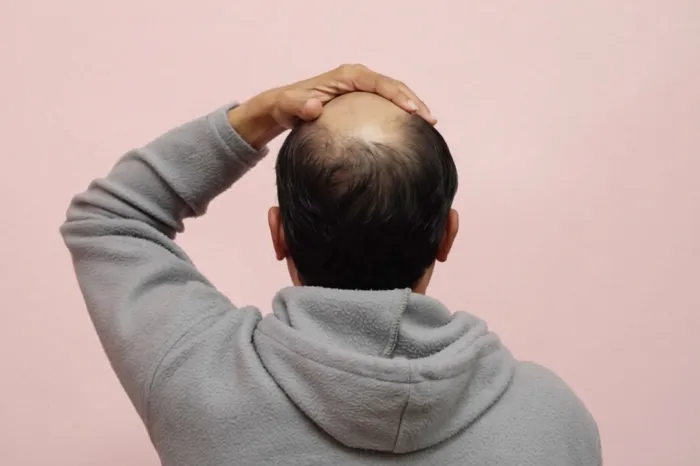
A wave of new scientific research is renewing hope for effective hair regrowth treatments, as researchers turn their focus to awakening dormant hair follicles instead of replacing lost hair. After decades of minimal progress and skepticism, experts suggest that the field of baldness treatment may be entering a promising new era.
Unlike past approaches that often failed to deliver lasting results, recent studies show scientists using innovative techniques aimed at reactivating existing hair follicles. One of the most watched projects comes from US biotech firm Pelage, which is developing PP405, a topical drug designed as a gel or cream for at-home use. This treatment avoids both injections and surgical procedures. According to Pelage’s chief medical officer, Dr Christina Weng, the first safety tests in humans have produced excellent outcomes.
The key to this new method is targeting stem cells within hair follicles. Dr William Lowry, a stem cell biologist at the University of California, Los Angeles, explained the process behind the product. In healthy cycles, stem cells wake up, make new hair cells quickly, and then return to a resting state. For those experiencing balding, this reset doesn’t occur, leaving hair growth stalled.
Experts point out that hair loss is caused by many factors, including aging, stress, hormones, and genetics. Among these, a chemical called DHT plays a central role by shortening hair cycles and making hair thinner. Previous treatments tried blocking testosterone directly to stop DHT, but this approach can be risky due to the hormone’s essential roles elsewhere in the body. Now, scientists prefer therapies that steer around hormones and focus on cell regeneration.
Some research teams have tested stem cell–based treatments, such as injections of stem cell–rich fat, but these methods are costly and their effects often fade. Current research highlights the influence of signals sent by cells, which may guide hair growth without the need for complicated procedures. Topical treatments, which are simpler to use and cheaper to test, are gaining attention. For instance, early studies from Pakistan and the UK found that a naturally occurring sugar, 2-deoxy-D-ribose, restored hair growth in mice as effectively as established treatments. Human trials are planned for the future.
While previous attempts aimed for quick and dramatic results, today’s hair regrowth science is more careful and focused on understanding the underlying mechanisms. Whether these cautious but creative efforts finally deliver cures for baldness remains to be seen, but the renewed energy in the field has offered fresh hope to millions looking for new solutions.
