For many, weight-loss injections such as GLP-1s have achieved what diet and exercise alone could not. These drugs, which mimic a natural hormone that controls hunger, can help people lose weight by suppressing the constant signals that make them want to eat—even when full.
But questions remain about long-term use. Can people stay on these medications indefinitely? And what happens if they stop? The answers are still unclear, as the long-term side effects of GLP-1 drugs are only now starting to emerge.
In the UK, approximately 1.5 million people pay for these injections out-of-pocket, making long-term use an expensive commitment.
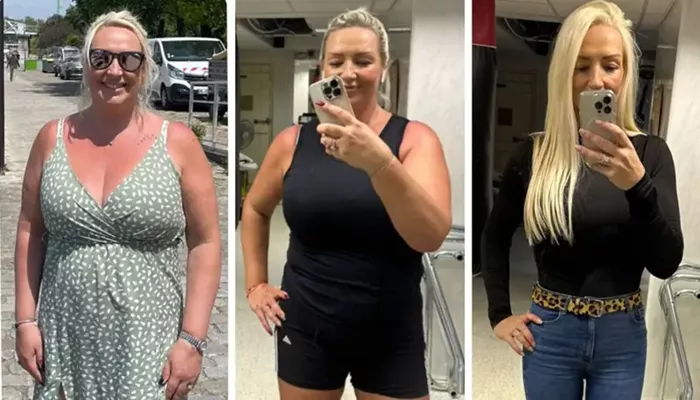
Two women share very different experiences with stopping their weight-loss medications, highlighting the challenges and uncertainties.
Tanya Hall: A Life Changed by Wegovy
Tanya Hall, a sales manager at a large fitness company, began using Wegovy to see if losing weight would change how people treated her. She believed colleagues didn’t value her opinions because of her body size. After starting the injections, she noticed more respect and recognition at work.
The journey was not without side effects. In the early months, she experienced insomnia, nausea, headaches, and hair loss—likely linked to rapid weight loss. Despite this, she lost six stone (38 kg) over 18 months.
Yet every attempt to stop the medication led to overwhelming hunger within days. Tanya now faces a difficult choice: continue taking the drug with its side effects, or stop and risk regaining weight.
Ellen Ogley: Finding Control with Mounjaro
Ellen Ogley reached a turning point when her weight put her health at serious risk. An emotional binge eater, she found it nearly impossible to control her eating until she started Mounjaro. For 16 weeks, the injections suppressed her hunger, allowing her to adopt healthier eating habits and exercise regularly.
After gradually tapering off the medication, Ellen lost 3 stone 7 pounds (22 kg). Some weight did return after stopping, but with support and new lifestyle habits, she remains in control and has lost a total of eight stone (51 kg).
Medical Insights
Dr. Hussain Al-Zubaidi, a lifestyle GP, warns that stopping GLP-1 drugs can feel like “jumping off a cliff.” Patients often regain 60–80% of the weight they lost within one to three years without structured support.
The UK’s medical watchdog, NICE, recommends at least one year of follow-up care and personalized action plans after discontinuing treatment. However, patients paying privately, like Tanya and Ellen, may not always have access to such guidance.
“Obesity is not a GLP-1 deficiency,” Dr. Al-Zubaidi notes. “Without lifestyle support and an exit plan, stopping these medications can trigger an unhealthy relationship with food.”
For Tanya, remaining on the medication feels like the safest choice despite the drawbacks. Ellen, on the other hand, has successfully closed that chapter and continues her weight-loss journey with lifestyle habits she can maintain.
Pharmaceutical companies, including Novo Nordisk and Eli Lilly, emphasize that treatment decisions should be made in consultation with healthcare providers, with patient safety as the top priority.
Related topic:
- Acupuncture May Improve Breast Cancer-Related Cognitive Difficulties, Study Finds
- Cannabis-Derived Drugs Could Lead to New Treatments for Ovarian Cancer
- Study Suggests Cocoa Compound Could Promote Anti-Aging