
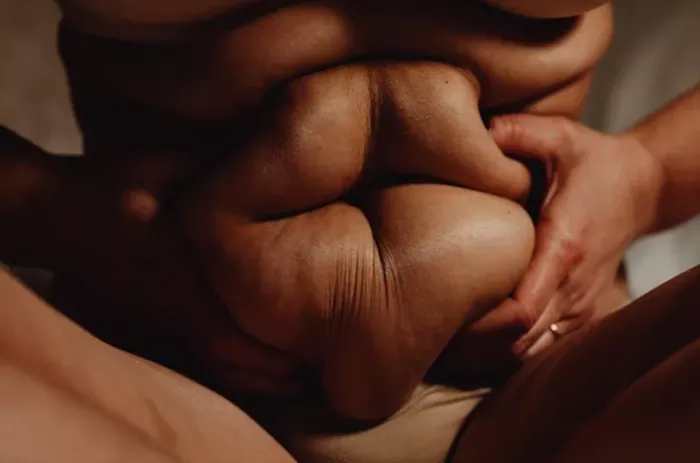
South African women are increasingly embracing cosmetic procedures once considered the exclusive domain of celebrities. What was once a private choice is now part of a broader conversation about self-confidence, body agency, and personal healing.
For many, the tummy tuck—also known as abdominoplasty—has become a powerful way to reclaim their bodies after life events that leave lasting physical changes. The procedure is gaining popularity among Black African women, who are openly choosing to restore their confidence on their own terms.
Leading this shift is Professor Chrysis Sofianos, a respected figure in aesthetic and reconstructive surgery.
“Cosmetic surgery is less about vanity and more about feeling at home in your own skin again,” he says.
“It’s often an important investment in self-worth, confidence, and acceptance. Tummy tucks, especially after pregnancy or significant weight loss, are one of the most effective tools we have for body restoration.”
What Is a Tummy Tuck?
A tummy tuck removes excess skin and fat from the abdomen while tightening weakened or separated abdominal muscles, leaving a smoother, firmer, and more contoured silhouette. Professor Sofianos customizes each procedure, often combining it with targeted liposuction to sculpt the waist and flanks for balanced results.
He performs two main types of tummy tucks:
Mini tummy tuck: Ideal for patients with minimal skin laxity below the belly button. It involves a smaller incision and faster recovery.
Full tummy tuck: Designed for those with excess skin across the entire abdomen. This procedure often includes muscle repair and repositioning of the belly button.
Professor Sofianos emphasizes that a tummy tuck is not a weight-loss solution but a definitive answer for loose, stretched skin that diet and exercise cannot fix.
“Many women do everything right, but their skin has been stretched beyond its ability to retract,” he explains.
“In those cases, a tummy tuck is the only way to remove excess skin and reveal the body they’ve worked so hard to achieve.”
Challenging Myths About Cosmetic Surgery
Professor Sofianos and his team are also challenging outdated beliefs that cosmetic surgery is not for Black women. They aim to debunk several persistent myths:
“Black women don’t undergo cosmetic surgery.” Increasing numbers of African women, particularly urban professionals and mothers, are including aesthetic surgery as part of their self-care journeys.
“Cosmetic surgery is only for Western beauty ideals.” Today’s patients seek to refine and restore their natural features, celebrating their unique beauty while boosting confidence.
“It’s not safe for Black skin.” While certain risks like keloid scarring exist, Professor Sofianos’ expertise ensures a safe and tailored approach. “Understanding different skin types and healing patterns is key,” he says.
South African women are now embracing tummy tucks not as a luxury, but as a tool of empowerment—a choice to invest in themselves and step into a body confidence they deserve.
Related topic:
