
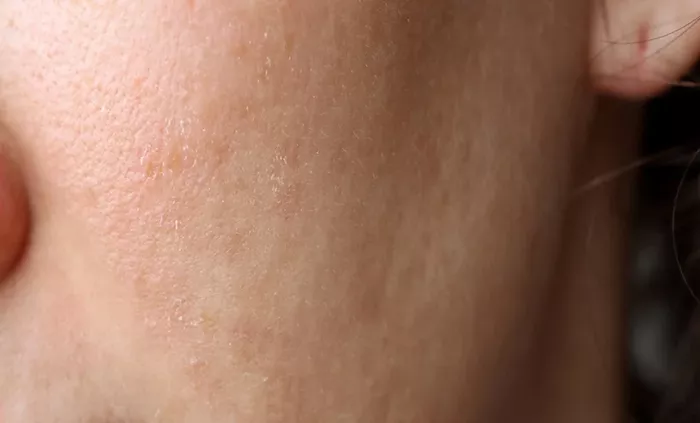
Women with eczema and other atopic skin conditions may face higher risks of complications after breast reconstruction, according to a new study led by researchers in Texas. The findings underscore the importance of considering underlying inflammatory skin disorders when planning implant-based procedures.
One of the most common and challenging post-reconstruction issues is capsular contracture, a tightening of the scar tissue around a breast implant. While infection, radiation, and certain patient factors are known risks, the impact of atopic diseases has remained unclear. Because conditions like eczema and dermatitis involve skin barrier defects and immune dysregulation, researchers hypothesized they could contribute to post-surgical inflammation or fibrosis.
Large-Scale, Multi-Year Analysis
The study analyzed national data from 2002 to 2022, focusing on female breast cancer patients aged 18 and older who underwent implant-based reconstruction. Patients were divided into two groups: those with a history of eczema, dermatitis, or allergic skin disorders, and those without. Researchers used propensity score matching to ensure the groups were comparable in demographics, comorbidities, and cancer treatments, including radiation, chemotherapy, hormone therapy, and steroid use.
After matching, each group included 10,205 patients. Compared with women without atopic conditions, those with skin allergies had a 20% higher risk of overall implant complications and capsular contracture at two and three years post-surgery. They also faced higher rates of revision surgery, implant removal, and rupture, with infection risk elevated at every follow-up.
Implications for Surgical Planning
The study’s authors say preexisting atopic skin disease is an underrecognized but significant risk factor for implant-related complications. They recommend that surgeons include dermatologic history in preoperative evaluations and counsel patients about the potential for higher complication rates.
By identifying at-risk groups, clinicians can better tailor surgical strategies, optimize post-operative care, and improve long-term outcomes for breast cancer patients undergoing reconstruction.
Related topic:
