
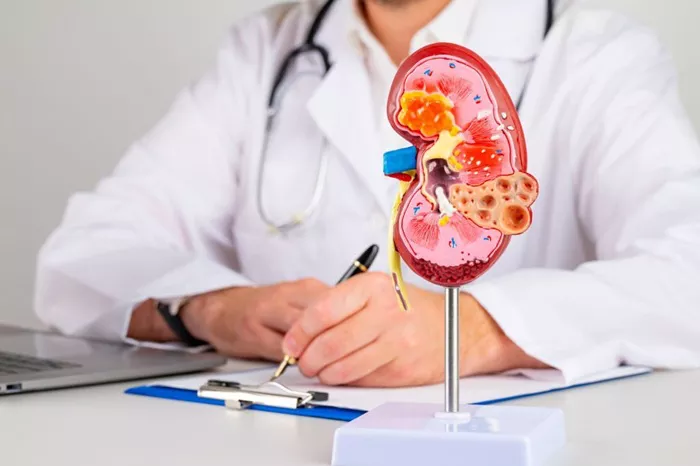
Kidney stones are notorious for their intense pain. A sharp stab in the lower abdomen, a dull ache radiating from the back to the groin, and a burning sensation during urination are common experiences.
“Many people also experience nausea, vomiting, blood in the urine, or severe pain just under the ribs or on the side,” says Dr. Ryan Steinberg, urologist and clinical assistant professor at University of Iowa Health Care. “Any stone, regardless of size, that blocks the kidney’s drainage can cause extreme pain.” Some patients even describe it as worse than childbirth.
Beyond discomfort, kidney stones can have serious health implications. “Symptoms can lead to emergency room visits, hospitalizations, and unplanned surgery,” says Dr. Gregory Tasian, director of the Pediatric Kidney Stone Care Improvement Network at Children’s Hospital of Philadelphia. “They are also linked to higher risks of chronic kidney disease, fractures, hypertension, and cardiovascular disease.”
Kidney stones are more common than many realize. About 11% of men and 9% of women experience them, according to the National Kidney Foundation.
What Are Kidney Stones?
Kidney stones, or renal calculi, are hard deposits formed from excess salts and minerals in urine. “They are literally tiny rocks that develop when these substances can’t dissolve, forming crystals that clump together,” explains Steinberg.
There are four main types: calcium oxalate (the most common), uric acid, struvite, and cystine. Type depends on chemical imbalances and existing medical conditions. Stones vary in size, typically around 5–6 millimeters—about the size of a pencil eraser—but can range from tiny grains to stones that fill the entire kidney, says Tasian.
What Causes Kidney Stones?
Kidney stones often begin as small crystals on the kidney lining, sometimes unnoticed for months or years. When crystals grow or move into the ureter, they block urine flow, causing severe pain, burning, or vomiting, says Tasian.
High concentrations of certain substances in urine usually trigger stone formation.
Calcium: Hypercalciuria, caused by excessive sodium or animal protein intake, abnormal calcium absorption, or kidney defects, increases the risk.
Oxalate: Hyperoxaluria may result from genetic disorders or diets rich in oxalate-containing foods like spinach, nuts, chocolate, or rhubarb. Dehydration and obesity can also raise oxalate levels.
Other risk factors include cystic fibrosis, inflammatory bowel disease, recurrent urinary tract infections, and certain medications, Steinberg adds.
Prevention and Treatment
Kidney stones are often preventable. Maintaining a healthy weight, limiting sodium and processed foods, and staying well-hydrated are key measures.
Most stones pass naturally or with medication. Thiazide diuretics, alkali therapy, and uric acid–lowering agents have been used safely for decades, says Tasian.
Surgery is sometimes necessary. “If stones are too large, cannot pass, or cause severe pain, minimally invasive procedures can break them up so they can pass more easily,” explains Steinberg.
“Consulting a urologist is the best approach,” Tasian emphasizes. “They can guide you through treatment options, relieve pain, and help prevent future stones.”
Related topic:
