
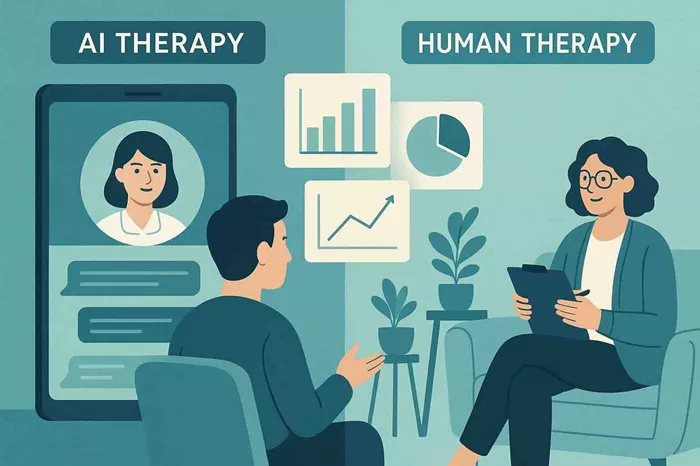
AI mental health apps are no longer just giving advice to people. They are now also checking how well human therapists are doing their job. This is a new use of AI in the mental health field.
Normally, people go to therapists for psychological support. But some are starting to use AI tools to see if their therapist’s advice makes sense. AI acts like a helper to make sure people get the right guidance from human experts.
Not all therapists are happy about this. Many feel uncomfortable being judged by a machine. They believe it’s unfair and not appropriate for AI to watch and assess their work.
Therapists also worry this trend could disrupt the important relationship between them and their patients. If clients rely too much on AI, therapy might turn into confusion and disagreement instead of healing.
On the other hand, AI offers some benefits. It can give people mental health support anytime and anywhere, often at low or no cost. Human therapists cannot be available all the time. Therapists should accept AI’s role and learn how to work with it.
Clients sometimes use AI openly or secretly. In open use, the therapist knows and talks about the AI’s input. In secret use, clients check with AI without telling their therapist, fearing negative reactions.
Therapists should prepare for both situations. Knowing how AI works will help professionals explain its limits and avoid conflicts. Ignoring AI is not realistic today because it is becoming more common.
In the future, AI may also be used by healthcare providers to monitor therapists. While this can keep standards high, it raises questions about fairness and accuracy. Therapists need to stay alert and engage with these changes.
AI’s presence in mental health is here to stay. Mental health therapists must embrace this reality and work with AI to improve care, not fight against it. Clients and therapists alike can benefit from thoughtful use of AI as part of therapy.
Related topics
