
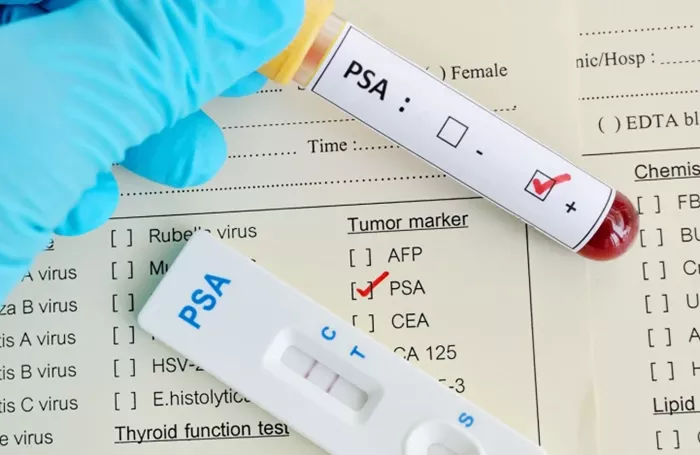
Prostate cancer continues to be the second most frequently diagnosed cancer among men worldwide and ranks as the fifth leading cause of cancer-related death. Risk factors include advancing age, family history, and certain ethnic predispositions. Early detection relies primarily on PSA testing and digital rectal examination, with elevated PSA levels or abnormal physical findings prompting prostate biopsy for definitive diagnosis. Traditionally, the transrectal approach has been the standard method. However, this route carries inherent risks, including rectal bleeding and post-procedural infections, leading to increasing interest in transperineal biopsy techniques.
Study Design and Patient Population
At the IURES 2025 Congress, researchers from SBU Sincan Training and Research Hospital presented findings from a single-centre clinical study evaluating transperineal prostate biopsy under local anaesthesia. The study included 34 patients, with the median age of 64 years. The median PSA value among participants was 10.15 ng/mL, and the average prostate volume was 70.4 mL, resulting in a PSA density of 0.138 ng/mL². The primary objective was to assess safety, patient comfort, and diagnostic effectiveness compared with the traditional transrectal method.
Key Findings and Outcomes
Histopathological analysis confirmed prostate adenocarcinoma in seven patients. The procedure demonstrated a mean pain score of 4.9, indicating moderate tolerability, and the average biopsy duration was approximately 25 minutes. The mean International Prostate Symptom Score (IPSS), which evaluates urinary function, was 13.3. Importantly, the study reported no major complications, emphasizing the safety profile of the transperineal approach.
Clinical Implications
The research team concluded that performing transperineal prostate biopsy under local anaesthesia is both safe and effective. This method provides several advantages over the transrectal route, including reduced risk of infection and bleeding by avoiding the rectal wall, as well as improved access to anterior prostate regions that can be challenging to sample via transrectal techniques. These findings support transperineal biopsy as a reliable alternative that may enhance patient comfort and diagnostic precision in routine urological practice.
Future Perspectives
Given the safety and tolerability demonstrated in this study, wider adoption of local anaesthesia-based transperineal biopsy could reshape prostate cancer diagnostics. The procedure’s ability to combine patient comfort with accurate histological sampling aligns with current trends in minimally invasive urological care. Ongoing research will be necessary to validate these findings across larger, multicentre populations and to further refine procedural protocols.
Conclusion
In summary, transperineal prostate biopsy performed under local anaesthesia represents a significant advancement in prostate cancer diagnosis. By minimizing complications and improving patient experience without compromising diagnostic accuracy, this approach offers a compelling alternative to conventional transrectal biopsy methods. The study presented at IURES 2025 adds to a growing body of evidence supporting the clinical utility of this technique in modern urology.
Related topics
Maximizing Refrigerator Efficiency: Tips for Safe Food Storage and Health
Enhancing Nutrition and Well-being by Choosing Healthier Food Alternatives
