
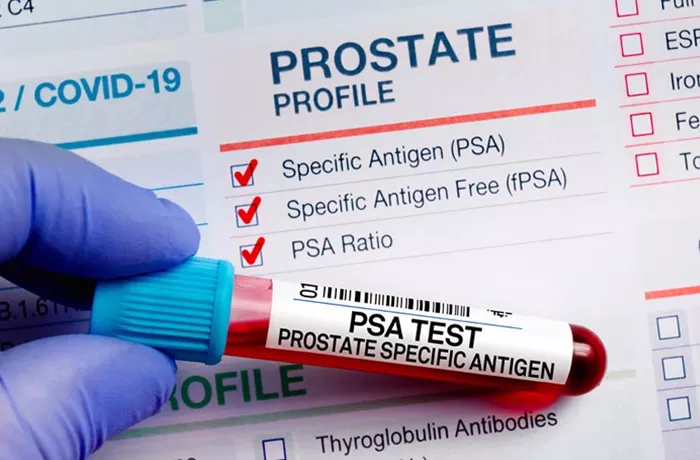
The prostate-specific antigen (PSA) test is a diagnostic blood test that measures the concentration of PSA, a protein produced by the prostate gland. Elevated PSA levels can indicate various prostate-related conditions, such as prostate cancer, benign prostatic hyperplasia (BPH), or prostatitis (inflammation of the prostate). PSA testing serves as a crucial tool in early detection, monitoring, and management of prostate diseases.
Purpose and Significance
Prostate cancer ranks as the second leading cause of cancer-related deaths among men worldwide. Healthcare professionals frequently recommend PSA testing for early screening, especially in individuals at increased risk of developing prostate cancer. Identifying potential abnormalities early can significantly improve treatment outcomes and survival rates.
Risk Factors for Prostate Cancer
You may be more likely to develop prostate cancer based on several contributing factors:
- Age: Risk increases substantially after age 50.
- Family History: Having a close relative with prostate cancer raises your likelihood.
- Race: Black men have a higher risk and may develop the disease at a younger age.
Doctors may also recommend PSA testing if you experience symptoms such as painful or frequent urination, blood in urine or semen, loss of bladder control, or persistent lower back pain.
Understanding PSA Test Results
PSA results are typically available within a day, often accessible through an online patient portal or directly from your healthcare provider. PSA concentration is expressed in nanograms per milliliter (ng/mL). Generally, a level exceeding 4.0 ng/mL is considered higher than normal, but interpretation may vary depending on age and other factors.
Interpreting High PSA Levels
While an elevated PSA level may indicate prostate cancer, it is not diagnostic on its own. Your doctor may schedule a repeat PSA test within six to eight weeks to confirm initial results, especially if you have no symptoms. Further testing could include:
- Digital Rectal Exam (DRE): A physical assessment of the prostate for lumps or irregularities.
- Urine Tests: Used to detect infections that may explain PSA elevation.
- Prostate Biopsy: Small samples of prostate tissue are collected to check for cancer cells. This remains the only definitive diagnostic method.
- Magnetic Resonance Imaging (MRI): Produces detailed images to detect prostate abnormalities.
Preparation Before the Test
Proper preparation helps ensure accurate PSA test results. Your healthcare provider may advise avoiding activities or substances that can temporarily raise PSA levels for 24 to 48 hours before testing. These include:
- Sexual activities, including ejaculation or masturbation
- Strenuous exercise such as cycling
- Certain medications that affect PSA, including Propecia (finasteride) and Avodart (dutasteride)
Always consult your doctor before stopping prescribed medications. Wear comfortable clothing to allow easy access to your arm, and consider bringing a companion if you experience anxiety during blood draws. It is also advisable to verify test coverage with your health insurance provider.
How the PSA Test Is Performed
The PSA test is a simple and quick blood draw, usually completed within five minutes. A healthcare professional or phlebotomist collects a blood sample from a vein in your arm.
During the Procedure
The procedure involves the following steps:
- The skin is cleaned with an antiseptic solution.
- An elastic band is applied to the upper arm to fill the vein.
- A needle is inserted to draw blood into a collection tube.
- Afterward, the band and needle are removed, and a small dressing is applied.
After the Test
You can resume normal activities immediately after the test. However, if you are prone to dizziness or weakness after blood draws, ask someone to accompany you home for safety.
Risks and Possible Complications
The PSA test is considered safe and minimally invasive. Common minor side effects include slight pain or bruising at the needle site. Rarely, complications such as excessive bleeding, infection, nerve injury, or persistent pain may occur. If these symptoms persist, contact your healthcare provider promptly.
Conclusion
In summary, the PSA test is an essential screening tool that measures prostate-specific antigen levels to assess prostate health. Elevated PSA values may suggest prostate cancer or other benign conditions, warranting further diagnostic testing. Early and accurate evaluation through PSA testing helps guide timely treatment decisions and supports better long-term outcomes for men’s health.
Related topics
