
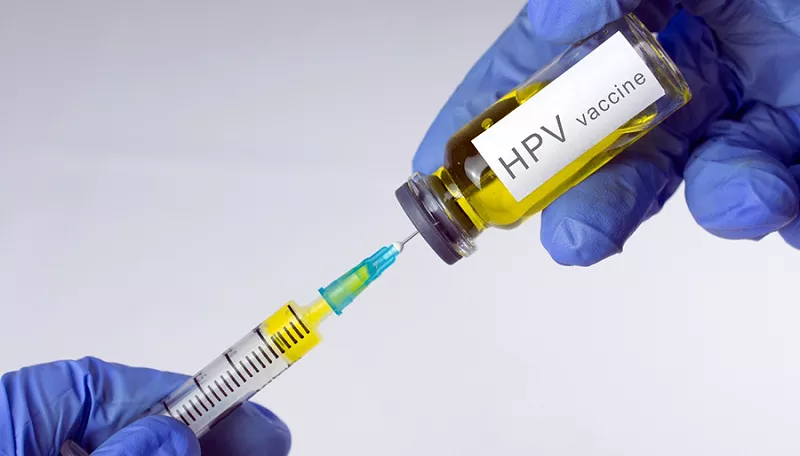
The fall campaign marked Pakistan’s first nationwide effort to administer the human papillomavirus (HPV) vaccine, which protects girls from cervical cancer. The vaccine is highly effective and is routinely given in about 150 countries. It was offered for free to girls aged 9 through 14 in schools and other sites, aiming to prevent future HPV infections and related cancers.
Public Response and Challenges
Vaccination teams encountered significant resistance from some parents. Questions centered on why only girls are targeted, concerns about fertility and future childbearing, and skepticism toward involvement by international organizations such as Gavi, UNICEF, and the World Health Organization. Health experts said there is no data linking the vaccine to infertility, a concern amplified by online rumors.
Local Perspectives
Rehana Khan Abbasi, a vaccinator in Bhara Kahu, Islamabad, described repeated outreach attempts to persuade families. One hesitant mother cited online fertility rumors, and some husbands refused consent. Officials had set a goal to vaccinate about 90% of roughly 13 million eligible girls, but actual uptake was around 70%, according to Khurram Akram of the Pakistan Federal Directorate of Immunization.
Public Health Communications
The campaign faced widespread misinformation fueled by social media and longstanding vaccine skepticism in Pakistan and neighboring Afghanistan, a region where wild polio remains a concern. Campaign messaging emphasized non-sexual transmission pathways and broader benefits to women’s health, while addressing cultural sensitivities around discussing sexuality.
Operational Hurdles
In Bhara Kahu, some schools returned permission forms marked “no” before vaccinators could meet families, and school administrators occasionally blocked entry. Door-to-door outreach was used to address fears, with staff highlighting safety and general health benefits rather than focusing solely on sexual transmission.
Voices from the Community
Fatima Khan, 13, received the HPV vaccine after explaining to her mother that she had researched its importance. Adil Hussain, 36, accompanied his daughter to a clinic after initial delays at her school, arguing that routine vaccination had been common in their family’s medical history.
Implications for Future Campaigns
The experience underscores the difficulty of implementing public vaccination programs where misinformation and cultural factors influence acceptance. Officials hope that sustained outreach, transparent communication, and involvement of trusted community figures will improve uptake in future HPV vaccination efforts.
Related topics
