
Studies presented at the 20th European AIDS Conference (EACS 2025) in Paris highlight the necessity for customized cancer screening approaches for people living with HIV. The data indicate earlier and more advanced prostate cancer in men with HIV, higher anal and cervical cancer risk among women with low nadir CD4 counts, and gaps in liver cancer screening among those with HIV who do not have cirrhosis despite risk factors. The findings also reveal a disconnect between perceived risk and actual HPV-associated cancer prevalence among women with HIV, particularly for anal cancer.
Prostate cancer
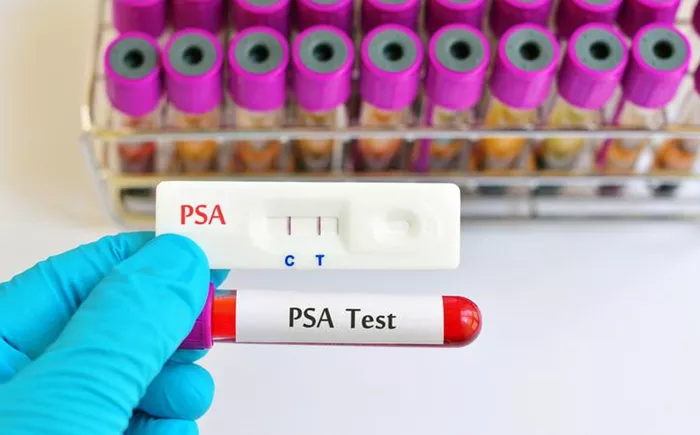
Prostate cancer remains the most commonly diagnosed cancer in European men. However, a review of Europe-wide diagnosis patterns through 2017 shows substantial variation in diagnostic rates driven by differences in PSA testing practices. PSA testing has limitations: some aggressive cancers may be missed without timely evaluation, while others may not require immediate intervention if monitored carefully. Conversely, some men with HIV develop prostate cancer despite low PSA levels.
A German study across 16 HIV clinics identified 161 men with HIV who were diagnosed with prostate cancer. The median age at diagnosis was 61 years, younger than the general population’s median of 71. At diagnosis, the median PSA level was 17 ng/mL, and 26% had metastatic disease. Metastatic disease was more likely in men with CD4 counts below 500 cells/μL (p=0.05). Outcomes showed that, at diagnosis, 59% of cases were deemed high risk for progression, with no significant difference in progression-free survival across treatment modalities (active monitoring, prostatectomy, or radiotherapy). Overall survival was poorer after radiotherapy when adjusted for age, HIV duration, and CDC stage, although only one death was directly attributed to prostate cancer.
German researchers recommend initiating PSA screening at age 45 for men with HIV, aligning with newer German guidelines for all men. If PSA exceeds 3 ng/mL, further diagnostic workup is advised, with re-testing within two years for PSA levels between 1.5 and 3 ng/mL.
Anal cancer screening in women with HIV
International guidelines advocate anal cancer screening for women with HIV over age 45, but the uptake and patient attitudes toward screening are variable. A prospective study at Padua University Hospital in Italy offered screening to 331 women. About 45% declined participation, primarily due to perceived low risk or lack of anal sex history (25%), prolonged periods without sexual activity (12%), or a desire to avoid screening (28%). Acceptance was higher among those vaccinated against high-risk HPV or with a history of HPV-related diseases other than anal cancer.
Screening involved HPV DNA testing and Pap smears, with referrals for anoscopy if results were positive. Among 144 positive test results, 8 women (5.9%) were diagnosed with anal cancer. High-risk HPV genotypes were present in 94 of 154 tested. Older age and lower nadir CD4 counts significantly increased anal cancer risk. Dr. Maria Mazzitelli emphasized the need to raise awareness that anal cancer risk remains high regardless of anal sex history and to prioritize those at greatest risk for screening and prevention.
Cervical cancer screening
Women with HIV face a higher risk of cervical intraepithelial neoplasia (CIN) and cervical cancer. While guidelines agree on regular screening, they differ on frequency and prioritization. A Netherlands-based study reviewed cervical screening outcomes for women with HIV treated between 2000 and 2023. Among 2,764 screened women, there were 246 CIN2+ cases (incidence rate 13.5 per 1,000 person-years), 121 CIN3+ cases (6.3 per 1,000 person-years), and two cervical cancers (9.9 per 100,000 person-years).
Shorter duration of viral suppression correlated with higher CIN risk. Women virally suppressed for less than two years had CIN2+ and CIN3+ incidence markedly higher than those suppressed for more than five years. A nadir CD4 count below 200 further increased CIN risk, and a CD4 count below 500 at screening raised CIN2+ risk. The researchers suggest prioritizing screening for younger, recently diagnosed women with low CD4 counts and those recently virally suppressed to enhance detection of cervical abnormalities.
Liver cancer screening
Individuals living with HIV and viral hepatitis face higher hepatocellular carcinoma (HCC) risk and poorer survival after HCC diagnosis. In 2024, EACS recommended six-monthly HCC screening for people living with HIV and hepatitis B co-infection who have cirrhosis or additional risk factors (age >45, hepatitis delta, certain ethnic origins, or PAGE-B score ≥10 indicating intermediate or higher risk).
Dr. Juan Berenguer presented multicenter data from Spain, Germany, and Poland involving 1,308 people with HIV and hepatitis B on treatment. The median age was 55; 85% were male, 35% were born outside Europe, and 85% were on TAF or TDF. Most (83%) had undetectable HBV DNA, and half had a PAGE-B score ≥10. Among those eligible for HCC screening, only 28% had been screened. Screening was more common among those with cirrhosis (66%) than those without (24%), with notable regional variation: Spain showed the highest uptake among non-cirrhotic individuals (15%), while Germany (35%) and Poland (28%) were higher. Among patients with cirrhosis, screening rates ranged from 48% (Germany) to 72% (Spain).
Overall, the findings demonstrate substantial gaps in adherence to recommended HCC screening, particularly among non-cirrhotic patients, underscoring the need for clearer risk-based strategies and targeted implementation to improve coverage.
Implications for clinical practice
The presented studies support a tailored, risk-based approach to cancer screening in people with HIV. Key implications include initiating age- and risk-appropriate PSA screening earlier in men with HIV, enhancing education and outreach around anal cancer risk for women with HIV, prioritizing cervical cancer screening for those with shorter viral suppression durations and lower CD4 nadirs, and improving uptake of liver cancer screening among patients with HBV co-infection, regardless of cirrhosis status.
These findings call for harmonized guidelines that address HIV-specific cancer risk factors and for health systems to implement outreach strategies that improve screening uptake in high-risk subgroups.
Related topics
