
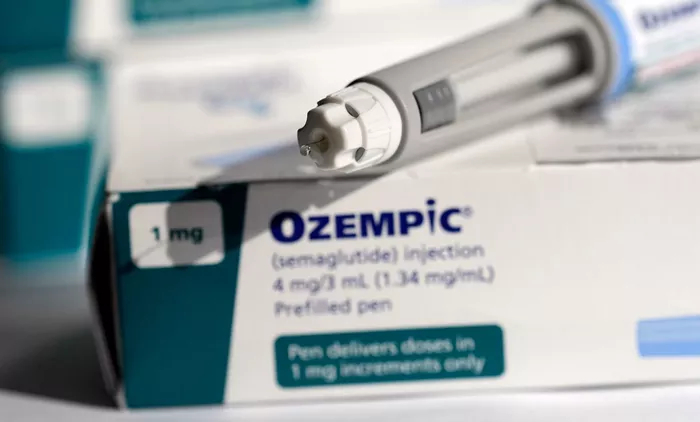
The blockbuster weight loss and diabetes drug market is accelerating. Lilly and Novo Nordisk are expanding supply, exploring new uses for their medicines, and preparing a wave of obesity drugs that could include easier-to-take pills.
A growing list of competitors—from biotech startups to global drugmakers—also aims to capture a slice of the market, which analysts say could reach roughly $100 billion by 2030. Yet access and affordability remain unsettled questions, along with the roles of copycat versions and oral pills.
Lilly leads the injections market, with U.S. demand showing little sign of slowing. The company said in its latest earnings that its share increased for a fifth straight quarter, and its injectable obesity and diabetes medicines now account for about six in every ten prescriptions in that class.
Novo Nordisk, once the market pace-setter, has faced supply issues and the rise of compounded alternatives that complicate its path to broader adoption. Analysts say Lilly’s injections have demonstrated superior safety and efficacy, contributing to its growing lead.
As competition tightens, both companies are focusing on boosting manufacturing capacity, testing new uses, and bringing the next generation of obesity drugs to patients—potentially including more convenient pills. McKinsey projects 25 million to 50 million U.S. patients could need GLP-1 treatments by 2030, underscoring the scale of opportunity.
Access remains uneven. Some insurers, including Medicare, do not cover GLP-1s for obesity, with monthly costs around $1,000 before rebates. Both Lilly and Novo Nordisk have rolled out cash-discount programs, and employer coverage is expanding as GLP-1s prove benefits beyond weight loss, such as improvements in sleep apnea, kidney disease, and cardiovascular risk. Despite these gains, many patients still encounter barriers, and “copycat” or compounded GLP-1s are a continued risk to brand protection and pricing.
The compounding issue persists. Novo Nordisk argues it is more vulnerable to copycats than Lilly, given its greater reliance on semaglutide in several products. Regulators have moved to curb compounding, and the FDA’s enforcement has limited but not eliminated the practice. The result is a patchwork of access that depends on pricing, coverage, and enforcement.
Oral obesity drugs could reshape the market. Novo Nordisk is eyeing an oral version of semaglutide, while Lilly is advancing orforglipron, a small-molecule drug. Analysts see pills as potentially broadening reach, especially for needle-averse patients and those who struggle with injections. Still, questions about comparative effectiveness, tolerability, and patient willingness to switch from injections persist. Goldman Sachs projects oral pills could capture about 24% of the 2030 weight loss drug market.
Pricing remains a central concern. Direct-to-consumer programs and discounting help, but many employers worry about long-term costs and patient adherence. Broader Medicare coverage could accelerate private insurers’ adoption, particularly if new obesity indications prove cost-saving in the long run. Efforts to control costs, including BMI-based thresholds, are part of the current equation.
The next wave may hinge on new targets. Beyond GLP-1s, researchers are exploring amylin analogs and other gut-hormone pathways to sustain weight loss with different tolerability and dosing profiles. Such innovations could address patients who do not lose weight on GLP-1 therapies or who cannot tolerate their side effects.
Related topics
Weight loss injections spark a global revolution in obesity care
NJ Employers Explore Self-Funded Plans to Save on Health Insurance
Dental Insurance Tips for Retirees: 4 Essentials for Dental and Vision Coverage
