
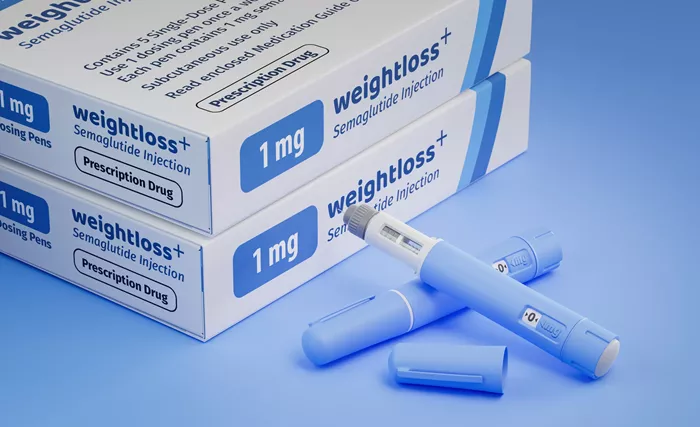
Ozempic, Mounjaro, and other GLP-1 receptor agonists were created to treat type 2 diabetes. They slow stomach emptying, curb appetite, and stabilize glucose, helping people lose weight without surgery.
The best known are Ozempic and Wegovy (semaglutide), Saxenda (liraglutide), and Mounjaro (tirzepatide), which works through a dual-hormone mechanism for a stronger effect. These medicines have become more than medical tools; they symbolize a shift in how weight management is viewed.
India sees a rapid rise in demand for weight loss injections
India has emerged as a fast-growing market for weight loss injections. “Slimming shots” are popular online, with quick delivery options and rising GLP-1 drug demand. Mounjaro, launched in March 2025, was the country’s second-best-selling drug by September.
One report put that month’s sales at ₹80-85 crore (over $9 million). A typical monthly course costs about ₹13,000 to ₹16,400 (roughly $150-$200), depending on dosage. This is cheaper than in the U.S. and Europe, where similar treatment can exceed $1,000 per month.
Global market trends and potential shifts
GLP-1 drugs are expanding beyond obesity treatment. They are also used to manage diabetes, cardiovascular disease, sleep apnea, and are being studied for Alzheimer’s research. The market for GLP-1 weight loss drugs was valued at $13.84 billion in 2024 and is expected to reach $48.84 billion by 2030, according to Grand View Research, growing at about 18.5% annually.
Generics and oral formulations
Patents for semaglutide, the active ingredient in Wegovy and Ozempic, are due to expire in 2026 in several markets, potentially enabling cheaper generic versions. Researchers are also developing oral GLP-1 options, which could make treatment easier, safer, and more affordable.
Effectiveness, side effects, and safety notes
High-dose semaglutide can produce a 15-20% average reduction in body weight from baseline, with improvements in blood sugar, cholesterol, and blood pressure. Side effects often include nausea, vomiting, and digestive issues. Some patients regain weight after stopping treatment.
Regulatory and safety considerations
The UK regulator MHRA concluded that there is no proven link between GLP-1 drugs (including Ozempic and Saxenda) and suicidal thoughts or depression, but it will keep monitoring psychiatric side effects. Global demand has led to supply shortages, and the WHO has warned about counterfeit Ozempic injections circulating on international markets. In Kazakhstan, doctors emphasize medical supervision and approved indications for these medications.
Related topics
NJ Employers Explore Self-Funded Plans to Save on Health Insurance
A top FDA drug regulator resigns amid probe into personal conduct
Dental Insurance Tips for Retirees: 4 Essentials for Dental and Vision Coverage
