
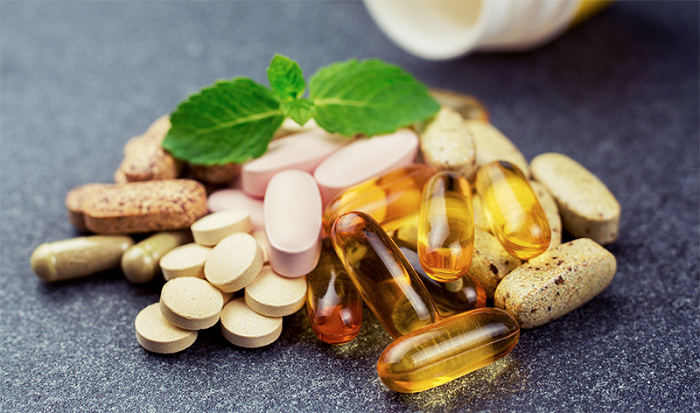
Recent research published in the Journal of Attention Disorders builds upon the Micronutrients for ADHD in Youth (MADDY) randomized controlled trial, which showed behavioral improvements in children who took broad-spectrum multinutrient supplements compared to placebo.
This follow-up study analyzed blood plasma from 77 children aged 6 to 12 participating in the trial to assess oxidative stress and antioxidant activity related to ADHD symptoms.
After eight weeks, children receiving the multinutrient supplement experienced a significant reduction in reactive oxygen metabolites, indicators of oxidative stress, while those on placebo saw increased oxidative stress. Since elevated oxidative stress can adversely affect immune function and inflammation, reducing it may improve overall health in children with ADHD.
Interestingly, antioxidant enzyme activity and biological antioxidant potential remained unchanged in both groups. Researchers suggest that the supplement’s effect stems from decreasing the production of harmful oxidative molecules rather than boosting antioxidant enzymes directly.
Nutritional Implications for ADHD Management
This study highlights the potential for dietary nutrient support to complement ADHD management by modulating oxidative stress without directly treating the disorder. Nutrition plays a critical role in cognitive function, emotional health, and long-term well-being. Future research may explore whether these multinutrient supplements further enhance behavioral and cognitive outcomes for children with ADHD.
It’s important to note that under the Dietary Supplement Health and Education Act of 1994, supplements cannot be marketed to treat or cure ADHD. However, they can support overall mental and physical health. Collaborating with registered dietitians can help tailor nutritional strategies to individual needs, potentially improving quality of life in this population.
Discovery of CBD in a Non-Cannabis Plant: Trema micrantha
A second groundbreaking study from Brazil reveals that cannabidiol (CBD), the non-psychoactive cannabinoid typically derived from cannabis, naturally occurs in the fruits and flowers of Trema micrantha (also called Jamaican nettle or capulin). Notably, this plant contains CBD but zero THC, the psychoactive compound found in marijuana.
This finding raises exciting possibilities for sourcing CBD from non-cannabis plants, potentially diversifying supply chains and easing regulatory challenges. The Brazilian research team received a $500,000 grant to continue exploring this plant as a potential abundant source of CBD over the next five years.
Implications for the CBD and Dietary Supplement Markets
The discovery invites questions about how non-cannabis CBD sources might fit into the evolving landscape of dietary supplements and food ingredients. If phytocannabinoids like CBD are present in other botanicals and foodstuffs, this could influence regulatory frameworks, product innovation, and safety evaluations, including Generally Recognized as Safe (GRAS) designations and New Dietary Ingredient (NDI) filings.
From a business perspective, the U.S. CBD market is projected to reach $27.57 billion by 2032, growing annually at 16.5% from 2025 to 2032. This promising economic outlook makes further exploration of alternative CBD sources both scientifically and commercially viable, though regulatory and safety considerations remain important.
Conclusion
These studies intersect at the frontier of nutrition and cannabinoid research, highlighting how dietary interventions can influence mental health outcomes in ADHD and how botanical discoveries can expand natural ingredient sourcing. Together, they underscore the importance of ongoing scientific inquiry and innovation in improving therapeutic options and market opportunities.
As research progresses, healthcare providers, researchers, and industry stakeholders should consider integrating nutritional strategies and exploring new botanical resources to advance ADHD care and CBD product development.
Related topics
