
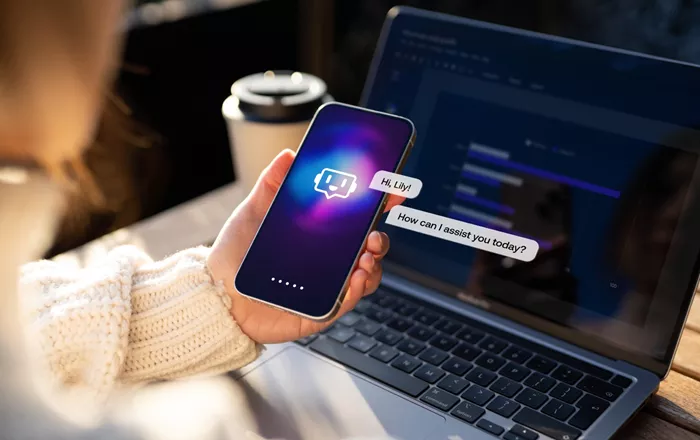
Generative AI models like ChatGPT have emerged as promising tools to support health and wellness, including mental health. Their appeal lies in easy accessibility, affordability, and a nonjudgmental interface, making them attractive for individuals seeking mental health support outside traditional settings.
However, it is critical to understand that these AI-driven tools cannot replace therapy performed by qualified mental health professionals. Instead, they should be viewed as complementary aids rather than standalone solutions.
What Is ChatGPT and Its Role in Mental Health Support?
ChatGPT, a Large Language Model (LLM), is an advanced AI program capable of understanding and generating human-like language based on vast text data. Its applications extend into healthcare, including mental health support, especially where access to human therapists is limited or costly. People may turn to ChatGPT for its ease of use and immediate availability, but despite useful features, it cannot substitute professional psychotherapeutic care.
Potential Benefits of ChatGPT in Therapy
Recent research explores ChatGPT’s role as an adjunct to traditional therapy. A 2024 study found that ChatGPT might assist individuals with anxiety disorders, providing supportive interactions alongside conventional treatment. Other studies highlight ChatGPT’s accessibility benefits for those without prior psychotherapeutic experience. While it can supplement therapy, it is insufficient as a primary or sole treatment modality, particularly for severe mental health conditions where professional intervention is necessary.
Risks, Limitations, and Ethical Considerations
Using ChatGPT for therapy poses risks and notable limitations. The AI issues disclaimers that it cannot replace professional advice, encouraging users to seek qualified help instead. Concerns about the accuracy and reliability of the information generated remain, and there are no legal protections equivalent to therapist-patient confidentiality when sharing personal data with AI.
Ethically, ChatGPT does not operate under the same standards as human therapists, potentially leading to harmful or inappropriate responses. Emotional engagement is limited; ChatGPT cannot provide the depth or continuity of conversation many patients require for meaningful therapeutic progress. Its responses may focus on immediate reassurance rather than fostering long-term mental health improvement.
Recommendations for Safe Use
To mitigate risks when using ChatGPT alongside therapy, consider the following guidelines:
Use as a Supplement: Do not rely solely on ChatGPT for mental health care but use it to complement professional treatment.
Provide Precise Prompts: Give clear, contextual questions rather than vague emotional statements to improve response quality.
Set Clear Boundaries: Make it explicit that ChatGPT is not your primary therapist.
Critically Evaluate Advice: Question the AI’s suggestions and ask for evidence or alternative options.
Document Interactions: Keep records of conversations to discuss with your mental health provider.
Protect Your Privacy: Avoid sharing sensitive personal identifiers during interactions.
Recognize Limitations: Be aware AI may offer repetitive or unhelpful replies and cannot replace human empathy.
Avoid Use in Crisis: For suicidal thoughts, psychosis, or severe trauma, seek immediate professional support instead of AI.
Online therapy using ChatGPT offers convenience and initial support but must be integrated thoughtfully with conventional mental health care to ensure safety and effectiveness.
Related topics
