
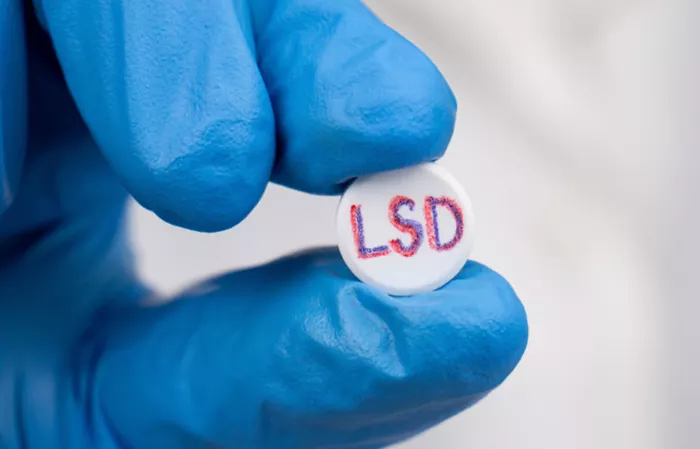
Recent research has revealed promising results for the use of lysergic acid diethylamide (LSD) in treating anxiety disorder, specifically generalized anxiety disorder (GAD). A new study demonstrated that a single high dose of LSD produced significant, long-lasting reductions in anxiety symptoms, with effects lasting up to 12 weeks without the need for adjunct psychotherapy. This marks a potential shift in treatment paradigms for anxiety disorders, moving beyond traditional medications like Xanax and Prozac.
Historical Context and Regulatory Status
LSD was first synthesized in 1938 and initially marketed in the 1940s as a treatment for schizophrenia and depression. Despite early enthusiasm, its recreational misuse led to its classification as a Schedule I substance in 1968, restricting clinical usage. However, growing scientific interest in the potential medical benefits of psychedelics has reignited research, leading to recent FDA breakthrough therapy designation for LSD in treating GAD.
Study Findings on LSD and Anxiety Disorder
The pivotal study, co-authored by Maurizio Fava, M.D., evaluated the effects of single-dose LSD in adults with generalized anxiety disorder. Only participants receiving the two highest LSD doses exhibited robust clinical improvement, demonstrating significant and sustained anxiety reduction for up to 12 weeks. Importantly, no psychotherapy was administered during the trial, suggesting LSD’s therapeutic impact may occur independently. Patients tolerated the drug well, though initial psychedelic effects necessitated monitoring on the administration day. Adverse events were mostly transient, including perceptual changes, nausea, and headache.
Clinical Implications and Future Directions
The findings provide substantial encouragement for proceeding to larger Phase 3 clinical trials. LSD’s potential mechanisms might involve enhanced neuroplasticity and increased openness in brain networks, which could underpin its anxiolytic effects. These results, coupled with its FDA breakthrough status, suggest LSD could become a treatment option for patients with treatment-resistant generalized anxiety disorder, particularly those unresponsive to current first-line medications like SSRIs, SNRIs, or benzodiazepines.
Generalized Anxiety Disorder and Current Treatment Challenges
Generalized anxiety disorder affects 5-8% of the population and often follows a chronic, relapsing course. Despite available treatments, many patients fail to achieve sufficient symptom relief or suffer from side effects such as dependence or cognitive impairment associated with benzodiazepines. Combined therapies often improve outcomes but leave a sizeable portion of patients with residual or recurring anxiety. Thus, novel treatment approaches like LSD are being explored to fill this substantial unmet medical need.
Regulatory and Safety Considerations
Though promising, LSD remains unapproved for anxiety treatment outside research settings. The FDA’s breakthrough therapy designation for MindMed’s LSD formulation expedites its review, but further rigorous investigation is necessary to address efficacy, safety, and administration protocols. Clinical use would require infrastructure for dosing supervision, managing psychedelic effects, and therapy integration.
Conclusion
While LSD is not yet an FDA-approved treatment for generalized anxiety disorder, early research suggests it offers a novel, potentially transformative option with long-lasting effects from a single dose. This emerging approach could redefine treatment models, providing significant relief for those with debilitating anxiety where conventional medications fall short, heralding new hope for millions.
Related topics
