
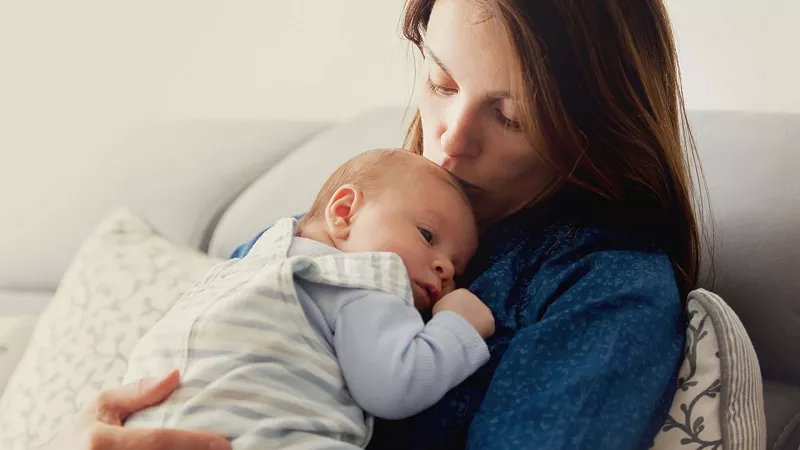
Postpartum massage represents a specialized therapeutic approach designed to support new mothers during the critical recovery period following childbirth. This form of massage therapy addresses the unique physical and emotional needs that arise after delivery whether through vaginal birth or cesarean section.
Unlike general relaxation massage postpartum massage specifically targets areas affected by pregnancy and childbirth incorporating techniques that promote healing and restoration. Professional practitioners tailor sessions to individual needs considering factors such as delivery method recovery progress and specific concerns like muscle tension or emotional adjustment. The practice has gained recognition as an effective complementary therapy that complements traditional postpartum care by addressing both physical and psychological aspects of recovery.
Understanding the Physical Healing Advantages of Specialized Postpartum Bodywork
The physiological benefits of postpartum massage extend across multiple systems affected by pregnancy and delivery over an extended period. Specialized techniques help alleviate muscle soreness particularly in the back shoulders and arms which often result from breastfeeding positions and constant baby care activities. Improved circulation accelerates the elimination of excess fluids that accumulate during pregnancy reducing swelling in extremities and promoting overall comfort.
Lymphatic drainage methods support the bodys natural processes for fluid balance restoration and detoxification during this transitional phase. Abdominal massage techniques carefully address diastasis recti or abdominal muscle separation while promoting core strength recovery gradually. For mothers who underwent cesarean delivery specialized scar tissue mobilization techniques can improve healing outcomes and reduce adhesion formation over time.
Addressing Emotional Well Being Through Professional Therapeutic Touch Methods
Postpartum massage significantly impacts emotional health during the challenging transition to motherhood through multiple mechanisms. The therapeutic touch stimulates oxytocin production naturally promoting bonding feelings and reducing stress hormones like cortisol in the bloodstream.
Many new mothers experience improved sleep patterns following massage sessions due to reduced anxiety levels and decreased physical discomfort throughout the body. For those experiencing baby blues or more significant mood changes regular massage can provide emotional stabilization by addressing the physical manifestations of stress systematically. The safe nurturing environment of a professional massage session offers valuable respite from constant caregiving demands allowing mothers to reconnect with their own bodies and needs without distraction.
Supporting Breastfeeding and Lactation Through Targeted Massage Approaches
Specialized massage approaches can directly benefit breastfeeding mothers by addressing common physical challenges that arise during lactation. Chest and upper back massage helps open the pectoral region properly improving milk flow and reducing engorgement discomfort that many mothers experience.
Gentle breast massage techniques when performed correctly by trained professionals can alleviate clogged ducts and mastitis symptoms while increasing prolactin levels naturally. Research indicates that mothers receiving regular postpartum massage demonstrate improved breastfeeding success rates and longer duration of breastfeeding overall. Massage therapists trained in postpartum care understand how to position mothers comfortably during sessions to avoid putting pressure on tender breast tissue while addressing related muscle tension effectively.
Implementing Safety Protocols and Maintaining Professional Standards Consistently
Choosing a qualified postpartum massage practitioner requires careful consideration of credentials and experience in this specific field. Reputable therapists maintain certification through recognized organizations demonstrating specific training in postpartum physiology and potential contraindications.
Treatment spaces should feature specialized equipment such as massage tables with abdominal openings for prone positioning and ample supportive pillows for side lying positions. Comprehensive health intake forms and communication with healthcare providers ensure appropriate modification of techniques for individual circumstances and recovery stages. Therapists should maintain strict hygiene protocols particularly when working with mothers who have experienced perineal tearing or cesarean delivery to prevent infection.
Recognizing When to Seek Medical Consultation Before Beginning Massage Therapy
Certain conditions require medical clearance before beginning postpartum massage therapy to ensure safety and appropriate treatment timing. Women with hypertensive disorders including preeclampsia history need cardiovascular assessment before receiving any form of bodywork or massage treatment.
Those with recent surgical interventions beyond standard delivery procedures may require extended healing time before bodywork can safely begin without complications. Mothers experiencing postpartum complications like deep vein thrombosis infections or significant bleeding should delay massage until medically stabilized and cleared by their healthcare provider. Open communication between massage therapists and healthcare providers ensures coordinated care that supports optimal recovery outcomes throughout the postpartum period.
Integrating Postpartum Massage into a Comprehensive Recovery Plan Effectively
Postpartum massage works best when integrated into a comprehensive recovery plan that addresses multiple aspects of healing. Combining massage with proper nutrition adequate rest and gentle exercise creates a synergistic effect that enhances overall recovery outcomes.
Scheduling regular sessions throughout the first three to six months postpartum can provide ongoing support as the body continues to heal and adjust to new demands. Communication with the massage therapist about changing needs and symptoms ensures that each session addresses current concerns appropriately. Many mothers find that incorporating postpartum massage into their self care routine helps them navigate the physical and emotional challenges of new motherhood more effectively while promoting long term wellbeing.
Related topics:
