
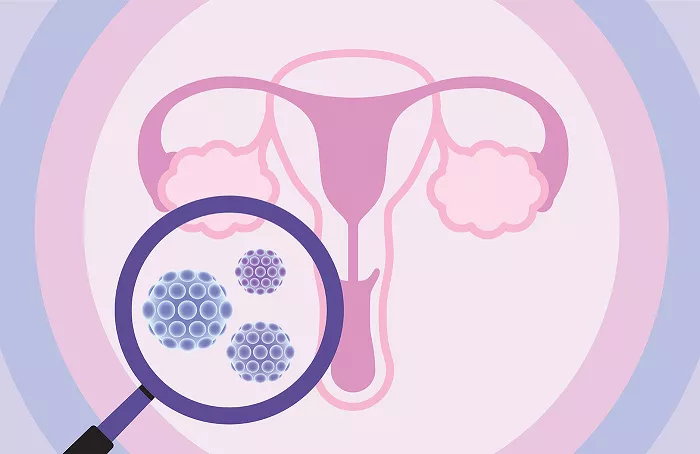
The term “Pap smear” evokes significant apprehension among many women, creating a psychological barrier that contributes to nearly one-quarter of women not receiving recommended cervical cancer screenings. The physical discomfort associated with traditional screening methods, combined with logistical barriers such as transportation issues, childcare needs, and work schedule conflicts, prevents many from maintaining regular screening schedules.
This problematic situation persists despite cervical cancer being highly preventable through early detection, with approximately 11,500 new cases diagnosed annually in the United States, resulting in about 4,000 preventable deaths each year according to current epidemiological data.
Examining Emerging Home-Based Screening Technologies and FDA Review Process
The Food and Drug Administration is currently evaluating revolutionary home screening tests through its accelerated review pathway, which could potentially transform cervical cancer prevention strategies. These innovative tests would utilize simple vaginal self-collection methods similar to those already implemented in Europe and Australia.
The federal regulatory agency may reach a decision regarding approval as early as next year, according to reports from The New York Times. This development follows the FDA’s landmark approval in May of healthcare facility-based HPV self-collection kits, which will become available in medical settings beginning this fall, representing a significant step toward more accessible screening options.
Comparing Traditional Clinical Procedures with Modern Self-Collection Methods
Traditional Pap smear screening requires healthcare professionals to insert a speculum into the vagina to visualize the cervix, followed by collection of cervical cells using a specialized brush typically exceeding seven inches in length. In contrast, modern self-collection approaches involve significantly less invasive techniques
where individuals use a swab similar to COVID-19 test swabs, inserting it approximately three inches into the vaginal canal to obtain a sample for HPV testing. This fundamental shift from cervical to vaginal sampling reduces both physical discomfort and psychological barriers while maintaining diagnostic accuracy for high-risk HPV detection, the primary cause of virtually all cervical cancer cases.
Analyzing Demographic Disparities in Cervical Cancer Screening Access
Concerning disparities in screening adherence persist across demographic groups according to research published in JAMA Network Open in 2022. Asian and Hispanic women demonstrate higher rates of overdue screenings compared to white women.
Additionally, individuals without insurance, those living in rural areas, and people identifying as lesbian, gay, bisexual, queer, or other sexual minorities face significant barriers to regular screening. These disparities highlight the need for more accessible screening options, particularly for underserved populations who may benefit most from self-collection methods that reduce structural and cultural barriers to healthcare access.
Reviewing Current Screening Guidelines and Implementation Timelines
Current medical guidelines recommend that women aged 21 to 65 undergo cervical cancer screening every three to five years using either Pap tests, HPV tests, or a combination of both. The upcoming availability of self-collection options, initially in clinical settings this fall, represents a transitional phase while full at-home testing options await FDA approval.
Healthcare systems are preparing for implementation by developing protocols for patient education, sample processing, and follow-up care for positive results. This staggered rollout allows medical professionals to adapt to new screening paradigms while maintaining quality control and ensuring proper patient guidance.
Exploring Public Health Initiatives and Future Screening Accessibility
Federal programs, including the National Breast and Cervical Cancer Early Detection Program, provide free or low-cost screenings for low-income, uninsured, and underinsured women, addressing financial barriers to preventive care. The integration of self-collection methods into these programs could significantly expand their reach, particularly for hard-to-reach populations.
Looking ahead, the Canadian model, where individuals complete online questionnaires to determine eligibility for mailed self-screening kits, may inspire similar approaches in the United States, potentially combining digital health technologies with home-based testing to create more equitable screening systems that reduce disparities and improve early detection rates nationwide.
Related topics:
