
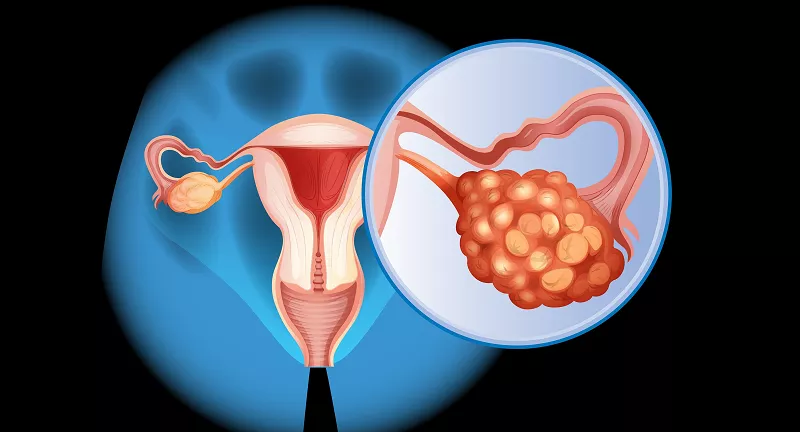
Ovarian cancer represents a complex group of malignancies originating in the ovaries, fallopian tubes, or the peritoneal lining of the abdomen. In females, the ovaries are almond-sized reproductive organs located on either side of the uterus within the lower abdominal region.
During reproductive years, ovaries release eggs monthly and produce essential hormones, including estrogen and progesterone. Statistical data indicates approximately half of ovarian cancer patients receive their diagnosis at age 63 or older, with Caucasian women demonstrating higher incidence rates compared to African American women. The lifetime risk for developing ovarian cancer stands at about 1 in 91 women, though this varies based on genetic predisposition and environmental factors.
Identifying Common Symptoms and Diagnostic Challenges
Ovarian cancer frequently presents without specific symptoms during early stages, contributing to its nickname as a “silent killer.” The disease’s insidious nature stems from the ovaries’ small size and deep pelvic location. As the cancer advances, patients may experience abnormal vaginal bleeding or discharge, persistent bloating, decreased appetite, early satiety, abdominal or back pain, urinary frequency or urgency, and constipation.
These symptoms often mimic less serious conditions like irritable bowel syndrome or urinary tract infections, necessitating thorough medical evaluation when they persist beyond two weeks. Diagnostic challenges include distinguishing ovarian cancer from benign ovarian cysts and other gynecological conditions, requiring specialized imaging and biomarker tests.
Recognizing Key Risk Factors and Genetic Predispositions
While the exact causes of ovarian cancer remain unclear, several established risk factors increase susceptibility. Women of Eastern European or Ashkenazi Jewish heritage face elevated risks, along with those having first-degree relatives with ovarian cancer.
Specific genetic mutations, particularly in BRCA1 and BRCA2 genes, significantly increase lifetime risk, sometimes exceeding 40 percent. Additional risk factors include personal histories of breast, colon, or uterine cancer, endometriosis, nulliparity, infertility, and prolonged estrogen-only hormone therapy. However, possessing risk factors doesn’t guarantee disease development, while some patients without known risks still develop ovarian cancer.
Implementing Comprehensive Diagnostic Approaches and Procedures
Diagnosing ovarian cancer requires a multifaceted approach beginning with detailed medical history assessment and pelvic examination. Imaging techniques, including transvaginal ultrasound, CT scans, and MRI, help visualize ovarian morphology and detect potential spread.
Laparoscopic procedures enable direct visualization and tissue sampling, while CA-125 blood tests measure protein levels associated with ovarian malignancy. Despite its utility, CA-125 testing has limitations, as levels can elevate in benign conditions and early-stage cancers may not produce sufficient markers. Pathological confirmation through biopsy remains essential for definitive diagnosis and tumor classification.
Classifying Pathological Types and Staging Systems
Ovarian cancers are categorized into three primary pathological types based on tissue origin. Epithelial tumors, arising from the ovaries’ surface epithelium, account for approximately 95 percent of cases. Germ cell tumors, developing from egg-producing cells, and stromal tumors, originating from hormone-producing tissue, constitute the remaining classifications.
Staging follows the International Federation of Gynecology and Obstetrics system, ranging from stage 1 (confined to ovaries) to stage 4 (involving distant metastasis). Accurate staging requires surgical assessment and pathological evaluation of tissue samples, guiding treatment decisions and prognostic predictions.
Developing Personalized Treatment Strategies and Supportive Care
Treatment plans integrate multiple modalities tailored to individual patient factors. Surgical intervention aims for optimal tumor removal, often involving hysterectomy and omentectomy. Chemotherapy typically combines platinum and taxane-based drugs, while radiation may palliate metastatic symptoms.
Emerging approaches include PARP inhibitors for BRCA mutation carriers and anti-angiogenic agents. Supportive care addresses physical symptoms and psychological needs through pain management, nutritional support, and counseling services. Multidisciplinary teams, comprising gynecologic oncologists, medical oncologists, and palliative specialists, ensure comprehensive care throughout the disease trajectory.
Related topics
