
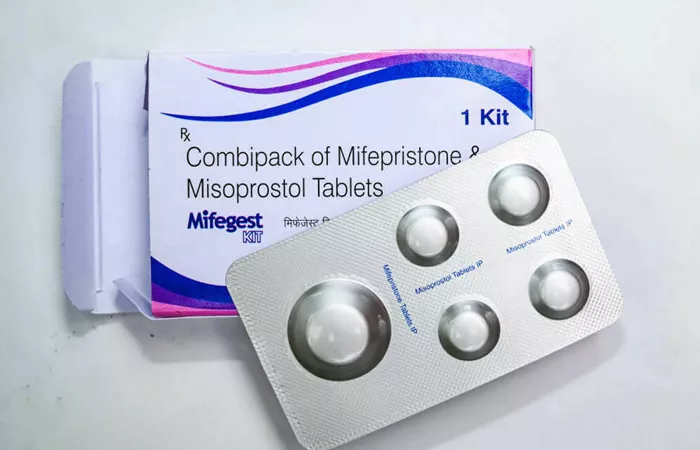
California pregnancy centers are challenging state restrictions that block them from sharing abortion pill reversal information, arguing this violates their First Amendment rights. Attorneys representing the centers urged the Ninth Circuit Court of Appeals last week to restore their freedom to provide this potentially life-saving information to women.
In 2023, California Attorney General Rob Bonta sought to prohibit pregnancy resource centers (PRCs) from discussing abortion pill reversal (APR), labeling the information as “misleading.” In response, several PRCs filed lawsuits claiming this censorship infringed on their free speech rights. A federal district court ruled in favor of Bonta, categorizing the centers’ speech as commercial and therefore not fully protected.
Represented by the Thomas More Society and Alliance Defending Freedom, the PRCs appealed to the Ninth Circuit in a hearing on October 9. They argued that APR communication is non-commercial because women do not pay out-of-pocket for these services. Peter Breen, head of litigation at Thomas More Society, emphasized, “Women deserve options, not censorship,” highlighting the centers’ mission to offer hope through APR to women regretting the start of a chemical abortion.
Abortion pill reversal involves administering high doses of progesterone to counteract mifepristone, the abortion pill’s active drug. Effectiveness rates from a 2018 peer-reviewed study range between 64% and 68%, with over 6,000 reported lives saved as of November 2024. Caleb Dalton, senior counsel with ADF, called APR “a lawful and lifesaving treatment” provided after informed consent by licensed professionals and criticized the attorney general’s attempt to suppress this critical conversation.
This case underscores the ongoing debate about free speech, women’s access to reproductive health options, and government censorship. Current data suggests that informed discussions about APR may influence women’s choices and outcomes in early pregnancy management.
Health Data Analysis and Advice
Recent studies indicate that up to 68% of women undergoing APR may successfully reverse the effects of the abortion pill, which highlights the importance of accessible, evidence-based information. Women seeking reproductive health options should consult licensed healthcare providers to fully understand all available treatments, including APR. Open communication ensures informed decision-making and supports women’s autonomy. Legal restrictions limiting such information may hinder women’s ability to access care that could alter significant reproductive outcomes.
Related topics
Mississippi Senators Call on FDA to Reassess Approval of Abortion Pill
New Debate Over ACA Health Insurance Quotes Fuels Shutdown Tensions
