
Early detection remains the most powerful tool against prostate cancer, a disease that often shows no symptoms in its initial stages. In the U.S., over 300,000 men are expected to receive a prostate cancer diagnosis in 2025. Yet many remain unclear about the key numbers that ultimately guide treatment decisions.
A positive diagnosis does not always indicate aggressive disease. Most men diagnosed today can live long, healthy lives—particularly when cancer is detected early. Understanding diagnostic measures empowers men to take an active role in their care.
Several numbers play a critical role in evaluating prostate cancer:
- Prostate-specific antigen (PSA)
- Prostate Health Index (PHI)
- Gleason score
- Cancer stage
Herbert Ruckle, MD, FACS, chair of Loma Linda University Health’s Urology Department, emphasizes that while these metrics can seem complex, they provide a “language of the disease” that helps doctors assess severity and plan treatment.
“The reason why the numbers are important is because they define the gravity of the situation,” Ruckle says.
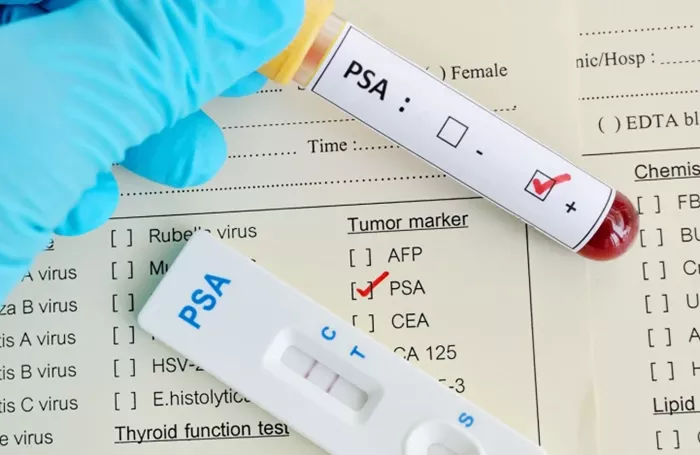
PSA Testing: The First Step in Detection
Prostate cancer is most often detected through a PSA blood test. Men at average risk should discuss screening with their doctors around age 50. Those at higher risk—such as men with a family history of prostate cancer or African American men—are advised to begin screening as early as age 40.
According to Ruckle, the PSA level is the most crucial number men should know. “Early detection allows for a greater range of treatment options and increases the chances of a cure,” he explains.
A high PSA does not automatically indicate cancer. Elevated levels may lead to repeat testing or a PHI test, which estimates cancer risk as a percentage ranging from 10% to 50%.
If risk appears high, a biopsy may be recommended, in which tissue samples are examined under a microscope. A negative biopsy results in continued monitoring, while a positive biopsy confirms the presence of cancer and triggers grading and staging.
Understanding the Gleason Score and Cancer Stage
The Gleason score is a key measure in prostate cancer diagnosis. Pathologists examine the two most common cell patterns in the biopsy, assign each a number from 2 to 5, and combine them for a total score ranging from 6 to 10. Low-grade cancer scores 6, intermediate scores 7, and high-grade cancer scores 8–10. These numbers inform both the grade group (1–5) and cancer stage (1–4), guiding treatment decisions.
While a higher Gleason score signals more aggressive disease, it is not a death sentence—rather, it is one of several tools doctors use to tailor care.
Personalized Treatment Options
Prostate cancer treatment is not one-size-fits-all. Options depend on cancer grade, stage, and a patient’s overall health. Treatments may include:
- Active surveillance
- Radiation therapy
- Nuclear medicine
- Surgery
- Hormone therapy
- Chemotherapy
- High-intensity focused ultrasound
From PSA levels to Gleason scores, these numbers provide clarity and direction in managing prostate cancer safely and effectively.
Understanding these diagnostic measures is the first step in taking control of prostate health. For men due for screening or seeking guidance on their risk, experts at Loma Linda University Cancer Center provide support and clarity to help navigate decisions with confidence.
YOU MAY ALSO LIKE
Combining Prostate Health Markers Improves Cancer Detection
Vitamin D Supplements and Top Vitamins Australians Take
Frequent Ejaculation May Reduce Prostate Cancer Risk, Experts Say
