
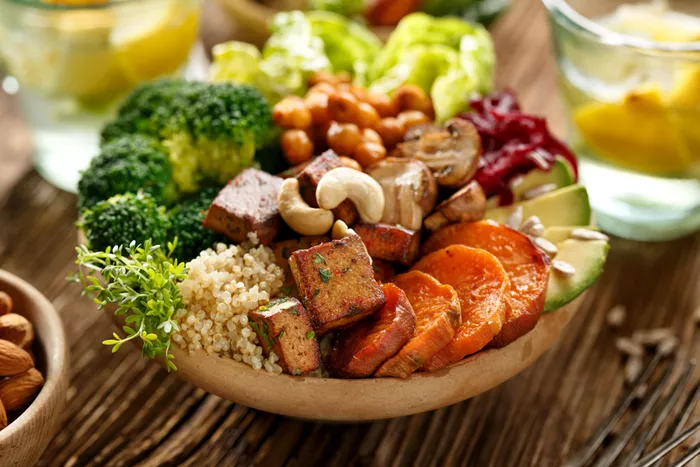
As Menopause Awareness Month approaches this October, new polling data reveal that many women remain unsure about how diet affects menopause symptoms.
A survey by the Physicians Committee for Responsible Medicine (PCRM) and Morning Consult found that fewer than half of U.S. women recognize diet as a factor influencing the frequency and severity of hot flashes.
Poll Highlights
Conducted August 6–7, 2025, the survey included 1,155 women nationwide. Only 43% believed that diet can impact hot flashes, despite clinical evidence suggesting otherwise.
The poll also explored attitudes toward soy and plant-based foods. Nineteen percent of respondents thought soy should be avoided during menopause, while 21% believed it need not be restricted.
Opinions on ultra-processed plant-based products, such as plant-based meats and dairy alternatives, were divided: 11% thought these foods could reduce hot flashes, while 22% felt they might increase them. Regarding weight, 13% associated such foods with weight loss, whereas 26% linked them to weight gain.
Clinical Evidence
These perceptions contrast sharply with research findings. Hana Kahleova, MD, PhD, director of clinical research at PCRM, noted, “Our research shows that a low-fat, plant-based diet including soybeans can significantly reduce hot flashes and support weight loss in postmenopausal women.
Benefits are seen even when the diet includes ultra-processed plant-based foods like soy milk and meat alternatives.”
Kahleova, alongside Neal Barnard, MD, led the Women’s Study for the Alleviation of Vasomotor Symptoms (WAVS) trial, published in Menopause in 2023.
The study found that a plant-based diet incorporating soy reduced moderate to severe hot flashes by 88% and promoted an average weight loss of eight pounds over 12 weeks. Benefits were observed regardless of whether the plant-based foods were minimally or highly processed.
The WAVS trial enrolled 84 postmenopausal women experiencing at least two daily hot flashes. Participants were randomly assigned either a low-fat vegan diet with half a cup of cooked soybeans daily or their usual diet. After 12 weeks, the intervention group reported substantial symptom reductions compared with the control group.
Clinical Implications
Hot flashes affect roughly three-quarters of women during menopause, yet symptom management is often overlooked in primary care. A 2024 study from the Menopause Society found that addressing these symptoms is frequently underemphasized.
Given the gap between public perception and research, PCRM physicians urge clinicians to incorporate dietary guidance into menopause care.
“This Menopause Awareness Month—and all year long—I encourage physicians to advise patients in any phase of menopause to adopt a plant-based diet to help manage hot flashes, support healthy weight, and improve overall health,” said Vanita Rahman, MD, clinic director at the Barnard Medical Center in Washington, D.C.
The WAVS trial authors emphasize that dietary interventions offer nonpharmacologic options for symptom management, particularly for patients seeking alternatives or supplements to hormone therapy.
Conclusion
Despite strong clinical evidence supporting plant-based diets for reducing vasomotor symptoms and aiding weight management during menopause, the new poll shows that most women remain uncertain about diet’s impact. Increasing awareness could help physicians deliver evidence-based nutritional guidance and improve patient outcomes.
YOU MAY ALSO LIKE
New Hydrogel Shows Promise for Easing Menopause Symptoms
Popular Weight-Loss Drugs Raise Pregnancy Safety Concerns
PCOS-Linked Insulin Resistance May Raise Diabetes Risk, Doctor Warns
