
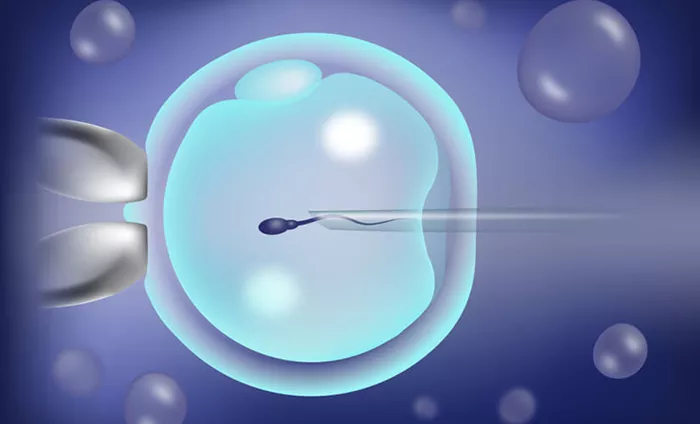
Reproductive medicine is entering a new era, driven by advances in our understanding of the molecular mechanisms that guide embryo development and in vitro fertilization (IVF).
A recent study by Thuwanut et al. has revealed that peptidomic and proteomic signatures in human blood serum, follicular fluid, and spent media can serve as predictive indicators of embryo viability, offering promising pathways for more personalized fertility treatments.
The research team conducted an extensive analysis of biological fluids collected from participants undergoing IVF. By profiling peptides and proteins in blood serum, follicular fluid, and spent media, the study identified biomarkers that strongly correlate with embryo quality and implantation success. These findings could reshape IVF protocols, enabling clinicians to tailor treatments to the specific molecular profile of each patient.
Employing advanced mass spectrometry techniques, the researchers were able to accurately quantify the peptides and proteins in the samples, ensuring a high level of precision. This approach highlights how technological innovation is expanding the frontiers of reproductive science, uncovering biomarkers that were previously undetectable.
Significant differences in proteomic profiles between blood serum and follicular fluid were observed, suggesting that certain physiological conditions may favor embryo development. These insights have practical implications, potentially allowing fertility specialists to design individualized interventions that improve pregnancy rates while reducing the emotional and financial burden on patients.
The study also emphasized the importance of spent media—the byproduct of cultured embryos. Analysis of spent media revealed specific metabolites linked to embryo quality, underscoring its potential as a non-invasive tool for assessing developmental health and predicting IVF success.
The broader implications of these findings extend to the entire field of assisted reproductive technology. By predicting which embryos are most likely to implant based on their biochemical signatures, clinicians may soon be able to reduce reliance on invasive procedures while optimizing IVF outcomes. This aligns with the ongoing shift toward personalized medicine, where treatment strategies are guided by the unique biological characteristics of each patient.
Thuwanut et al.’s research exemplifies the value of interdisciplinary collaboration, combining molecular biology, biochemistry, and reproductive medicine. Such integrative approaches are essential for harnessing emerging technologies to improve fertility outcomes and advance patient care.
In conclusion, this study reinforces the critical role of proteomics and peptidomics in reproductive health. By mapping the complex interplay of biomarkers in blood, follicular fluid, and spent media, researchers are laying the groundwork for more effective, personalized IVF protocols. As reproductive science continues to evolve, innovations like these bring hope to couples navigating infertility, moving the field closer to achieving higher success rates and more predictable outcomes.
