
For couples trying to conceive, accurately identifying fertile days can significantly improve the odds of pregnancy. Ovulation tests—ranging from basic strips to advanced digital monitors and wearables—offer a practical way to track ovulation and predict peak fertility.
With countless options on the market, choosing the right ovulation test can be overwhelming. Women with predictable cycles may find simple, affordable strips sufficient, while those with irregular cycles might benefit from digital or wearable monitors that track multiple fertility markers.
“There are simple test strips similar to pregnancy tests, and digital tests that interpret results electronically,” explains Dr. Shaun Williams, reproductive endocrinologist at Reproductive Medicine Associates of Connecticut.
Top Ovulation Test Picks:
Clearblue Advanced Digital Ovulation Test – Ideal for beginners, identifies a 4-day fertility window. ($26.99, Walmart)
Inito Fertility Monitor – Tracks four hormones for detailed fertility insights. ($99, Inito)
Ava Bracelet – Wearable tracker monitoring temperature and other health metrics. ($279, Ava)
Femometer Cyra Ring Pro – Budget-friendly wearable for basal body temperature tracking. ($129.99, Amazon)
Modern Fertility Ovulation Test Strips – Affordable, accurate urine strips with app support. ($15.18, Amazon)
How They Work
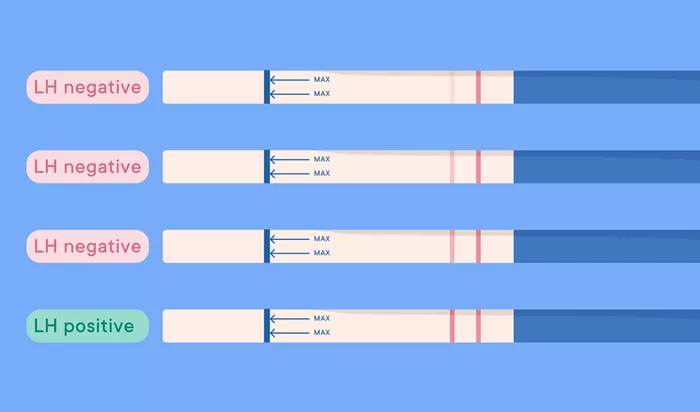
Traditional ovulation tests detect hormone surges—primarily luteinizing hormone (LH)—in urine, signaling ovulation within 12–36 hours. More advanced tests, like Inito, measure multiple hormones, including estrone-3-glucuronide (E3G), pregnanediol glucuronide (PdG), and follicle-stimulating hormone (FSH), providing deeper insight for irregular cycles or conditions like PCOS.
Wearables such as Ava and Cyra Ring Pro track physiological markers, including basal body temperature, heart rate variability, and sleep patterns, offering continuous monitoring and predictions of fertile windows. Though less precise than hormone-based tests for pinpointing ovulation, these devices provide valuable long-term insights into reproductive health.
Choosing the Right Ovulation Test
Key considerations include:
- Method of detection: Urine, saliva, or wearable monitoring.
- Accuracy: Most tests claim 95–99% accuracy under proper use.
- Ease of use: Simple instructions and clear results are crucial.
- Cost: Ranges from budget strips to high-end wearable devices.
- Additional features: Apps and fertility monitors can enhance tracking and cycle understanding.
When to Test
Testing typically begins a few days before expected ovulation, depending on cycle length. First-morning urine often yields the most accurate hormone readings, though some tests recommend afternoon samples. A positive test indicates a surge in LH, signaling ovulation within the next 12–36 hours. Couples are advised to time intercourse accordingly for optimal conception chances.
Expert Guidance
While ovulation tests can improve pregnancy timing, factors like overall health, lifestyle, and male fertility also play a role. “If conception does not occur after a year of regular, unprotected intercourse, consult a fertility specialist for evaluation and guidance,” says Dr. Jenna Turocy, ob-gyn and reproductive endocrinologist.
Conclusion
Whether using digital tests, wearable trackers, or traditional strips, ovulation tests provide women with actionable insights into their fertility. Selecting the right tool depends on individual cycles, budget, and personal preference, but consistent use and proper timing can increase the likelihood of successful conception.
