
Tom, 38, thought he was simply stressed when he visited his GP. He left with a prescription for antidepressants—but no mention of low testosterone. His story is far from unique. Experts estimate that 1.5 million men in the UK may suffer from low testosterone, yet up to 90% remain undiagnosed.
Unlike conditions such as diabetes or thyroid disorders, which are routinely tested, low testosterone often goes overlooked. Yet the consequences are significant: anxiety, depression, poor concentration, loss of libido, erectile dysfunction, fatigue, reduced muscle mass, and stubborn body fat.
Dr. Bonnie Grant, clinical research fellow at Imperial College London, explains the diagnostic challenges: “For men with clear-cut conditions—genetic issues or surgical removal of the testicles—treatment decisions are straightforward. The difficulty arises in men with ambiguous hormone levels. Some may experience symptoms even with borderline readings, making careful evaluation essential. Testosterone levels often reflect broader health issues.”
Stress also plays a role. Chronic stress can suppress testosterone production, potentially leading to serious health consequences.
Why Symptoms Are Often Missed
Dr. Jeff Foster, GP and men’s health specialist, notes that low testosterone is frequently overlooked by endocrinologists and urologists. “Many men are prescribed antidepressants without assessing hormone levels. NHS guidelines on testosterone deficiency vary regionally, and cut-off points are low, meaning symptomatic men are often dismissed,” he says.
Research indicates that low testosterone may also shorten lifespan. Men with very low levels face an increased risk of cardiovascular death, while low—but not extreme—levels are associated with higher all-cause mortality.
Sexual symptoms, such as reduced morning erections, are key indicators. But other symptoms—fatigue, brain fog, mood swings—may result from obesity, lifestyle, or psychological factors rather than hormone deficiency. Dr. Grant adds, “Obese men are 13 times more likely to have low testosterone, and weight loss can sometimes normalize levels without medication.”
Dr. Foster emphasizes that men seeking TRT are often ordinary individuals struggling with energy, mood, and focus rather than looking for muscular enhancement.
The Effects of Testosterone Replacement Therapy (TRT)
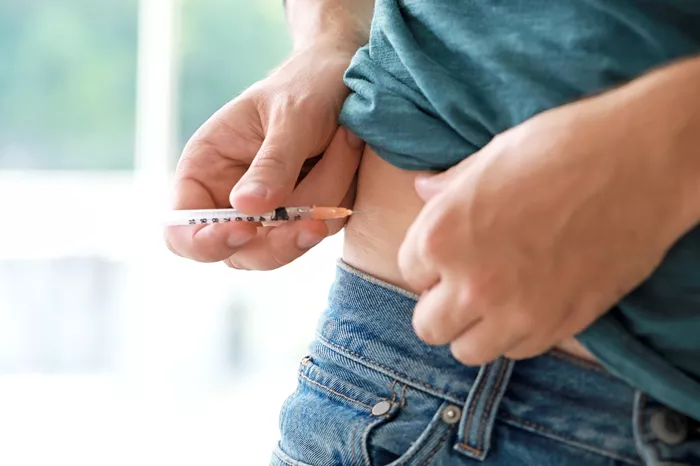
TRT can profoundly impact quality of life—but it carries considerations. Dr. Grant notes, “Once treatment begins, the brain reduces natural testosterone and sperm production, which has implications for men planning to father children.” Side effects may include sleep apnea, acne, enlarged breasts, prostate growth, and testicular shrinkage, though these are rare under proper medical supervision.
Patients like Tom report dramatic improvements. “Mood swings, anxiety, fatigue, and apathy were affecting my life and career. After starting TRT, my focus, energy, and enthusiasm returned,” he says.
Will, 45, experienced similar benefits. Despite disciplined diet and exercise, he struggled with weight gain and cognitive decline. After two years of TRT, his energy and focus improved, and his visceral fat dropped significantly.
No One-Size-Fits-All Approach
TRT is not universal. Some men respond quickly; others require dosage adjustments. Pre-screening is essential, and ongoing monitoring through regular blood tests is crucial to ensure safe and effective treatment.
Dr. Grant emphasizes lifestyle first: “Address general health and lifestyle concerns. If symptoms persist, discuss testing with your doctor. Blood levels should be measured fasted, in the morning, on at least two occasions for accuracy.”
Self-administering unregulated testosterone is risky. “You likely have no idea what you’re injecting,” warns Grant. Foster adds, “Always seek treatment from qualified professionals and include free testosterone levels in testing, which are often overlooked.”
While the debate around TRT continues, medical experts agree that increased awareness, proper diagnosis, and supervised treatment can profoundly improve men’s health and wellbeing.
YOU MAY ALSO LIKE
One in Six GG1 Prostate Cancer Cases Higher-Risk
Balancing Risks and Benefits of Prostate Cancer Screening
Washington, D.C. Man Named Finalist in National “Benevolent Beards” Contest
