
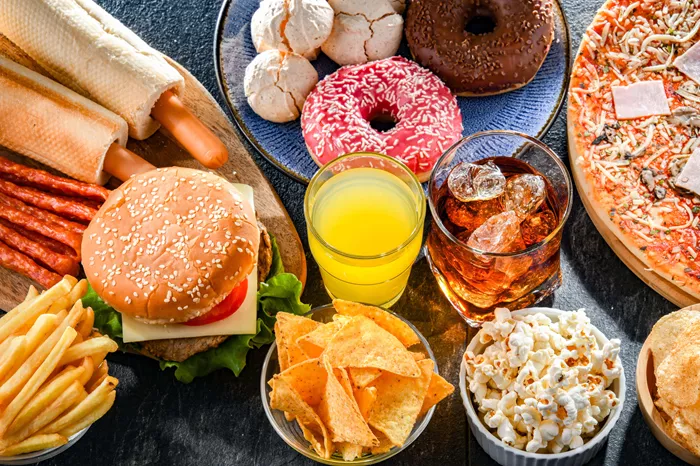
A new study has strengthened the connection between ultra-processed foods (UPFs) and serious health risks — this time linking them to lung cancer, the world’s most commonly diagnosed cancer.
Researchers have found that individuals who consume the highest amounts of UPFs may be significantly more likely to develop lung cancer compared to those who eat the least. These findings, published in the Thorax medical journal, highlight yet another potential consequence of diets dominated by highly processed convenience foods.
In the UK and US, over half of the average diet is made up of UPFs such as packaged snacks, ready meals, soft drinks, and fast food. These products typically undergo multiple industrial processing steps and often contain long lists of preservatives, flavor enhancers, and additives. They are also known for being nutrient-poor but high in sugar, salt, and unhealthy fats.
The new study builds on previous research — including a 2024 BMJ study that linked UPFs to 32 harmful outcomes, such as heart disease, type 2 diabetes, mental health issues, and early death.
Major Cancer Risk Highlighted
According to the World Cancer Research Fund, lung cancer accounted for approximately 2.2 million new cases and 1.8 million deaths globally in 2020. The Thorax study now adds compelling evidence that UPFs may be playing a role in these figures.
The research drew on data from the large-scale US Prostate, Lung, Colorectal and Ovarian (PLCO) Cancer Screening Trial, which began in 1993. The study followed 155,000 adults aged 55 to 74, tracking cancer diagnoses up to 2009 and cancer-related deaths through 2018.
From this cohort, 101,732 participants who completed detailed dietary questionnaires were analyzed. Their food intake was categorized into four groups: unprocessed or minimally processed, processed culinary ingredients, processed foods, and ultra-processed foods.
Key examples of UPFs included in the analysis were lunch meats, ice cream, instant noodles, margarine, sweetened beverages, shop-bought burgers and pizza, and a range of packaged snacks and cereals. The most consumed UPFs were lunch meats (11%), diet or caffeinated soft drinks (over 7%), and decaffeinated soft drinks (nearly 7%).
Significantly Higher Risk for Frequent Consumers
Over a 12-year period, researchers recorded 1,706 new lung cancer cases — including 1,473 cases of non-small cell lung cancer (NSCLC) and 233 of small cell lung cancer (SCLC). After adjusting for variables such as smoking and general diet quality, the findings revealed a striking association:
Individuals with the highest UPF intake had a 41% higher risk of developing lung cancer.
Specifically, they were 37% more likely to develop NSCLC and 44% more likely to develop SCLC than those with the lowest UPF consumption.
Caution and Context
While these results are statistically significant, the authors caution that this was an observational study. As such, it cannot prove causation. The study did not track changes in diet over time and lacked detailed data on the intensity of smoking, a major confounding factor in lung cancer risk.
Nonetheless, researchers emphasized the poor nutritional value of UPFs and the potential harms from their industrial processing. Chemical by-products from processing and packaging — such as acrolein, a toxic component also found in cigarette smoke — may contribute to cancer risk. Acrolein is present in foods like grilled sausages and caramel candies.
“The rise in UPF consumption may have driven global increases in obesity, cardiovascular disease, metabolic disorders, cancer, and mortality,” the researchers wrote.
A Shift Toward Whole Foods
Rob Hobson, a registered nutritionist and author of Unprocess Your Family Life, advised against vilifying specific foods. Instead, he encouraged a gradual move toward healthier eating patterns.
“You can’t say from this study that UPFs cause cancer, but it does strengthen the case for examining our food environment, where UPFs are cheap, convenient, and heavily promoted,” Hobson told The Independent.
He recommends simple steps like cooking more at home, incorporating whole foods such as legumes, vegetables, and whole grains, and being mindful of how often UPFs are consumed.
“It’s not about being perfect,” Hobson said. “It’s about balance and understanding how your food choices could be supporting or undermining your long-term health.”
Related topics:
