
Many women in perimenopause and menopause notice unwanted fat accumulation—especially around the abdomen—largely due to declining estrogen levels. Estrogen supports muscle mass, a higher metabolic rate, and overall bone strength. Once estrogen drops, muscle loss accelerates, leading to decreased metabolism and increased fat storage, while bones become more vulnerable to fragility and fractures.
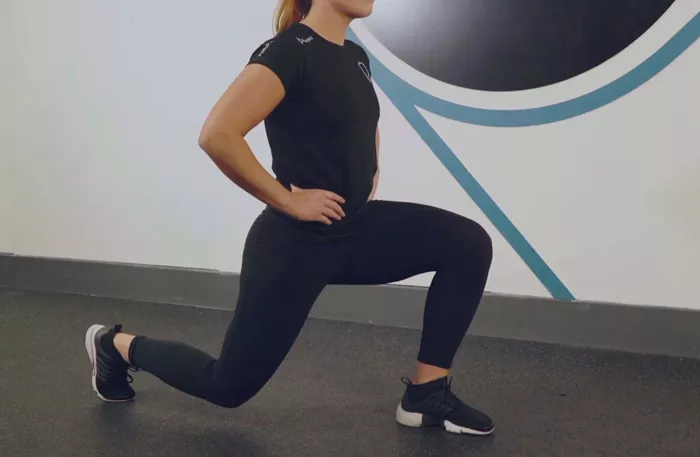
The Reverse Lunge with Twist
Maria Luque, Ph.D. and personal trainer to Halle Berry, recommends the reverse lunge with a twist as one of the most effective strength-training exercises for menopausal women. The movement: step back into a lunge while holding a dumbbell, then twist your torso toward the front leg. You can even perform it as a partner exercise—passing a weight as you twist for added intensity.
This compound move targets multiple muscle groups: glutes, quads, hamstrings, core, and obliques. Strengthening these areas raises calorie expenditure at rest, increases stability, and supports both metabolism and hormone balance.
Backed by Science: Resistance Training’s Broad Benefits
A randomised study by the University of Exeter monitored 72 women aged 40–60 using a 12-week resistance program (Pvolve), incorporating bands, ankle weights, and dumbbells. Findings included a 19 % increase in hip strength, 21 % gain in flexibility, 10 % boost in balance, and measurable increases in lean body mass.
Jennifer Aniston, who endorses Pvolve, praised its benefits for menopausal symptoms and muscle preservation.
As further reported by EatingWell, incorporating weight training—whether with dumbbells, bands, or bodyweight—can also reduce visceral fat and strengthen bones through bone remodeling.
A Guardian feature from April highlights that osteoporosis affects roughly 3.5 million people in the UK, with menopausal women at high risk. Weight-bearing and resistance exercises, along with a nutrient-dense diet, can significantly counteract bone loss.
Expert Guidelines & Daily Habits
Frequency: Aim for strength sessions at least twice weekly, with many professionals now suggesting three strength-building sessions per week, especially for postmenopausal bodies.
Intensity: Moderate to heavy loads—around 70–85 % of one-rep max—are often recommended for achieving hypertrophy and functional muscle gains. Post-menopause, higher training volumes (6–8 sets per muscle group) may be necessary.
Variety: Alongside lunges and twists, include core planks, rows, squats, push presses, and hip-strengthening exercises. Adding HIIT sessions and impact activities—like jumping or rope—supports cardiovascular health, bone density, and visceral fat reduction.
Holistic Support: Exercise combined with adequate protein intake (more than standard adult guidelines due to age-related anabolic resistance), calcium, vitamin D, and lifestyle elements—like sleep, stress management, and limiting alcohol—maximizes benefits.
Getting Started
Dumbbell selection: A 10 lb dumbbell is a great starting point. Increase weight gradually for progression.
Basic routine: Begin with the reverse lunge twist. Add 30-minute full-body sessions (including deadlifts, shoulder presses, bent-over rows, hip hinges, etc.) two to three times per week.
Balance & safety: Perform planks, single-leg balance drills, and mobility exercises to reduce risk of falls or joint injury.
Consistency: These workouts are sustainable at home or in the gym—and five-minute warm-ups and cooldowns make them easy to fit in.
Conclusion
Strength training is not just beneficial—it’s vital during perimenopause and menopause. It combats muscle and bone loss, raises metabolic rate, helps regulate weight, and supports balance and mental well-being. Starting with a reverse lunge with a twist, then layering in a variety of exercise types, helps women navigate this life stage with strength, confidence, and longevity.
READ MORE
