
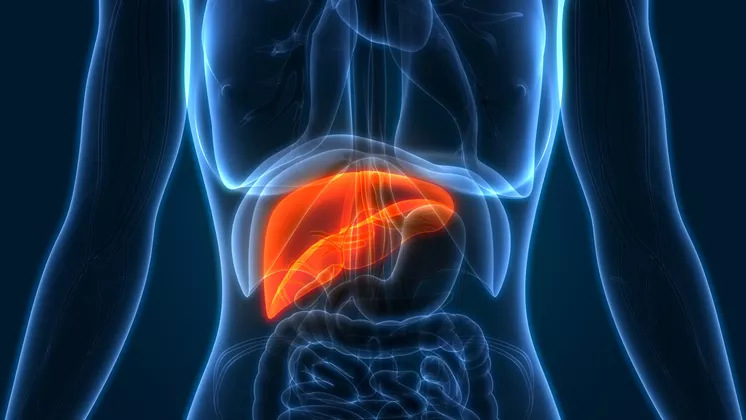
More than half of future liver cancer cases could be prevented if current risk factors are addressed, according to a new global analysis published Monday in The Lancet.
The study warns that global liver cancer cases could rise from 870,000 in 2022 to 1.52 million by 2050 — nearly doubling — unless stronger prevention efforts are made. Experts say vaccines, lifestyle changes, and early screening could significantly reduce this number.
The leading cause of liver cancer remains hepatitis B and C infections, which are either preventable through vaccination or treatable with medications. Hepatitis B was responsible for 39% of liver cancers in 2022, and that number is expected to slightly drop to 36.9% by 2050. Hepatitis C’s share is also projected to fall from 29.1% to 25.9%.
In contrast, cancers linked to alcohol use and obesity are rising. Alcohol caused 18.8% of liver cancers in 2022, a number expected to increase to 21.1% by 2050. Obesity-related liver cancer is projected to grow from 8% to 10.8% in the same period, due to higher rates of obesity, diabetes, and other metabolic conditions.
See also: 4 Science-Backed Drinks to Support Liver Health
Obesity-Linked Liver Disease on the Rise
One condition driving this trend is MASLD (metabolic dysfunction-associated steatotic liver disease), previously known as NAFLD or fatty liver disease. MASLD affects about 25% of U.S. adults. A more severe form, MASH (metabolic dysfunction-associated steatohepatitis), leads to liver scarring or cirrhosis and greatly increases the risk of cancer.
Dr. Hashem El-Serag, one of the study’s authors and chair of medicine at Baylor College of Medicine, noted that public perception often focuses on alcohol. “When people hear ‘cirrhosis,’ they think of heavy drinking,” he said. “But many don’t realize that fatty liver disease is also a major cause.”
Liver cancer is still uncommon in the U.S., making up only 2.1% of new cancer diagnoses expected in 2025. However, the report estimates that by 2040, over 55% of U.S. adults could have MASLD if current trends continue.
See also: 6 Evidence-Based Strategies to Reverse Fatty Liver Disease in men
Need for Better Screening and Awareness
Early diagnosis is key. MASLD and MASH often show no symptoms, making routine testing essential. El-Serag said the most effective treatment is weight loss, including through lifestyle changes or medications like Ozempic and Wegovy. A recent clinical trial found Wegovy helped treat MASH in nearly two-thirds of patients.
Despite this, unlike hepatitis, people aren’t regularly screened for MASLD. Dr. Arun Jesudian, a hepatologist at Weill Cornell Medicine, said patients are usually tested only if blood work shows high liver enzyme levels. He urged better screening for patients with metabolic syndrome — which includes high blood pressure, high blood sugar, and excess weight.
“We need to make sure doctors know how to check for fibrosis using blood tests,” Jesudian said. He added that raising awareness among patients and providers could improve early detection.
Dr. Neehar Parikh, a liver cancer specialist at the University of Michigan, warned that MASLD-linked cancer can sometimes develop without cirrhosis, making it harder to catch. “That’s the million-dollar question,” he said. “We don’t know how to screen that group.”
Still, these cases remain rare. Experts agree that treating chronic liver diseases early remains the best defense. “Liver cancer almost always happens because of long-term liver damage,” Jesudian said.
Related topics:
Nubeqa (Darolutamide) 2025: Prostate Cancer Guide
5 mg Olanzapine Improves Cancer Care with Fewer Side Effects and Costs
Rising Alcohol Use Among Women Linked to Surge in Liver Disease
